If you’re searching for fresh inspiration to elevate your living space, this guide to modern home design concepts is built to give you clarity, direction, and practical ideas you can actually use. Whether you’re redesigning a single room or rethinking your entire home, understanding the principles behind modern layouts, balanced color palettes, functional styling, and intentional décor choices can make all the difference.
Many homeowners struggle to translate inspiration into cohesive results. Trends change quickly, and without a clear framework, it’s easy to end up with a space that feels disconnected. This article breaks down today’s most effective modern design approaches, from clean architectural lines to thoughtfully layered textures, while offering practical setup tips to help you implement them with confidence.
Our insights are grounded in hands-on interior analysis, trend research, and real-world styling applications—so you can trust that the ideas shared here are not just visually appealing, but functional, achievable, and designed to stand the test of time.
Ever walk into your living room and feel like it’s fighting your life instead of fitting it Cords snake across floors rooms serve one rigid purpose and natural light somehow feels optional Meanwhile your work workouts and downtime all compete for the same cramped corners It’s frustrating—and outdated
That’s where modern home design concepts step in Instead of static layouts imagine sliding partitions adaptive lighting and multipurpose spaces that shift with your schedule In other words your home keeps up With smart tech and biophilic touches it becomes less box more ecosystem And you see that possibility settling feels impossible
Biophilic Architecture: Blurring the Lines Between Inside and Out
Biophilic architecture goes far beyond placing a fiddle-leaf fig in the corner (though we love a good plant moment). At its core, it integrates nature into a home’s structural DNA—designing spaces that measurably improve well-being. Research published in Environmental Health Perspectives shows that access to natural light and greenery can reduce stress and boost cognitive performance. In other words, this isn’t just aesthetic; it’s functional.
Take living walls and interior courtyards. When engineered as load-bearing vertical gardens, these installations don’t just look dramatic—they improve air quality and regulate humidity. Meanwhile, central atriums act as the home’s “green lungs,” encouraging airflow and creating a natural gathering point.
Equally important is material honesty. Rammed earth walls provide thermal mass for temperature stability, cork offers renewable insulation with acoustic benefits, and reclaimed timber introduces character with a lower carbon footprint. You’re not just seeing nature—you’re touching it.
Then there’s strategic daylighting. Light wells, solar tubes, and floor-to-ceiling glass corridors guide movement while reducing reliance on artificial lighting. Pro tip: Position glass corridors along garden-facing paths to create a gradual indoor-outdoor transition.
In today’s modern home design concepts, biophilic strategies aren’t extras—they’re essentials that elevate both experience and performance.
The Adaptive Home: Designing for a Lifetime of Change
A home today needs to behave less like a static structure and more like a Swiss Army knife. The need for flexibility isn’t a luxury—it’s survival. One day your spare room is a home office; the next, it’s hosting in-laws. Life shifts quickly (usually right after you’ve finally organized everything), and your space should pivot just as fast.
Think of movable architecture as stage scenery. Sliding partition walls glide like theater curtains, revealing or concealing rooms on cue. Retractable glass dividers preserve light while redefining boundaries. Modular furniture systems—sectionals on casters, fold-away desks—act like building blocks, snapping together in new formations as needs evolve.
Then there are flex spaces, the architectural equivalent of a blank canvas. These multi-functional zones aren’t labeled “office” or “playroom.” Instead, they’re designed with adaptable lighting, storage, and durable finishes so they can mature with your lifestyle. A toddler’s craft corner today becomes tomorrow’s media lounge.
Future-proofing your build is like planting seeds for rooms you haven’t grown yet. Pre-planned connection points for an in-law suite or structural allowances for a second-story addition make expansion smoother and more affordable later.
Some argue fixed layouts feel more stable. True—but adaptable homes mirror real life: dynamic, layered, and always unfolding.
Integrated Technology: The Truly Smart Home

I remember the first time I walked into a home that didn’t ask to be controlled. No “Hey, turn on the lights.” No app juggling. The space simply knew what to do. That experience reshaped how I think about modern home design concepts.
Beyond Voice Assistants
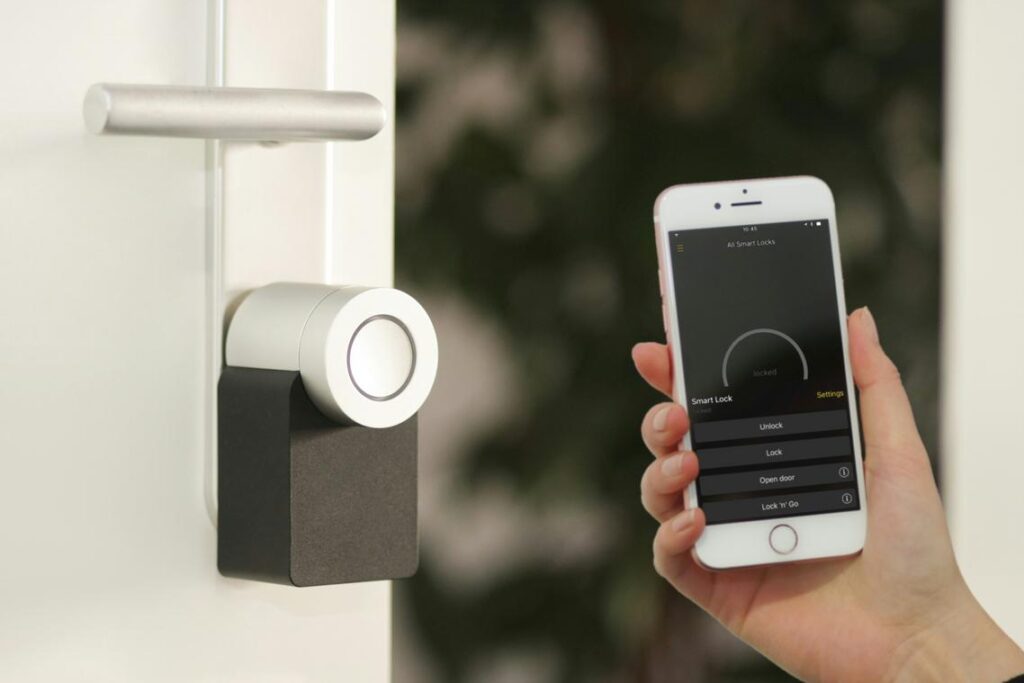
Voice assistants are helpful, sure. But constantly issuing commands can feel like managing a tiny digital staff (and not the efficient kind). The next wave of smart homes focuses on invisible automation—systems that quietly adjust lighting, temperature, and airflow based on your habits. It’s technology that anticipates instead of reacts.
Human-Centric Lighting
One standout feature is circadian rhythm lighting—systems that shift color temperature and brightness throughout the day to mirror natural sunlight patterns. In my own space, warmer tones in the evening noticeably improved my sleep within weeks. Circadian lighting supports melatonin production, which regulates sleep cycles (Sleep Foundation, 2023).
Resource Autonomy
Then there’s greywater recycling—reusing water from sinks and showers for landscaping. Paired with smart grids that optimize solar storage, homes waste less and save more. According to the U.S. Department of Energy, smart energy management can significantly reduce household consumption.
Seamless Integration
Finally, true integration hides in plain sight: speakers in drywall, charging pads beneath stone countertops, projection systems replacing bulky screens. If you’re exploring how to find interior inspiration from nature and architecture, this subtle approach ensures technology enhances design rather than overpowering it.
New Forms and Bold Expressions: The Shape of Modern Homes
Today’s bold residences aren’t just buildings—they’re statements. With Cantilevers and Floating Volumes, advanced steel reinforcement and post-tensioned concrete (a method that strengthens concrete using tensioned cables) allow upper floors to project outward without visible support. The result? Covered patios, shaded entries, and interiors that feel daringly open. If you’re building new, consider a modest cantilever over a terrace for both drama and function.
At the same time, A Softer Brutalism is reshaping perceptions. Raw, board-formed concrete and exposed steel no longer feel cold when paired with oak floors and expansive glazing. In fact, abundant daylight can reduce perceived heaviness in concrete spaces (Journal of Environmental Psychology, 2014). So, balance industrial edges with warm textures—think walnut cabinetry or linen drapery.
Meanwhile, Minimalism with Texture proves that ornament is optional. Instead of décor overload, rely on plaster walls, ribbed wood panels, and the play of shadow across surfaces (yes, sunlight becomes your co-designer).
Finally, Parametric Design uses algorithms to generate organic facades optimized for strength and airflow. While complex, you can start small—try parametric-inspired screens or railings.
| Feature | Why Choose It | Practical Tip |
|———-|—————|—————|
| Cantilever | Adds space + shade | Keep spans proportional |
| Soft Brutalism | Industrial yet warm | Layer natural light |
| Textured Minimalism | Visual depth | Mix 2–3 materials |
| Parametric Elements | Sculptural impact | Use as accents |
Incorporating these modern home design concepts thoughtfully ensures form and function evolve together.
Designing your future home starts with clarity. When we say the future of residential architecture is adaptive, nature-centric, and intelligently integrated, we mean spaces that adjust, connect to the outdoors, and use technology seamlessly. Adaptive means rooms that shift purpose; think sliding walls or modular furniture. Nature-centric refers to daylight, plants, and natural materials improving wellbeing. Intelligently integrated systems hide wiring and automate comfort. The real shift is from static containers to dynamic environments. Some argue this sounds expensive or trendy. Fair. But modern home design concepts can scale, from skylights to smart systems. Start listing what fits your life.
Bring Your Vision to Life with Confidence
You came here looking for clarity and inspiration around modern home design concepts—and now you have the direction, ideas, and practical guidance to move forward with confidence. From refined styling approaches to functional setup tips, you’ve seen how intentional choices can transform any space into something both beautiful and livable.
The truth is, creating a cohesive and inspiring home can feel overwhelming. Too many ideas. Too many trends. Not enough clear guidance. But when you focus on purposeful design, balanced layouts, and thoughtful decor themes, the process becomes exciting instead of stressful.
Now it’s time to take action. Start by selecting one space in your home and applying the concepts you’ve discovered. Build around a clear theme, refine your layout, and choose pieces that reflect your style while enhancing functionality.
If you’re ready to eliminate guesswork and create a home that truly feels like yours, explore more expert-backed insights and proven styling strategies today. Get inspired, take action, and transform your space with confidence.