
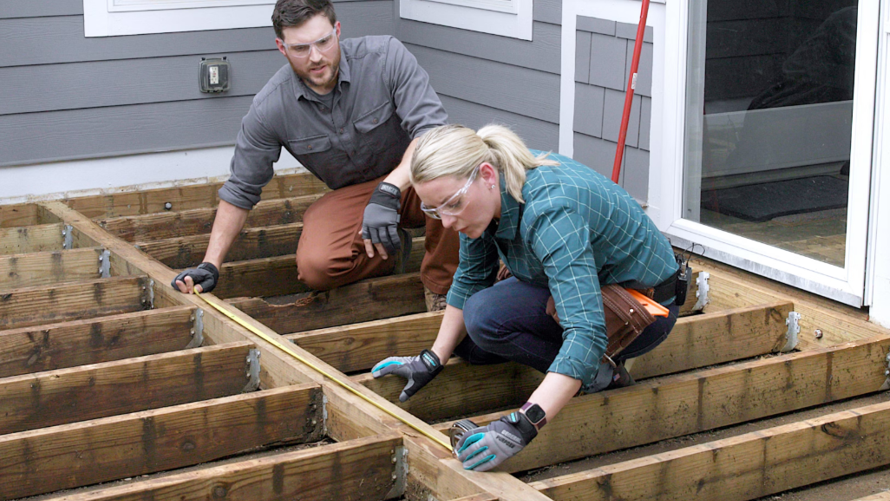
Most homeowners put off calling a deck contractor for longer than they should. Why? Because they simply don’t know what to expect. Will they feel pressured? Do they need a finished plan before the first meeting? It’s all a bit fuzzy. And that uncertainty makes people hesitant. The truth is, the initial consultation is a lot more than just someone showing up to take measurements.
When you’re building a deck, this first conversation sets the entire foundation for the project. Here’s exactly what goes down, step by step.
Before the Consultation: What to Prepare
You don’t need to walk in with blueprints, but a little prep goes a long way. Before the contractor arrives, spend some time gathering inspiration photos. Pinterest, Instagram, and even screenshots from home improvement sites work great. Think about how you actually want to use the space.
Here’s a quick list of things worth having ready before the meeting:
- A rough idea of your budget range (even a ballpark number helps).
- Photos or examples of deck styles you like.
- A list of features you want: outdoor dining area, hot tub hookup, lighting, and built-in seating.
- An approximate size of the outdoor area you’re working with.
- Knowledge of where your utility lines are located.
That last one catches a lot of people off guard. Knowing where gas lines, irrigation systems, or electrical conduits run under your yard can save time and prevent real problems during the design phase.
The First Contact: Scheduling and Initial Screening
Everything usually starts with a short phone call or an online inquiry form. This isn’t just you reaching out to a contractor. It’s both sides doing a quick compatibility check. The contractor will ask basic questions: How big is the space? Are you replacing an existing deck or starting from scratch? Do you have a timeline in mind? What’s your budget?
You don’t need all the answers right away. But being upfront about what you know (and what you don’t) helps the contractor figure out if they’re the right fit for your project. A good builder asks smart questions. One who rushes straight to booking a site visit without learning anything about your situation? That’s something to pay attention to.
This first touchpoint is short, maybe 10 to 15 minutes. But it filters out mismatches early and sets a productive tone for what comes next.
The On-Site Visit: What the Builder Is Actually Looking At
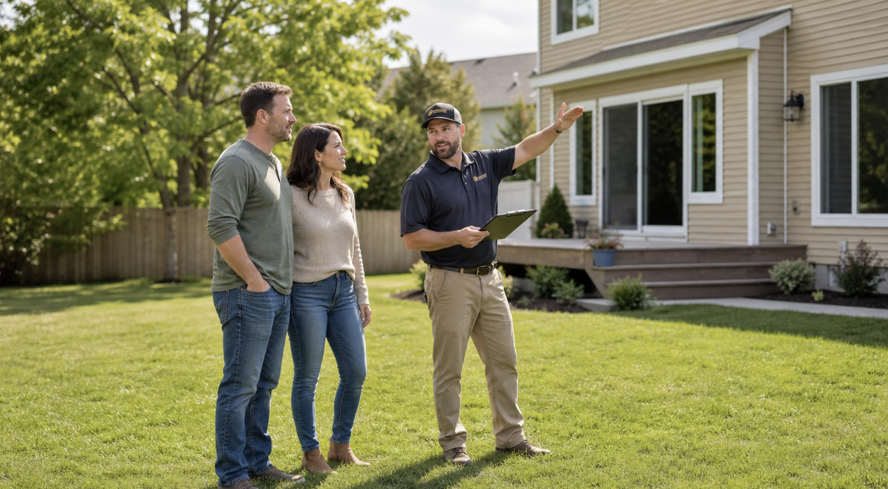
This is where things get real. The contractor shows up at your home, walks around your backyard, and starts analyzing the space with a trained eye.
What are they actually looking for? A lot more than you’d think:
- Slope and drainage. A yard with uneven ground requires different foundation solutions.
- Soil condition. Soft, sandy, or clay-heavy soil affects how footings are installed.
- Access points. Where are the back doors? How does the deck connect to the home’s structure?
- Roofline and siding. These affect ledger board placement and water management.
- Existing structures. Trees, fences, and utility meters all factor into the layout.
- Existing deck (if any). The contractor will assess if it can be salvaged or needs full removal.
They’ll take measurements, snap photos, and probably walk around more than once. A visit like this typically takes 30 minutes to an hour. If it feels rushed, that’s worth noting.
The Design Conversation: Turning Ideas Into a Plan
Once the site is assessed, the real creative work begins. The contractor will start asking about how you actually plan to use the deck. Is it for weekend entertaining? A quiet morning coffee spot? A space for the kids to play? All of that shapes the design.
This is also when material options come up. Most contractors will bring samples or show you a catalog. You’ll hear about:
| Material | Pros | Cons |
| Pressure-treated wood | Affordable, widely available | Requires regular maintenance |
| Composite decking | Low maintenance, durable | Higher upfront cost |
| PVC decking | Moisture-resistant, long lifespan | Can feel less “natural” underfoot |
Beyond materials, you’ll discuss board layout patterns, railing styles, stair placement, and lighting. Don’t feel overwhelmed. A good contractor guides you through these choices based on your budget, your yard’s conditions, and what makes practical sense. After the visit, many companies follow up with a 3D rendering so you can actually visualize the finished project before a single board is cut.
Budget and Timeline Discussion
Talking money feels awkward for a lot of homeowners, but it’s a completely normal part of the consultation. A professional contractor won’t flinch at the topic. In fact, a willingness to have an open, detailed budget conversation is a green flag.
Several factors affect the total cost:
- Deck size and shape
- Material selection
- Site complexity (slope, soil, access)
- Added features like pergolas, built-in seating, or outdoor lighting
- Permit and inspection fees
Timeline is part of this conversation, too. Permits can take anywhere from a few days to a few weeks, depending on your municipality. Material lead times vary by season. A quality contractor gives you a realistic schedule, not an optimistic one designed to win your signature.
Permits and HOA: What Gets Flagged Early
A serious contractor brings up permits at the consultation, not after you’ve already signed. Building a deck without the required permits is a headache that can cost you more than the project itself if you ever go to sell the home.
Beyond city or county permits, your HOA (if applicable) may have its own set of rules. Some HOAs regulate deck color, material type, and even height restrictions. Getting these details sorted at the consultation stage prevents ugly surprises mid-build and keeps the project on schedule.
Red Flags to Watch for During the Consultation
Not every consultation is a good one. Here are signs that should give you pause:
- The contractor sends a quote without visiting your property in person
- They show no interest in how you plan to use the deck
- They offer a single lump-sum estimate with no breakdown
- Permits and building codes never come up
- They push hard for a same-day decision or a deposit before you’ve had time to think
A consultation is a conversation, not a sales close. Any contractor who makes you feel rushed or pressured isn’t one you want managing a major home improvement project.
After the Consultation: What Comes Next
Within 24 to 72 hours of the visit, you should receive a written quote. A solid proposal breaks things down clearly: materials, labor, permits, demolition (if any). One number with no itemization is a red flag, plain and simple.
Some contractors also send over sketches or 3D renderings at this stage. Review everything carefully. If something is unclear, ask. Once you’re satisfied, the process moves to contract review, any final design adjustments, and then a confirmed start date.
One practical tip: get quotes from at least two or three contractors before making a decision. Not just for price comparison, but to see how each one communicates, how detailed their proposals are, and how comfortable you feel working with them.
Take the First Step
The initial consultation is the most important meeting in the entire deck project. It’s where your ideas start becoming a real plan. Homeowners who come prepared, ask the right questions, and pay attention during this stage end up with smoother projects and better results. If you’re ready to get started, reach out to a local deck professional and schedule your first consultation today.
 Helen Rogersofers is a leading expert in functional home optimization and contemporary decor themes. She specializes in translating high-level design theory into practical, accessible setup strategies that maximize the potential of any floor plan. Through her insightful breakdowns and focus on material textures, Helen empowers individuals to refine their surroundings with confidence, making sophisticated design achievable for the everyday enthusiast.