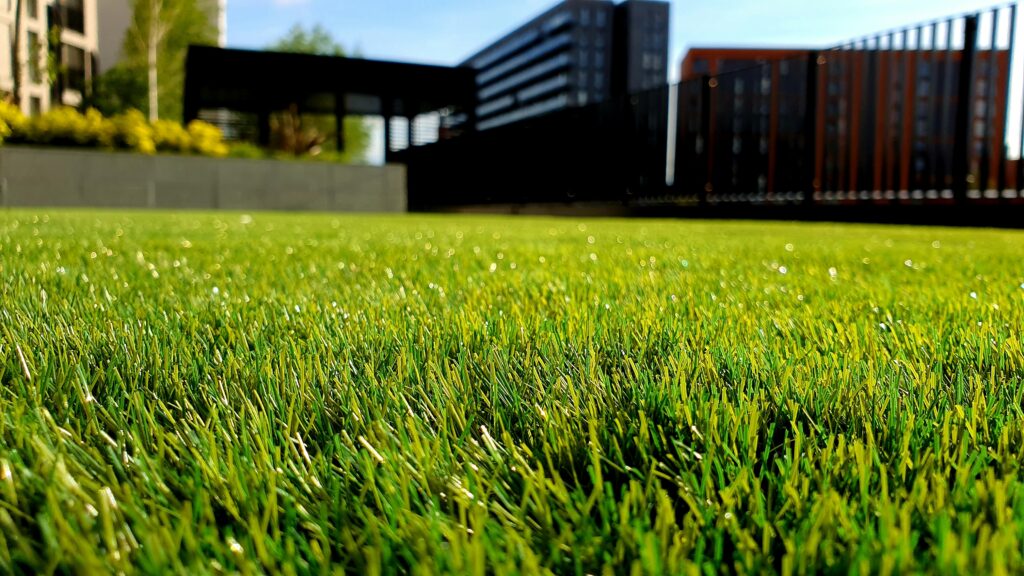
A front yard works harder than any other part of a property. It sets the first impression, takes the brunt of sun and rain, and gets noticed every time a neighbor walks by. That is why a patchy, muddy, or constantly mown lawn bothers people more than a similar backyard would. If you are tired of the upkeep, synthetic turf is worth a serious look, as long as you weigh it honestly.
What a Front Lawn Has to Deal With
Real grass needs regular water, mowing, feeding, and weed control to look its best. Shade under trees, compacted soil, and heavy foot traffic from deliveries and visitors make that harder. In areas with clay soil, a few rainy weeks can leave low spots soggy and bare. Artificial turf removes most of those chores, but it swaps them for a different set of decisions about materials, drainage, and installation.
Where Turf Tends to Work Well
Turf is often a good match for:
- Small or awkward front yards that are hard to mow
- Shaded areas where grass keeps thinning out
- Homes with dogs, where mud and worn patches build up fast
- Households that want a green yard through hot, dry summers
- Properties where watering restrictions or costs are a concern
It is also worth checking your neighborhood rules. Some homeowner associations have standards for appearance, color, and materials, so ask before you commit.
Installation Matters More Than the Turf
Two yards covered with the same product can look and perform very differently. The surface only works as well as what sits beneath it. A proper installation removes the old topsoil, builds a compacted stone base, and slopes the area so water drains away. Skipping that step is how people end up with ripples, standing water, or seams that lift.
Homeowners in Middle Tennessee can see how Turft approaches artificial grass for front yards, including the drainage base it builds for the region’s heavy clay soil and the pet-friendly and cooling options it offers for hot weather. Whichever company you consider, compare the installation method as closely as the turf itself, and ask to see finished projects.
When Turf Is Not the Right Fit
Synthetic turf is not a cure for every yard. A steep slope with active erosion, or a property that floods during storms, usually needs grading or retaining walls first. Laying turf over an unresolved drainage problem only hides it for a while. A good installer will tell you this at the first visit instead of selling you something that will fail.
You should also be honest about your priorities. Some people prefer the feel, scent, and ecological value of living grass, and a mixed approach can work, such as turf for the high-traffic strip and plantings elsewhere.
Questions to Ask Before You Sign
- What does the base layer consist of, and how deep is it?
- How will water drain, and what happens during heavy rain?
- Which materials are used for the infill, especially if pets use the yard?
- How does the turf handle direct summer sun?
- What warranty comes with the product and the installation?
Keeping It Looking Good
Turf is low maintenance, not no maintenance. Brush it occasionally, rinse off dust and pet waste, and clear leaves so debris does not build up. A quick yearly check of seams and edges catches small problems early.
A front yard is a long-term decision. Take your time, compare more than one quote, and choose the approach that fits your property, your budget, and the way your household actually uses the space.
 Jack M., the founder of Ththom Ideas, is a dedicated visionary focused on transforming living spaces through thoughtful interior styling and Thom-inspired decor. By combining expert technical insights with practical, everyday setup tips, he empowers others to create homes that are both sophisticated and deeply functional. Under his guidance, the platform has become a go-to resource for modern home inspiration and masterful design concepts.