What truly separates an expensive house from an extraordinary one? This guide moves beyond showroom aesthetics to uncover the principles that define a genuinely refined living experience. Many high-priced homes feel like a collection of trends rather than a cohesive sanctuary. True sophistication lies in harmony—where materials, technology, and comfort work seamlessly together to enhance daily life. Here, we break down the essential luxury home design elements that transform spaces into deeply personal retreats. You’ll gain clear, actionable insights to help you design or renovate with intention, creating a home that feels curated, timeless, and effortlessly elevated.
Invisible Intelligence: The Art of Seamless Smart Home Integration
Back in 2019, voice assistants felt revolutionary. You could dim the lights by speaking into the air (very sci‑fi, very “Star Trek”). Yet after three months of living with scattered gadgets, many homeowners noticed something: convenience started to feel cluttered.
That’s the difference between consumer-grade devices and centralized systems like Savant or Control4. The former rely on individual apps and Wi‑Fi connections. The latter operate as integrated ecosystems—meaning lighting, climate, security, and media communicate through one unified brain. Some argue standalone gadgets are cheaper and “good enough.” Fair point. But when devices fail to sync or require constant updates, friction quietly builds.
Consider automated ambiance. Circadian rhythm lighting—systems that adjust color temperature based on time of day—supports healthier sleep cycles (Harvard Medical School has published research linking blue light exposure to circadian disruption). Motorized shades can track the sun’s position in real time, reducing heat gain and glare without manual effort.
Then there are hidden audio-visuals: in-ceiling speakers for whole-home sound, retractable projectors, displays concealed behind paneling. These details preserve clean lines and complement luxury home design elements.
Ultimately, the highest-end feature is invisibility. Technology should dissolve into the background—felt, not seen—simplifying life instead of complicating it.
A Symphony of Surfaces: Material Choices That Define a Space
Great design isn’t just seen—it’s felt. And nothing shapes that experience more than the surfaces under your hands and feet.
Countertops & Slabs
Standard granite had its moment. Today, large-format porcelain slabs (often available in panels up to 10 feet long) offer minimal seams, superior stain resistance, and striking bookmatched patterns. Quartzite—frequently confused with quartz—is a natural stone formed from sandstone under heat and pressure, making it harder than granite and ideal for high-traffic kitchens. Then there’s honed marble, whose matte finish softens light and disguises etching better than polished surfaces (yes, marble can etch—chemistry doesn’t play favorites). Used for backsplashes or waterfall islands, it delivers sculptural continuity.
Critics argue these materials are indulgent. But durability ratings, heat resistance, and low-porosity finishes directly reduce long-term maintenance costs.
Flooring Foundations
- Wide-plank European white oak (often 7–10 inches wide) enhances visual scale and showcases natural grain variation.
- Heated limestone or travertine floors pair thermal mass with underfloor systems, distributing warmth evenly and efficiently.
Some say wood is impractical in busy homes. Yet engineered oak with stable cores resists warping—function meeting beauty.
Walls with Character
Venetian plaster adds mineral depth through layered application and burnishing. Custom millwork introduces architectural rhythm. Grasscloth and silk wallcoverings deliver tactile richness (and yes, they require precise humidity control).
In true luxury home design elements, the finish matters as much as the material. Precision miters, seamless joins, and hand-applied textures separate average installs from enduring artistry.
Illuminating Design: Mastering the Art of Layered Lighting
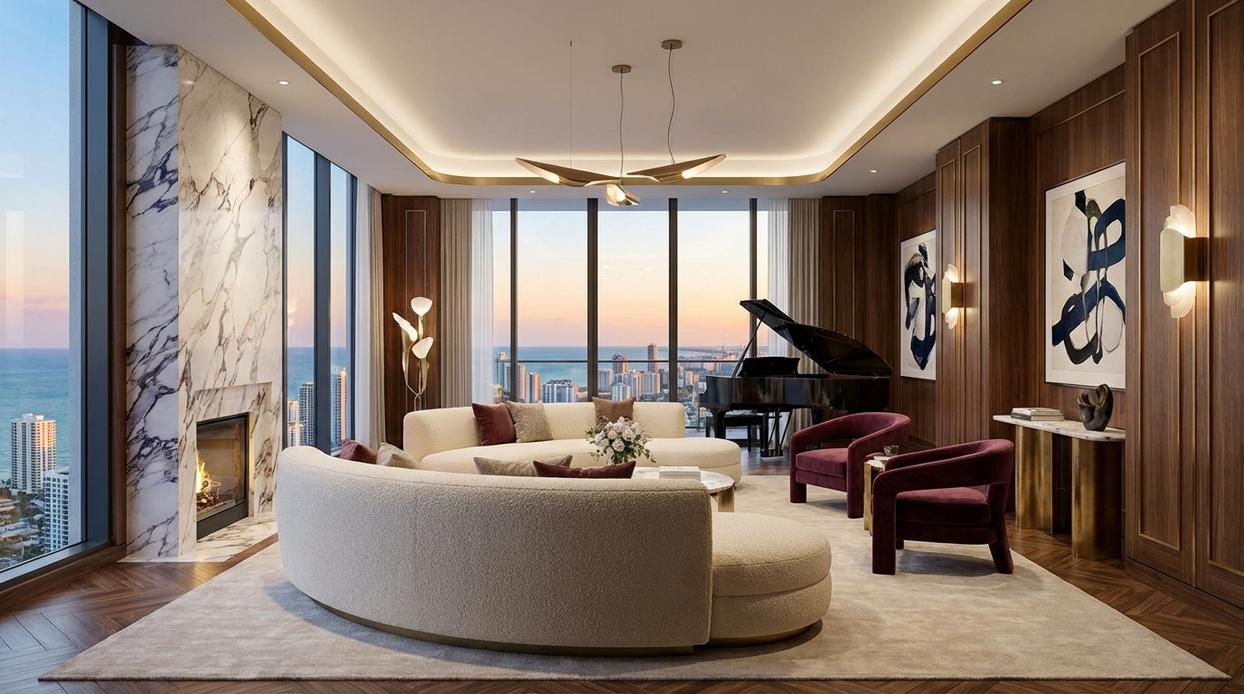
Layered lighting sounds technical, but it’s simply the practice of using multiple light sources at different levels to shape how a room looks and feels. Think of it like building an outfit: base layer, functional pieces, and a statement accessory.
First, Ambient lighting is your overall illumination. It’s the general glow that lets you move comfortably through a space. Next, Task lighting focuses on specific activities—reading lamps, under-cabinet kitchen lights, or vanity fixtures. Finally, Accent lighting highlights architectural details or artwork, adding depth and contrast.
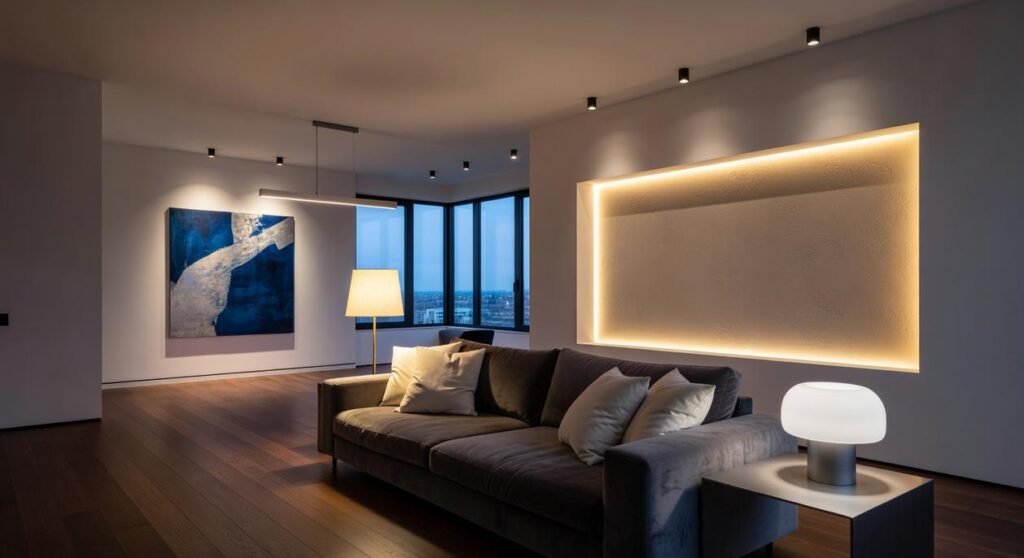
Now, architectural lighting refines this concept. Trimless recessed lighting blends seamlessly into ceilings (no visible rims), while cove lighting tucks hidden strips into ledges for a soft halo effect. Strategically placed uplighting adds drama by casting light upward, elongating walls and columns.
Some argue a room can rely solely on a dramatic chandelier. While a statement fixture—like a sculptural chandelier or artisanal pendant—anchors the design, it cannot replace layered functionality.
Equally important is control. Systems like Lutron allow you to create “scenes” such as entertain, relax, or cook. In modern homes, that flexibility is a non-negotiable luxury feature.
Interestingly, light interacts deeply with color—something explored in color psychology in home design how shades influence mood. Together, these luxury home design elements transform atmosphere with intention.
Personal Sanctuaries: Designing for Wellness and Rejuvenation
A spa-inspired bathroom can feel like a five-star retreat—or just a nicer version of what you already have. The difference comes down to intention. A basic remodel swaps fixtures; a true retreat layers experience: steam shower with aromatherapy and chromatherapy versus a standard glass enclosure, a sculptural soaking tub versus a built-in alcove, heated floors versus cold tile at 6 a.m. (your future self will notice).
Dedicated wellness zones follow the same A vs. B logic:
- Multi-use spare room vs. home gym with integrated smart equipment
- Quiet corner with a cushion vs. meditation room with enhanced acoustics
One is convenient. The other is transformative.
Biophilic design—bringing natural elements indoors—pushes it further. Oversized windows and seamless transitions to outdoor living spaces with fireplaces and kitchens outperform small sliders and token plants. Studies show nature exposure reduces stress and improves mood (American Psychological Association). Pro tip: prioritize sightlines to greenery before adding decor.
Your Blueprint for a Bespoke Living Experience
True luxury has never been about excess—it’s about intention. When luxury home design elements are thoughtfully integrated to reflect your routines, passions, and priorities, your space becomes more than beautiful; it becomes deeply personal. If you’ve ever worried about creating a home that feels staged or impersonal, the solution lies in aligning technology, materials, and wellness features into one cohesive vision. Now is the time to evaluate your space with purpose. Start refining your plan today and transform your home into a seamless, functional sanctuary designed entirely around you.
 Virginia Warreneztira is a visionary designer and consultant known for her ability to synthesize complex aesthetic concepts into cohesive, livable environments. With an eye for bespoke interior styling and structural harmony, she focuses on creating spaces that balance architectural integrity with modern warmth. Her work often emphasizes the intersection of durability and elegance, providing homeowners with tailored frameworks that evolve alongside their personal lifestyles.