

If you’re searching for fresh ways to transform your living space, you’re likely looking for more than quick decorating tips — you want clear, actionable interior inspiration ideas that actually work in real homes. Whether you’re redesigning a single room or rethinking your entire layout, the right concepts can help you create a space that feels cohesive, functional, and uniquely yours.
This article delivers carefully curated interior inspiration ideas rooted in practical design principles, modern styling approaches, and timeless decor themes. We break down not just what looks good, but why it works — from layout balance and color harmony to smart setup strategies that elevate everyday living.
Our insights are built on in-depth analysis of current home trends, proven styling methods, and expert-backed design fundamentals. You’ll find inspiration you can confidently apply, along with thoughtful explanations to help you make design decisions that truly enhance your space.
The Unseen Foundation: Mastering Space, Light, and Color
The Rule of Flow
Great rooms feel effortless. That’s the Rule of Flow—arranging furniture to create intuitive pathways and functional zones. Think of it like blocking in a movie scene: when actors move naturally, the story works. When your sofa blocks the walkway, the plot falls apart. Define areas for conversation, work, or rest without forcing people to zigzag around obstacles. (If guests have to sidestep a coffee table like it’s a laser maze, it’s time to rethink it.) Open layouts especially benefit from subtle anchors like rugs or shelving to signal purpose.
Harnessing Light
Lighting works best in layers:
- Ambient: overall illumination (ceiling fixtures, recessed lights)
- Task: focused light for reading or cooking
- Accent: decorative highlights for art or textures
This trio creates mood and function—like shifting from harsh office fluorescents to the cozy glow of a Friends apartment scene. Pro tip: Install dimmers to instantly adjust atmosphere.
The Psychology of Color
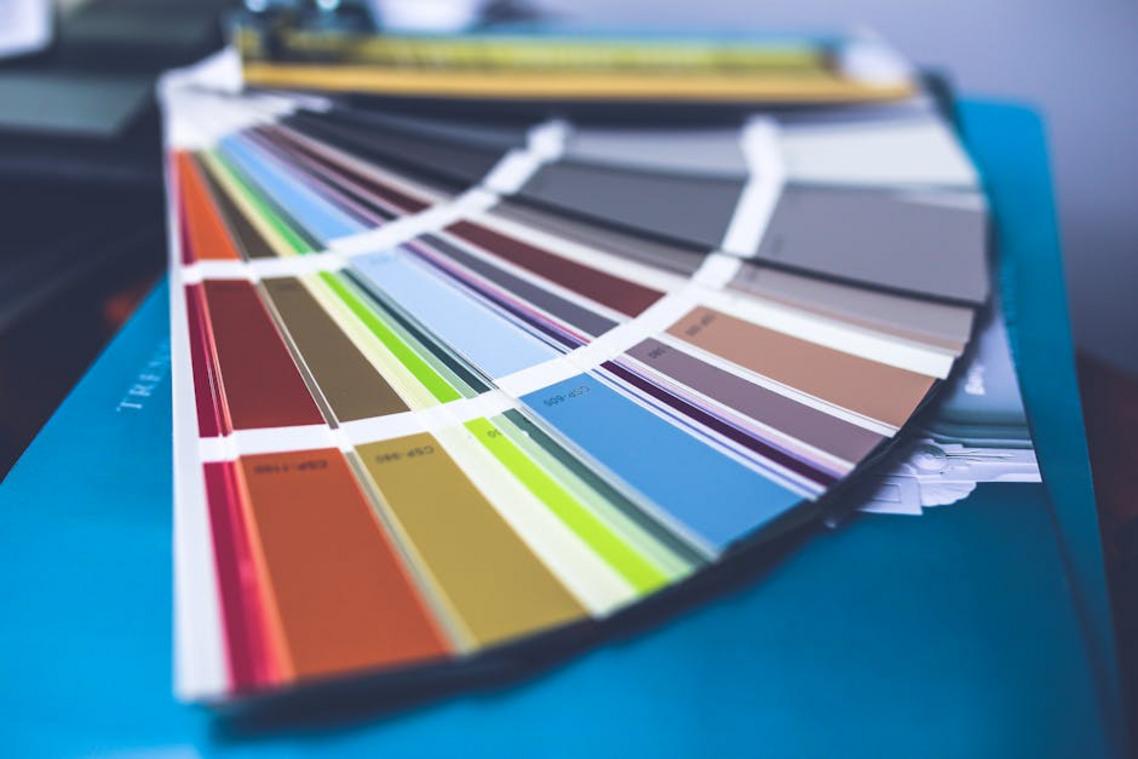
The 60-30-10 rule balances a palette: 60% dominant color, 30% secondary, 10% accent. Warm tones energize, cool hues calm, neutrals ground. Use interior inspiration ideas to test combinations before committing. (Yes, paint samples are your rehearsal before opening night.)
Finding Your Style: Three Core Concepts to Inspire You
Choosing a design style can feel like standing at a crossroads: sleek simplicity, nature-filled calm, or bold personality? Let’s break down three distinct approaches side-by-side so you can see what truly fits.
1. Modern Minimalism: Calm Through Clarity
Modern Minimalism centers on clean lines, uncluttered surfaces, and a neutral color palette. Think white walls, streamlined sofas, and furniture that earns its place. The philosophy is simple: quality over quantity. Instead of filling a room with décor, you invest in one solid oak table or a perfectly tailored sofa.
Supporters say minimalism reduces stress—and research backs that up. A UCLA study on household clutter found a link between clutter and elevated cortisol levels (UCLA Center on Everyday Lives and Families). Critics argue it can feel cold or impersonal. Fair point. But minimalism doesn’t have to mean sterile; texture (like linen or wool) adds warmth without chaos.
If you’re debating extremes, explore minimalist vs maximalist homes which concept fits your lifestyle for a deeper comparison.
2. Biophilic Design: Bringing Nature In
Biophilic design emphasizes natural materials—wood, stone, clay—plus abundant plants and natural light. (Yes, your fiddle-leaf fig can finally shine.) Studies in environmental psychology suggest exposure to natural elements improves mood and focus (Journal of Environmental Psychology).
Start simple: introduce three different houseplants—one tall, one trailing, one compact—for layered texture. Compared to minimalism’s restraint, biophilic spaces feel alive and grounding.
3. Eclectic Charm: Personality With a Plan
Eclectic style mixes eras, colors, and textures—but with intention. The secret is a common thread, like a repeating navy accent or brass finish, to unify contrast. Without that thread, it risks looking accidental (think thrift store explosion).
Create a mood board before buying. Testing combinations visually prevents regret later.
Ultimately, your best style balances aesthetics with how you live. Use these interior inspiration ideas as a starting point—and let your space reflect you.
The Finishing Touches: How to Accessorize Like a Stylist
The Power of Textiles
First, never underestimate fabric. Rugs, curtains, and throw pillows don’t just “decorate” a room—they regulate acoustics, soften hard lines, and visually warm up a space. In fact, the National Association of Realtors notes that well-staged homes (often layered with textiles) can sell for 1–5% more than unstaged homes. That’s not fluff—that’s data.
To mix patterns effectively, vary scale: pair a large-scale floral with a tight stripe or subtle geometric. Keep at least one unifying color throughout. (If everything is shouting, nothing gets heard.) As a rule of thumb, stick to three patterns max for balance.
Curating Your Surfaces
Next, style surfaces with a simple formula: vary height, mix materials, add something personal. For example, stack two books, top with a ceramic object, and place a small plant beside it. Designers often rely on the “rule of three,” a principle rooted in visual psychology—groupings of three feel more dynamic and complete.
Pro tip: incorporate one unexpected texture, like stone or woven fiber, to avoid a showroom look.
Making Walls Talk
Finally, walls deserve intention. A gallery wall works best when anchored by a large central piece. Meanwhile, mirrors can reflect up to twice the light in small rooms, according to lighting studies—essentially doubling perceived brightness.
Use interior inspiration ideas to guide cohesion, but let personality lead. After all, a home without character is just a catalog page.
Every room needs a focal point. Without one, furniture floats aimlessly. Choose a fireplace, bold artwork, or a statement sofa, then angle seating toward it. This creates flow and clarity.
GET THE SCALE RIGHT. Rugs should extend under at least the front legs of your sofa and chairs. Art should cover about two-thirds of the wall above a console.
Try:
- Anchor layouts around one clear centerpiece
- Size rugs larger than you think
- Hang art at eye level
Finally, edit ruthlessly. If a chair or table adds clutter, remove it. interior inspiration ideas prove less is more often.
Bring Your Vision to Life with Confidence
You came here looking for clarity, creativity, and direction—and now you have a clear path forward. With these interior inspiration ideas, you’re no longer stuck staring at empty rooms, mismatched decor, or spaces that don’t reflect your personality. Instead, you have practical concepts, styling approaches, and smart setup strategies you can actually use.
The frustration of wanting a beautiful, cohesive space but not knowing where to start can feel overwhelming. The good news? You don’t need a complete overhaul or a massive budget to transform your home. With the right inspiration and focused design choices, every room can feel intentional, balanced, and uniquely yours.
Now it’s time to take action. Choose one room, apply one concept, and start small—but start today. If you want even more curated guidance and proven styling strategies, explore our expert-backed resources trusted by thousands of decor enthusiasts who rely on us for practical, results-driven ideas. Don’t let uncertainty hold your space back—discover your next design move now and turn inspiration into reality.
 Virginia Warreneztira is a visionary designer and consultant known for her ability to synthesize complex aesthetic concepts into cohesive, livable environments. With an eye for bespoke interior styling and structural harmony, she focuses on creating spaces that balance architectural integrity with modern warmth. Her work often emphasizes the intersection of durability and elegance, providing homeowners with tailored frameworks that evolve alongside their personal lifestyles.