
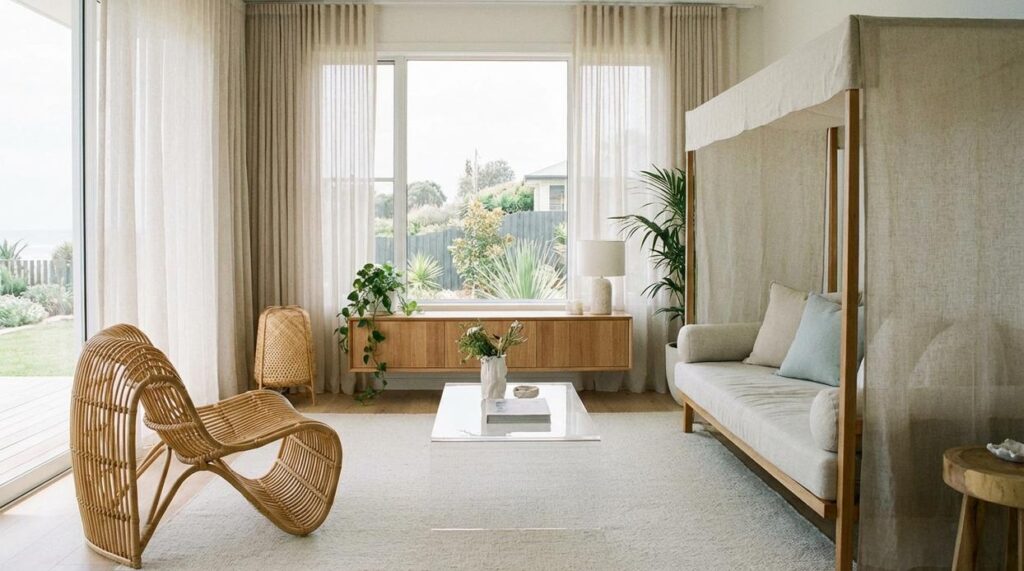
If you’re searching for ways to create a calm, clutter-free space that still feels warm and intentional, this guide to minimalist home concepts is designed for you. Many homeowners love the idea of minimalism but struggle to balance simplicity with personality and function. That’s where thoughtful planning and expert-backed design principles make all the difference.
In this article, you’ll discover practical styling approaches, smart layout ideas, and realistic setup tips that help you simplify without sacrificing comfort. We break down what truly defines minimalist design, how to choose the right color palettes and materials, and how to curate decor that enhances rather than overwhelms your space.
Our insights are grounded in proven interior styling methods, current home design trends, and expert analysis of what works in real living environments. By the end, you’ll have a clear roadmap to transform your home into a refined, breathable space that feels both modern and deeply personal.
Feeling overwhelmed by clutter and mismatched decor is more common than you think. In fact, a UCLA study found that excess household items raise stress hormones, especially for women. Meanwhile, the National Association of Professional Organizers reports that 54% of Americans feel overwhelmed by clutter. So, what’s the solution? This guide offers a clear, actionable framework for simplifying your space without stripping away personality. By applying minimalist home concepts strategically, you reduce visual noise, streamline maintenance, and create a calmer, more intentional sanctuary. Most importantly, you’ll find practical steps to start transforming your home today. Small changes deliver lasting impact.
The Foundation: Edit Your Space with Purpose
Decluttering with intention is different from simply tidying up. Tidying hides the mess (we’ve all shoved random items into a drawer five minutes before guests arrive). Intentional editing asks a harder question: Why is this here at all?
Instead of organizing everything you own, filter each item through three questions:
- Is it useful?
- Do I truly love it?
- Does it fit the vision for this room?
If an object fails all three, it may be contributing to what designers call visual noise—the subtle stress created when too many items compete for your attention. Visual noise makes a room feel smaller and more chaotic, even if it’s technically clean. Reducing objects, spacing furniture thoughtfully, and embracing minimalist home concepts can instantly create a calmer atmosphere.
I’ll admit, there’s debate around how minimal is “enough.” Some people thrive in maximalist spaces filled with memories and color. And honestly, there’s no universal formula. The goal isn’t emptiness; it’s alignment.
Actionable Tip: The One-In, One-Out Rule
For every new item you bring home, one existing item must go. (Pro tip: keep a donation box in a closet so this becomes automatic.)
To avoid overwhelm, start small:
- A single bookshelf
- A coffee table
- One kitchen drawer
Small wins build momentum. And momentum turns editing into a lifestyle, not a weekend project.
Unify Your Vision with a Cohesive Color Palette
A limited color palette is one of the fastest ways to create a serene, pulled-together home. A color palette simply means the group of colors you intentionally repeat throughout a space. When too many hues compete for attention, a room feels chaotic (even if everything is expensive). Fewer colors create visual calm because the eye knows where to rest.
A simple framework designers rely on is the 60-30-10 rule:
- 60% dominant color – usually a neutral on walls
- 30% secondary color – furniture, rugs, or curtains
- 10% accent color – pillows, art, or décor
Think of it like an outfit: most of it is your base, some adds structure, and a little provides personality. Some argue rules like this are restrictive. But in reality, structure creates freedom—you can experiment within clear boundaries without overwhelming the room.
If choosing colors feels intimidating, start with simplified palettes:
- Monochromatic: different shades of one color (like soft sage to deep olive)
- Analogous: colors next to each other on the color wheel, such as blue and teal
- Neutral base plus one or two accents for a clean look aligned with minimalist home concepts
Expert Breakdown: Natural materials—wood, linen, stone—act as visual neutrals. Even if wood is warm or stone is gray, their organic texture adds depth without complicating the scheme. (Nature rarely clashes with itself.) By repeating tones and textures thoughtfully, your space feels intentional, not accidental.
Streamline Your Layout: Furniture That Breathes

A well-designed room isn’t about filling every corner. It’s about what you don’t fill. Designers call this negative space—the intentional empty areas around furniture that allow a room to feel open, calm, and breathable. Think of it like the pause between notes in music (without it, everything is just noise).
Choose Pieces That Do More
If you want simplicity, start by reducing the number of items in the room. I recommend multi-functional furniture: a storage ottoman that doubles as a coffee table, or a slim console that works as a desk. Fewer pieces mean fewer visual interruptions. That’s the core of minimalist home concepts—intentional function over excess.
Also, prioritize clean lines and simple silhouettes. Avoid bulky, over-ornate designs that visually “shout” for attention. Instead, look for streamlined frames and neutral finishes.
- KEEP IT EDITED
Here’s a practical setup tip most people overlook: pull furniture slightly away from the walls. It sounds counterintuitive, but floating a sofa or chairs inward creates intimacy and depth, often making the room feel larger.
For broader inspiration, explore global interior inspirations styles from around the world.
When in doubt, remove one piece. If the room feels lighter, you’re on the right track.
Curate, Don’t Just Decorate
First, shift your mindset from decorating to curating. Curating means intentionally selecting a few meaningful pieces rather than filling every surface. Think of it like editing a playlist—you keep the hits, skip the noise (Marie Kondo would approve).
You might argue that more decor makes a space feel cozy. Sometimes it does. However, too many items compete for attention, creating visual clutter instead of comfort. That’s where the Rule of Three comes in: grouping objects in odd numbers—especially three—feels balanced and natural. For example, pair a candle, a small plant, and a framed photo for an effortless vignette.
Next, prioritize texture over pattern. A chunky knit throw, a linen pillow, and a ceramic vase add depth without chaos—key in minimalist home concepts.
Finally, create a “decor closet.” Rotate pieces seasonally to refresh your space without overspending. Pro tip: if you forgot you owned it, it’s probably not essential.
Your Home, Reimagined and Simplified
Overwhelm doesn’t come from your square footage; it comes from excess. Studies show cluttered spaces raise cortisol levels, increasing stress (UCLA Center on Everyday Lives). When every surface competes for attention, your mind does too.
Simplicity works because it’s intentional. By editing possessions, unifying color palettes, streamlining furniture, and curating decor, you create rooms that support real life—not just storage.
Research in Environmental Psychology links organized, cohesive spaces with improved focus and mood. That’s the power behind minimalist home concepts.
- Choose one room.
- Remove five unnecessary items.
- Keep only what serves function or joy.
Start week. Small edits create calm.
Bring Your Vision to Life with Minimalist Precision
You came here looking for clarity, inspiration, and practical direction for creating a space that feels intentional and refined. Now you have a stronger understanding of how minimalist home concepts can transform cluttered, overwhelming rooms into calm, functional environments that truly reflect your lifestyle.
The real challenge isn’t knowing that minimalism works — it’s knowing how to apply it without your home feeling empty, cold, or impractical. That frustration of “almost getting it right” can keep you stuck between chaos and comfort. With the right styling approach, thoughtful decor choices, and strategic setup tips, you can create a space that feels balanced, personal, and effortlessly cohesive.
Start by choosing one room. Simplify the layout, refine your color palette, and remove anything that doesn’t serve a purpose or spark alignment with your vision. Small, intentional shifts lead to powerful transformations.
If you’re ready to stop second-guessing your design choices and finally create a home that feels calm, elevated, and complete, now is the time to take action. Explore our expert-backed insights and proven styling breakdowns — trusted by readers who want clarity without compromise — and begin designing a space that truly works for you.
 Vorric Dolthane, the founder of Ththom Ideas, is a dedicated visionary focused on transforming living spaces through thoughtful interior styling and Thom-inspired decor. By combining expert technical insights with practical, everyday setup tips, he empowers others to create homes that are both sophisticated and deeply functional. Under his guidance, the platform has become a go-to resource for modern home inspiration and masterful design concepts.