Ready to transform your space into something that truly reflects who you are? This guide is your passport to the world’s most captivating global interior design styles, from the serene minimalism of Japan to the vibrant warmth of Morocco. If you’re tired of cookie-cutter templates and uninspired rooms, you’re not alone. We break down the core principles, color palettes, textures, and cultural influences behind each style—so you can confidently design a home that feels both personal and worldly. Drawing on expert design insights and in-depth style analysis, this article delivers practical inspiration and clear direction for your next home project.
Scandinavian Simplicity: The Art of ‘Hygge’
Hygge (pronounced “hoo-gah”) is a Danish concept centered on coziness, presence, and shared comfort, while Lagom is Swedish for “just enough”—not excess, not scarcity, but balance. Together, they shape one of the most enduring global interior design styles. In fact, Denmark consistently ranks among the world’s happiest countries (World Happiness Report, 2023), often attributed to lifestyle principles rooted in hygge.
Key elements include:
- Light woods like ash, pine, and beech
- Uncluttered layouts with multi-functional furniture
- Abundant natural light
Research shows exposure to natural light improves mood and productivity (Harvard Health, 2022), which explains the preference for sheer curtains over heavy drapery. The palette leans on whites, grays, and muted blues or greens, with black as a crisp accent (think minimalist contrast, not moody cave).
Textures matter. Wool throws, linen upholstery, and sheepskin layers create tactile warmth without visual heaviness. Critics argue minimalism feels cold—but when softness meets simplicity, the result is inviting, not stark.
Japanese Zen: Embracing Wabi-Sabi Imperfection
Japanese Zen design centers on Wabi-Sabi, the philosophy of finding beauty in imperfection and impermanence. Instead of chasing flawless finishes, it values weathered wood, uneven pottery, and quiet simplicity. Some critics argue this style feels too sparse or even unfinished. But that “emptiness” is intentional. It’s called negative space—the deliberate use of emptiness to create calm and clarity (a concept widely referenced in Japanese aesthetics studies, see Koren, Wabi-Sabi for Artists, Designers, Poets & Philosophers).
Choose low-profile furniture like Zaisu chairs and low tables to ground the room. Install Shoji screens to diffuse natural light softly (think cinematic glow, not overhead glare). Stick to earthy tones—stone gray, moss green, warm wood browns.
Prioritize bamboo, rice paper, stone, and hinoki cypress. Avoid synthetics. Let materials age naturally.
• KEEP IT MINIMAL
•
Pro tip: Remove one item from every surface. If the room feels calmer, you’re on the right path.
Moroccan Vibrancy: A Tapestry of Color and Texture
Moroccan vibrancy is not a subtle style—it’s a celebration of history, hospitality, and bold expression. Rooted in centuries of Berber, Arab, and Mediterranean influence, this aesthetic thrives on layering. If you’re drawn to global interior design styles that feel collected rather than curated, this is a strong direction to choose.
Start with Zellige tilework—hand-cut mosaic tiles known for their imperfect, shimmering surfaces. Install them in an entryway or as a kitchen backsplash for instant character. Then, incorporate arched doorways or mirrors to echo traditional riad architecture (a riad is a Moroccan home built around a central courtyard).
Next, commit to color. Combine jewel tones like emerald and ruby with grounding terracotta and sand. Balance is key—too many brights without earthy neutrals can feel chaotic.
Layer textures generously: Beni Ourain rugs (thick, handwoven wool rugs from the Atlas Mountains), velvet cushions, carved wood, and metal lanterns. Low seating—poufs and floor cushions—makes gatherings feel relaxed and intimate.
If you’re debating between styles, see modern vs traditional home design key differences explained to clarify your direction.
Pro tip: keep walls neutral if you’re going bold with textiles—it lets the layers shine without overwhelming the room.
Mexican Hacienda: Rustic Warmth and Bold Statements

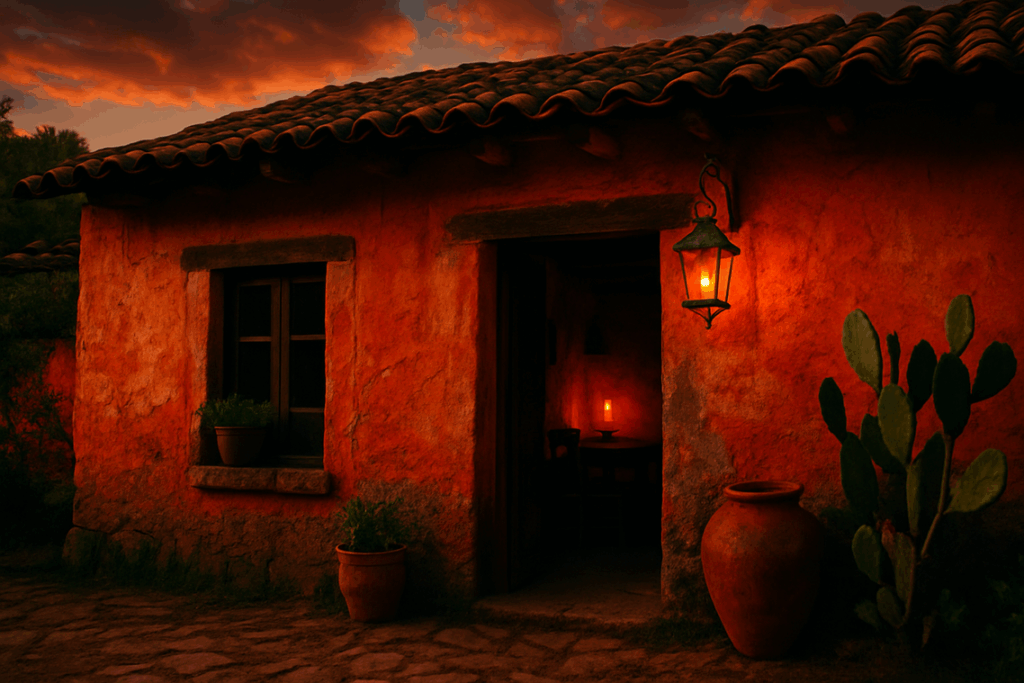
Mexican Hacienda style is about CRAFTSMANSHIP, COMMUNITY, and a lived-in connection to the land. It celebrates imperfection—hand-shaped tiles, carved wood, iron that looks forged rather than factory-made. At its heart, it’s rustic, robust, and unapologetically warm.
Key architectural elements include:
- Exposed wooden beams
- Terracotta or Saltillo tile floors (Saltillo: handmade clay tiles from Saltillo, Mexico)
- Wrought iron details on railings and lighting
- Prominent archways that soften transitions between rooms
The color palette pulls from the natural landscape: sun-baked oranges, deep reds, brilliant yellows, and vibrant blues layered against white stucco or adobe walls. Still, I’ll admit there’s debate about how bold is too bold—some designers argue for restraint, others say MORE IS MORE (and honestly, both can work).
Heavy carved furniture, Talavera pottery (colorful glazed ceramics), and handwoven textiles ground the space in texture. Compared to sleeker global interior design styles, Hacienda embraces weight and history—though how authentic it must be is still an open question.
Creating a Cohesive Look: How to Blend Global Styles
Blending global interior design styles can feel intimidating at first. After all, Scandinavian simplicity and Moroccan vibrancy seem worlds apart. However, with a few practical guidelines, you can make contrasting influences feel intentional rather than accidental.
First, apply the 80/20 Rule. Choose one dominant style to anchor 80% of the room—think clean-lined Scandinavian furniture—then layer in 20% of a secondary style, like Moroccan textiles. This keeps the space grounded while still adding personality.
Next, find a common thread. For example, if you’re mixing Japanese minimalism with rustic Hacienda pieces, unify them through a consistent neutral palette. Beige, warm whites, or soft grays can visually connect both aesthetics (yes, even that bold carved cabinet).
Equally important is material repetition. If your Japanese-inspired room features dark wood, echo that tone in wrought iron details or wooden picture frames. Shared materials create subconscious harmony.
To experiment safely, start small:
- Swap in patterned throw pillows
- Layer a globally inspired rug
- Add textured curtains or wall art
Pro tip: Live with small changes for a week before investing in larger furniture. If it still feels cohesive, you’re ready to commit.
Crafting Your Personal Sanctuary
You’ve explored how global interior design styles can shape more than just a room—they can shape how you feel in your space. Now you understand that your home doesn’t have to follow one trend. It can be layered, meaningful, and deeply personal.
The real transformation happens when you move from inspiration to action. Instead of copying a catalog look, choose pieces that reflect your experiences, travels, and tastes. That’s how a house becomes a sanctuary.
Start small today. Pick one color palette, texture, or statement piece you love and introduce it into your space. Watch how one intentional change begins to tell your story.