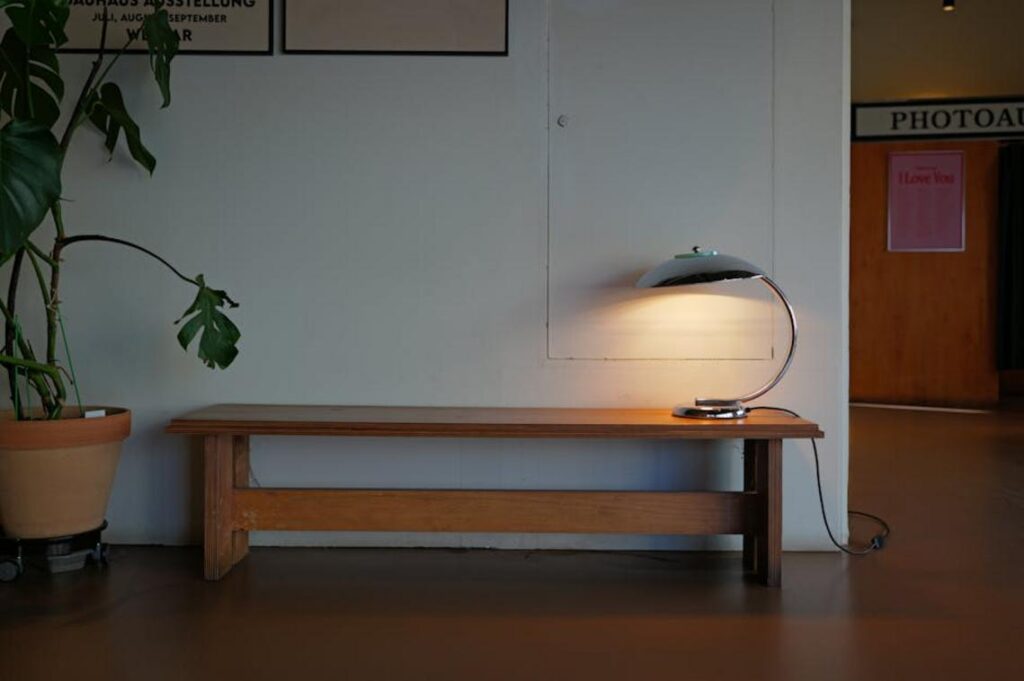
Looking for fresh home concepts that actually work in real spaces—not just in perfectly staged photos? This article is designed to give you practical, inspiring ideas you can apply right away, whether you’re refreshing a single room or rethinking your entire home setup.
We break down thoughtful interior styling approaches, Thom-focused decor themes, and smart layout strategies that balance beauty with function. From choosing cohesive color palettes to creating layered textures and intentional focal areas, you’ll find guidance that helps you make confident design decisions without feeling overwhelmed.
Our insights are built on hands-on experience analyzing what makes spaces feel harmonious, livable, and visually compelling. Every recommendation is grounded in practical application, not just theory—so you can move from inspiration to execution with clarity.
If your goal is to create a home that feels curated, comfortable, and uniquely yours, this guide will walk you through the ideas and setups that make it possible.
Ever walk into a room and feel like something’s off, but you can’t name it? You’re not alone. Most spaces fail not from bad taste, but from ignoring the seven core elements of design: space, line, form, light, color, texture, and pattern. Think of them as the Avengers of interiors—each powerful alone, unstoppable together. However, when balance is missing, clutter creeps in. Start by identifying room focal points, then adjust contrast and scale around them. For example, a bold sofa needs breathing space. In short, design isn’t magic; it’s method. And once you see it, you can’t unsee it entirely.
Understanding Space: The Canvas for Your Design
First, define the basics. Positive space is filled—sofas, tables, art, lighting. Negative space is the empty area around them. While some argue that more furniture makes a room feel luxurious, too much positive space quickly feels cluttered (think overstuffed sitcom living rooms). On the other hand, going ultra-minimal can feel cold and unfinished. The benefit of balance? A room that feels intentional and breathable.
Next, consider flow. Clear pathways should measure 30–36 inches for main traffic lanes. This isn’t arbitrary—it allows two people to pass comfortably and improves usability. When movement feels natural, the room functions better.
Finally, use furniture groupings and rugs to create zones within open layouts. For example, anchor a sofa and chairs around one of your room focal points to define a conversation area, while a chair and lamp in a corner form a reading nook. As a result, the space feels organized and intuitive.
Harnessing Line and Form to Guide the Eye
Lines quietly control how a space feels. Think of vertical vs. horizontal as ambition vs. exhale. Vertical lines—tall bookcases, high-hung curtains—pull the eye upward, making ceilings feel grander. Horizontal lines—low sofas, long consoles—stretch a room outward, creating calm stability (like the architectural equivalent of a deep breath).
Some argue color matters more than line. True, color influences mood, but without directional lines, even bold hues can fall flat. Structure first, style second.
Form works the same way. Compare:
- Geometric forms: square tables, linear chairs—orderly, modern, crisp.
- Organic forms: curved sofas, live-edge tables—soft, natural, relaxed.
A sleek cube coffee table vs. a rounded ottoman? One sharpens a space; the other softens it.
To elevate low ceilings, introduce strong verticals through floor-to-ceiling drapes, slender lamps, or striped wallpaper. Anchor these choices around room focal points for maximum visual lift.
Mastering Light and Color for Mood and Atmosphere
If a room feels “off,” lighting and color are usually the culprits (yes, even more than that questionable sofa choice). Here’s what I recommend.
Layer your lighting using three essentials:
- Ambient lighting: Your main source of overall illumination, typically ceiling fixtures. Think of this as the base soundtrack of the room.
- Task lighting: Focused light for activities like reading or cooking. A desk lamp or under-cabinet strip works perfectly.
- Accent lighting: Decorative highlights that draw attention to artwork or architectural details.
Pro tip: Install dimmers wherever possible. Adjustability instantly shifts mood from “morning meeting” to “cozy dinner.”
Next, maximize natural light. Swap heavy drapes for sheer curtains and position mirrors opposite windows to reflect daylight deeper into the space. Natural light has been shown to improve mood and productivity (Harvard Health Publishing), so let it work for you.
For color, follow the 60-30-10 rule:
- 60% dominant color (walls)
- 30% secondary color (furniture)
- 10% accent color (pillows, decor)
This formula creates balance without guesswork. Use accent shades to emphasize room focal points and add depth.
Finally, anchor bold choices with guidance from the top 10 statement pieces that instantly elevate your space to ensure every detail feels intentional.
Weaving in Texture and Pattern for Depth and Interest
First, let’s talk about texture—the surface quality of an object and how it feels (or looks like it would feel). A space filled with only smooth, flat finishes can feel cold and one-dimensional. Back in 2020, when minimalist interiors dominated social feeds, many homeowners realized after a few months that their sleek rooms lacked warmth. The fix wasn’t more furniture; it was tactile variety. Pair a rough jute rug with a smooth leather chair, layer in soft velvet pillows, and anchor the look with a shiny metal lamp. Suddenly, the room gains visual weight and sensory appeal.
Next, when mixing patterns, follow a simple formula. Vary the scale: one large print, one medium, and one small. For example, combine a large-scale floral, a medium geometric, and a small pinstripe. Just as importantly, ensure they share at least one common color to create harmony. Otherwise, the mix can feel chaotic (and not in a chic way).
Finally, if bold color feels risky, lean on texture within a monochromatic scheme. Over time, designers have proven that layering linen, wool, wood, and matte ceramics in the same hue adds depth without overwhelming room focal points. Pro tip: test swatches together in natural light before committing.
Your 3-Step Framework for a Room Makeover
I always start with what I call the Element Audit. Grab your phone, snap every corner, and study the images like a stranger would. Circle strong lines, dominant colors, and textures. In my experience, photos don’t lie (even if we wish they did).
Next, choose the hero. Fireplace, art, or that dramatic window—pick one and commit. This is where room focal points either shine or suffocate. I’m opinionated here: supporting one star always beats juggling five.
Finally, layer and edit with intention. Add texture, curve a silhouette, warm the lighting. Remove what clashes without mercy. I truly believe subtraction is design’s secret weapon. Pro tip: step away for a day before your final tweak. Distance clarifies what excitement hides, and you’ll return with sharper eyes and braver decisions. Trust your gut, but verify it with the camera. Great rooms are edited, not decorated.
Now you have the toolkit to see why a space feels off—and how to fix it. Studies show lighting alone can influence mood and productivity by up to 23% (Cornell University). Start small: refine lighting or layer texture around room focal points. In turn, one deliberate upgrade can transform everything.
Bring Your Vision to Life
You came here looking for clear, practical inspiration to transform your space with confidence—and now you have the direction to do it. From refining layouts to elevating room focal points, you understand how thoughtful choices turn ordinary rooms into intentional, stylish environments.
The frustration of mismatched decor, awkward layouts, or uninspired styling doesn’t have to continue. With the right concepts and practical setup tips, you can create a home that feels cohesive, functional, and uniquely yours.
Now it’s time to take action. Start by identifying your main focal area, apply one styling approach you’ve learned, and build outward with purpose. If you want expert-backed ideas, step-by-step breakdowns, and fresh inspiration trusted by design-focused readers, explore more of our in-depth guides today and bring your next room vision to life.