
A beautifully designed room can still feel unexpectedly flat. The problem often isn’t the color palette—it’s the absence of depth created through materials. This guide moves beyond color theory to explore the professional designer’s secret weapon: layering textures in interior design. By thoughtfully combining wood, metal, glass, stone, and textiles, you can transform a one-dimensional space into one that feels rich and dynamic. You’ll learn practical, actionable techniques to mix finishes, balance smooth and rough surfaces, and create visual intrigue using materials you may already own—turning any room from simple to striking.
The Core Principles: Contrast, Harmony, and Tactile Balance
The Power of Contrast
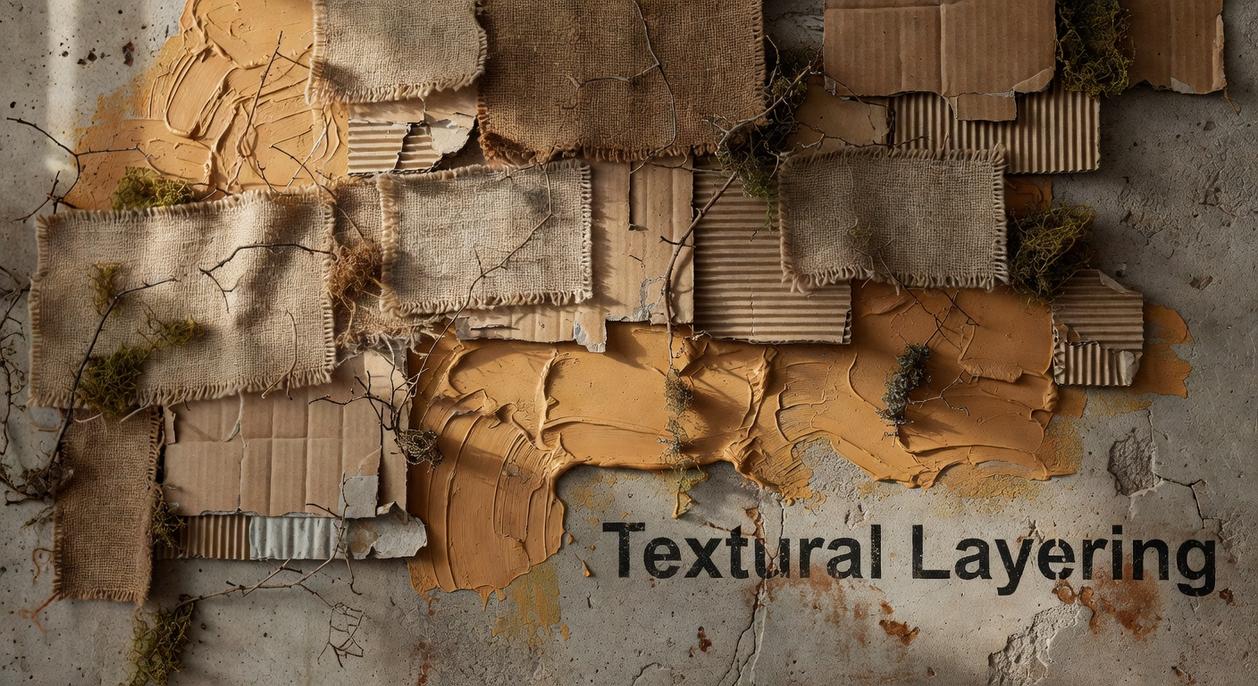
At its core, contrast is the art of pairing opposites to create tension that feels intentional. Think reclaimed wood against polished concrete—something you’ll often see in converted Brooklyn lofts or downtown Chicago brownstones. The roughness of aged timber (a material marked by visible grain and imperfections) plays beautifully against sleek, industrial finishes. Use layering textures in interior design to prevent spaces from feeling flat or one-note. After all, a room made entirely of smooth surfaces can feel like a showroom (and not in a good way).
Visual Weight and Sheen
Equally important is visual weight—how heavy or light a surface appears. Matte finishes absorb light and feel grounded; glossy lacquer or brushed brass reflects it, adding movement and energy. In smaller city apartments with limited natural light, this balance is critical. Consider:
- Matte walls to anchor the room
- Metallic accents to bounce light
- Textured fabrics to soften acoustics
Temperature Play
Finally, balance warm materials (oak, wool, brass) with cool ones (stone, steel, glass). Too much steel feels corporate; too much wood feels cabin-like. For more on balancing bold elements, explore how to mix patterns without clashing designer secrets.
Grounding with Natural Elements
Wood, stone, and natural fibers do more than fill a room—they anchor it. Wood grain (the natural pattern created as a tree grows) introduces organic movement that feels inherently calming. Stone, whether marble or slate, brings permanence and quiet strength (it’s been forming for thousands of years, after all). Woven fibers like jute and sisal add raw, earthy texture underfoot, making spaces feel approachable rather than staged. The benefit? Instant warmth and authenticity. When you begin layering textures in interior design with these materials, rooms feel balanced and emotionally steady—like a cabin retreat, minus the mosquitoes.
Introducing Sleek Modernity
If natural elements ground a room, metals and glass give it lift. Brushed nickel and matte black create subtle contrast, while polished chrome reflects light to visually expand tight spaces (a small-room hero move). Glass and acrylic—transparent or translucent materials—reduce visual clutter and keep sightlines open. The payoff is clarity: cleaner lines, brighter corners, and a refined edge that feels intentional. Want a hint of drama? A matte black fixture can add just enough industrial grit without overwhelming the space. Modern materials sharpen a room’s focus, helping your favorite features stand out instead of competing for attention.
Softening with Textiles
Textiles are where comfort meets character. Velvet, with its dense pile (the raised surface of fabric), deepens color and reflects light for a luxe effect—think old Hollywood without the red carpet. Linen offers an airy weave that relaxes a space instantly, while bouclé’s looped yarn adds cozy dimension. Leather delivers timeless appeal and develops a patina, or soft sheen, that improves with age. The benefit is tactile richness: rooms feel layered, welcoming, and lived-in. Even one leather chair or velvet cushion can transform the mood (proof that small swaps matter). Pro tip: mix smooth and nubby fabrics for maximum depth.
The Living Room Formula
A dynamic living room isn’t about filling space—it’s about contrast. Start with a soft linen sofa (breathable, slightly textured fabric made from flax fibers) and pair it with a rich leather armchair. Linen feels relaxed; leather adds structure and depth. Add a glass-and-metal coffee table to keep the room visually light, then ground everything with a high-pile wool rug for warmth underfoot. Finish with ceramic decor accents for an artisanal touch.
Some argue this mix feels busy. But when each material serves a purpose—soft for comfort, hard for structure—it creates balance, not chaos. Think of it like casting a great ensemble film: different personalities, one cohesive story. The magic is in the contrast. This is layering textures in interior design working at its most practical.
The Kitchen Composition
High-contrast kitchens spark debate. Critics say matte cabinets with glossy Zellige tile backsplashes clash. Yet that tension is precisely the point. Matte finishes absorb light, reducing glare and fingerprints (a practical win), while glossy, handcrafted Zellige tiles reflect light and add movement. Stainless steel appliances introduce a professional edge, and a warm butcher block island softens the look while defining a prep zone.
Opponents prefer uniform finishes for simplicity. But uniformity can flatten a space. By mixing materials, you visually separate functional zones—cooking, cleaning, gathering—without adding walls. Pro tip: repeat one element (like metal hardware) at least twice to maintain cohesion. The result feels curated, not chaotic.
The Serene Bedroom Sanctuary
Comfort layering sometimes gets dismissed as excessive—“Isn’t a simple duvet enough?” Not quite. A soft upholstered headboard in velvet or bouclé (a looped, tactile fabric) absorbs sound and adds quiet luxury. Crisp cotton or linen sheets keep things breathable, while a chunky knit throw introduces weight and texture. Smooth wooden nightstands with brass hardware provide polish and subtle shine.
Skeptics worry too many textiles collect dust or look heavy. The key is restraint in color and variety in touch. Keep the palette tight, but vary the feel. When done right, the room feels calm yet dimensional—less showroom, more sanctuary.
Designing a Home You Can Feel
You came here to learn how to move beyond color and start designing with depth—and now you have a clear framework for doing exactly that. A flat, uninspired room isn’t a decorating failure; it’s often a texture problem. By focusing on layering textures in interior design, you transform a space from one-dimensional to dynamic. Mixing hard with soft, rough with smooth, and matte with gloss creates the kind of visual richness that feels intentional and professionally styled.
Start small today. Add a marble tray, a velvet cushion, or a metal floor lamp to your main living area and watch the shift happen instantly. One thoughtful layer can change everything.