
Looking for decorative lighting ideas that do more than just brighten a room? The right lighting can completely transform your space—adding warmth, depth, and personality while enhancing your overall interior style. This article is designed to help you discover creative, practical, and visually striking lighting concepts that elevate both function and aesthetics in your home.
Many homeowners struggle to balance ambiance with practicality, often ending up with lighting that feels either too harsh or too dim. Here, you’ll find thoughtfully curated ideas, styling approaches, and setup tips that make it easier to choose fixtures, layer lighting effectively, and highlight key design features with confidence.
Our insights are grounded in hands-on interior styling experience, careful trend analysis, and practical home implementation strategies. Whether you’re refreshing a single room or reimagining your entire space, this guide will give you clear, actionable inspiration to create lighting that truly transforms your home.
Lighting Beyond Illumination: Setting the Mood of Your Home
Most homes rely on a single ceiling fixture—bright, flat, and uninspiring. But lighting should shape emotion, not just reveal furniture. Start with layering: combine ambient (overall light), task (focused light for reading or cooking), and accent (highlighting art or textures). This three-tier method instantly adds depth.
Next, install dimmers. Lower light in the evening to create calm (your brain reads softer light as relaxation mode).
Highlight architectural features with LED strips under shelves or along stair risers. Use decorative lighting ideas like sculptural pendants as focal points.
Pro tip: Aim for warm bulbs (2700K–3000K) in living spaces for a cozy glow.
Integrate Light into Your Architecture
Lighting isn’t just about brightness; it’s about placement and purpose. When integrated directly into architectural elements, it becomes part of the structure rather than an afterthought.
Cove Lighting refers to hidden LED strips installed along ceiling edges or inside tray ceilings. Instead of shining directly into your eyes, the light bounces off the ceiling and walls. This is called indirect lighting—illumination that reflects off a surface before reaching you. The result? A soft glow that visually lifts the ceiling and makes the room feel larger (think of the ambient calm in a high-end hotel lobby).
Next, Under-Cabinet and Shelf Lighting serves two roles. First, it acts as task lighting, meaning focused light for activities like chopping vegetables on countertops. Second, it works as accent lighting, highlighting décor on shelves. Puck lights create small, concentrated pools of light, while LED strips provide continuous, even coverage. If you prefer clean lines, strips are often less noticeable.
Meanwhile, Stairway Illumination blends safety and style. LEDs can be recessed into stair risers, tucked under handrails, or mounted along walls. This reduces shadows and prevents missteps while adding subtle drama.
Finally, Backlighting Features—such as panels, headboards, or mirrors—use concealed LEDs to create a floating effect. By adding depth and contrast, these decorative lighting ideas transform flat surfaces into architectural highlights.
Master the Three Layers of Light
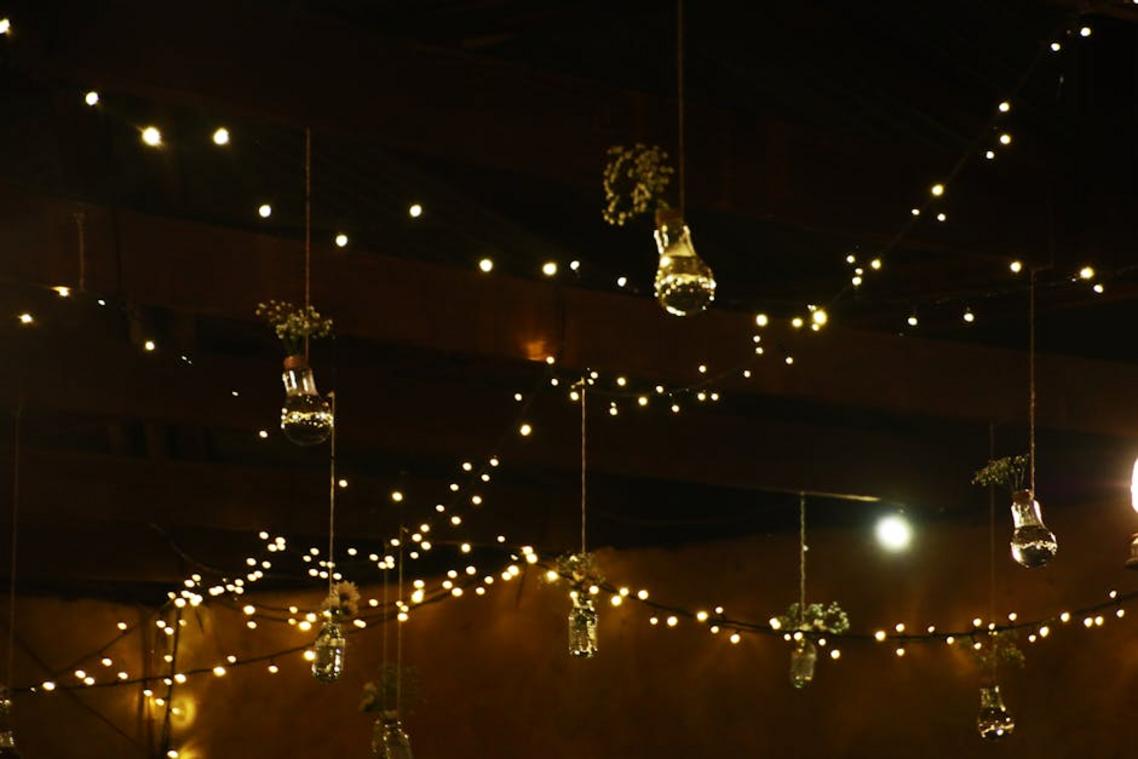
Great lighting isn’t accidental—it’s layered. If you’re relying on a single ceiling fixture, it’s time for an upgrade. Think in THREE distinct layers, each with a purpose.
Ambient Layer (The Foundation)
This is your room’s base glow. Instead of one harsh overhead bulb (the “interrogation room” effect), combine recessed lights, subtle cove lighting, and stylish flush mounts. The goal? EVEN, COMFORTABLE illumination without shadows dominating the space. Warm white bulbs (around 2700K–3000K) create a welcoming atmosphere, as recommended by the American Lighting Association. Pro tip: Put ambient lighting on dimmers so you can shift the mood from energetic morning to relaxed evening.
Task Layer (The Workhorse)
Now focus on function. Identify where real work happens—reading nooks, kitchen islands, home offices. Add sculptural floor lamps beside chairs, elegant pendants above islands, or minimalist desk lamps that blend seamlessly into your decor. Good task lighting reduces eye strain, according to the Illuminating Engineering Society, and makes everyday activities easier (and less squinty).
- Choose adjustable fixtures so you can direct light exactly where it’s needed.
Accent Layer (The Drama)
This is where personality takes over. Use spotlights, picture lights, or uplights to highlight artwork, architectural details, or even a dramatic houseplant. Accent lighting creates contrast and depth—think of it as the spotlight moment in your favorite film scene. Smart decorative lighting ideas turn ordinary rooms into layered, gallery-like spaces.
Make a Statement: Using Light as Art
Lighting doesn’t just illuminate a room—it can define it. If you want impact, start with sculptural fixtures. A sculptural fixture is a light designed as an art object first and a utility second. Think oversized brass chandeliers or asymmetrical pendant lights in hand-blown glass. Even when switched off, they command attention (like a well-dressed guest who doesn’t need to speak to be noticed). Choose materials that contrast your space—matte black in a pale room, or warm rattan in a modern loft—and always scale appropriately. Too small disappears; too large overwhelms. Pro tip: measure your room’s width in feet and convert that number to inches for an ideal chandelier diameter.
Next, consider neon and marquee lights. Custom neon signs add personality—song lyrics in a living room, a cheeky phrase above a bar cart. Vintage-style marquee letters bring a retro cinema vibe. They’re playful but intentional, not dorm-room décor.
If commitment scares you, try light projectors. Sunset lamps and galaxy projectors wash walls with shifting color, instantly reframing mood without paint or renovation. It’s one of the most flexible decorative lighting ideas available today.
Finally, illuminated furniture—LED-infused tables or glowing modular seating—creates a futuristic edge. Used sparingly, it feels curated. Overdone, it feels like a nightclub (unless that’s your goal).
For more inspiration, explore before and after simple highlight upgrades that make a big impact and start experimenting boldly.
Smart Lighting for a Dynamic Home
Smart lighting isn’t just about turning lights on with your phone (though that’s undeniably cool). It’s about shaping atmosphere.
Color-Changing Capabilities
With bulbs like Philips Hue, you can adjust brightness and temperature to match your day. Cool white in the morning boosts alertness; warm amber at night signals your brain to unwind (research shows warmer light supports melatonin production, per Harvard Health). Try:
- Soft white for dinner parties
- Cool daylight for cleaning or detailed tasks
Creating Scenes
Program presets such as:
- Movie Night: dim overheads, subtle side lamps
- Focus: bright, cool desk lighting
Automation and Scheduling
Set lights to:
- Turn on at sunset
- Gradually dim after 9 PM
- Randomize when away for security
Use decorative lighting ideas to layer depth and personality.
Your home’s luminous transformation awaits — and I genuinely believe lighting is the most underestimated design tool we have. You don’t need a renovation budget; you need intention.
Flat, boring illumination drains personality. I’ve seen stunning rooms fall apart under harsh, single-source bulbs. Instead, layer light, weave it into shelves and ceilings, and treat fixtures like sculpture.
Start small:
- Add a spotlight to a favorite plant.
- Swap one lamp for a statement piece.
- Experiment with decorative lighting ideas.
Good lighting changes everything. It shapes mood, defines architecture, and quietly tells your story. Pick one corner today and watch it glow.
Bring Your Space Together with the Right Light
You came here looking for clarity, inspiration, and practical direction—and now you have a clear understanding of how thoughtful lighting choices can completely transform your space. From layout balance to mood enhancement, you’ve seen how the right approach turns ordinary rooms into intentional, inspiring environments.
The real frustration isn’t a lack of furniture or decor—it’s lighting that feels flat, harsh, or disconnected from your style. When lighting is overlooked, even the most beautiful interiors fall short. That’s why applying these decorative lighting ideas isn’t just about aesthetics—it’s about creating warmth, personality, and functionality in every corner of your home.
Now it’s time to take action. Start by reassessing one room today—identify where layered lighting, accent fixtures, or statement pieces can elevate the atmosphere. If you’re ready for a cohesive, expertly guided approach, explore our in-depth home styling resources and practical setup guides. We’re trusted by readers who want stylish, functional spaces without the guesswork.
Don’t settle for dull or mismatched lighting. Transform your home with confidence—start implementing these ideas now and see the difference immediately.