
If your home feels more chaotic than calming, you’re not alone. Many living spaces become overwhelmed with clutter, visual noise, and mismatched decor—making it difficult to truly relax. This guide to The Art of Intentional Living offers a clear, practical roadmap to transforming your space into a serene sanctuary through minimalist interior styling. You’ll discover how clean lines, purposeful decor, and thoughtful layouts work together to promote clarity and calm. Drawing on proven interior design principles and real-world styling insights, this article moves beyond theory—giving you simple, actionable steps to create a beautifully balanced, clutter-free home.
The Foundation: Mastering Clean Lines in Your Space
Clean lines are uninterrupted, strong visual paths that guide the eye smoothly across a room. In simple terms, they’re the horizontal and vertical elements that create order instead of visual noise. Think of how your eye follows a long console table or a straight curtain rod (it’s oddly calming, isn’t it?).
In Furniture: Choose Shape Over Show
Start with silhouettes. A bulky, rolled-arm sofa with ornate trim interrupts flow, while a low-profile sofa with straight arms creates one continuous line. Likewise, opt for geometric coffee tables, flat-front cabinets, and unadorned surfaces. If you’re unsure, step back and ask: does this piece feel streamlined or fussy?
| Element | Ornate Version | Clean-Line Version |
|———-|—————-|——————-|
| Sofa | Tufted, curved arms | Straight arms, low back |
| Coffee Table | Carved legs | Rectangular slab base |
| Cabinetry | Raised panels, handles | Flat-front, handleless |
In architecture, details matter just as much. Simple window casings, handleless cabinetry, and clear walkways reinforce minimalist interior styling without a full renovation.
Even in traditional homes, you can create clean lines. For example, align the tops of picture frames, use furniture with consistent seat heights, and keep pathways clear. Pro tip: choose one dominant line direction—horizontal or vertical—and repeat it subtly throughout the room.
The “Less Is More” Philosophy: Curating Minimal Decor
At its core, minimal decor isn’t about owning less for the sake of it. Rather, it’s about intention. In minimalist interior styling, every object should serve a purpose—either functional (it does a job) or meaningful (it tells your story). If a chair is uncomfortable or a sculpture means nothing to you, it’s just visual noise. Think of it like editing a film: the strongest scenes stay; the rest hit the cutting room floor.
Equally important is negative space—the empty areas around your furniture and decor. Negative space is not “unused.” It’s a design element that gives your favorite pieces room to breathe. Apple stores use this principle masterfully; fewer products, more impact (and yes, it works at home too).
However, some critics argue minimal spaces feel cold or barren. That’s fair. The solution isn’t adding more stuff—it’s adding texture and quality. A linen throw, a solid wood table, or a hand-thrown ceramic vase adds warmth without clutter.
To get started, try the “one in, two out” rule. For every new item you bring home, remove two. This simple constraint forces thoughtful curation.
And if you’re worried about your space feeling flat, explore mix and match blending patterns without overwhelming the space for balance without excess.
Building Your Canvas: The Role of Color and Texture
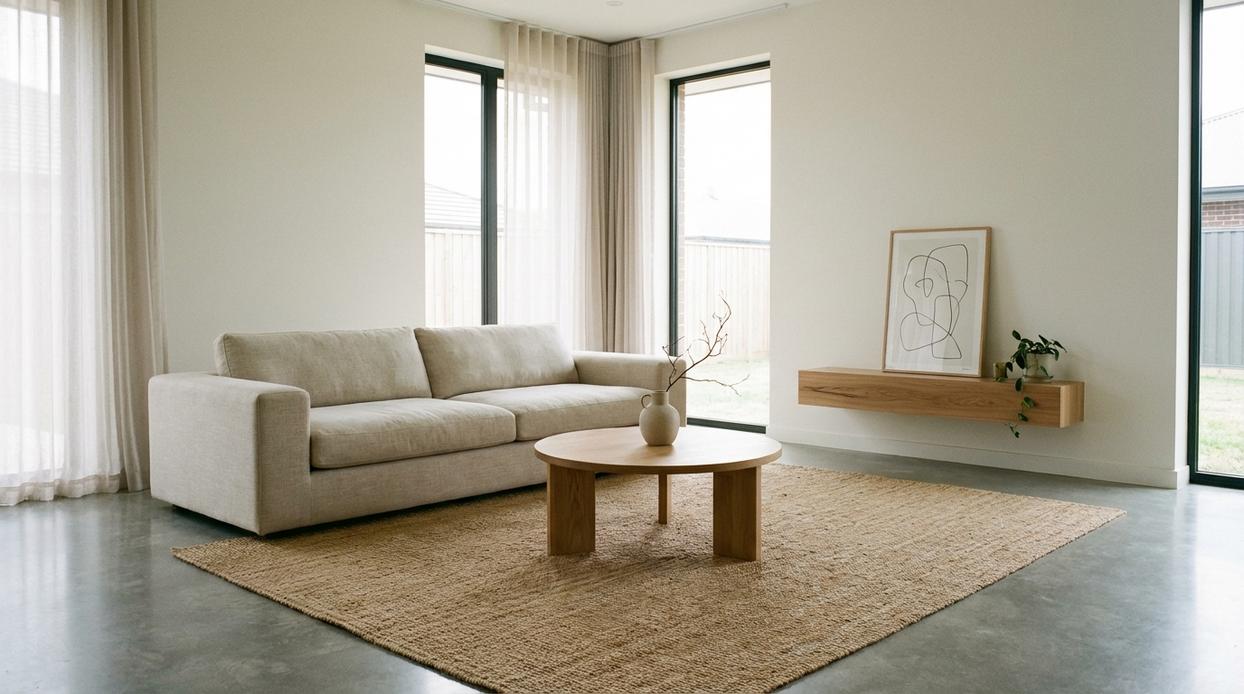
The first time I painted my living room pure white, I panicked. It felt stark—almost unfinished. But within weeks, once the furniture and fabrics came in, the space transformed into something calm and intentional. That’s when I understood the power of a neutral palette.
Whites, creams, grays, and beiges act as a cohesive backdrop. A monochromatic scheme—meaning variations of one base color—enhances clean lines and architectural details. In minimalist interior styling, this restraint keeps the eye from feeling overwhelmed (and makes clutter VERY obvious).
Some argue neutrals are boring. I used to agree. But neutrals aren’t the end goal—they’re the CANVAS.
Introducing Muted Tones
When I wanted more personality, I layered in muted tones: earthy greens through olive cushions, soft blues in ceramic vases, and a warm terracotta planter. These colors add depth without shouting for attention. Think of them as background music rather than a headline act.
The Importance of Texture
Texture is where warmth lives. Without it, even the prettiest palette falls flat.
In my own space, I incorporated:
- Raw wood coffee tables
- Soft linen curtains
- Chunky wool knit throws
- Smooth concrete planters
- Woven jute rugs
The magic happens in layering. A smooth leather chair on a rough jute rug, topped with a soft cashmere throw, creates contrast and depth. Designers call this tactile balance—the interplay between surfaces that makes a room feel lived-in.
Pro tip: If your space feels cold, add texture before adding color. Nine times out of ten, that’s the missing piece.
Function Meets Form: Smart Storage and Multi-Purpose Furniture
Clutter is the quiet villain of any well-designed home. You might think a few extra stacks of mail or visible cords aren’t a big deal. But over time, visual noise increases stress and makes even spacious rooms feel cramped (yes, even that open-plan loft you loved in 2022). Effective storage isn’t optional—it’s foundational. The goal is simple: a place for everything, so surfaces stay clear.
Concealed Storage That Works Overtime
First, consider built-in cabinetry. Unlike freestanding units, built-ins blend seamlessly into walls, creating clean lines associated with minimalist interior styling. Floating shelves with slim, understated brackets offer display space without bulk. Meanwhile, hidden compartments—like storage ottomans or beds with integrated drawers—pull double duty.
Some argue concealed storage encourages you to hide clutter rather than reduce it. Fair point. However, when thoughtfully planned, concealed storage limits what you keep because space is defined. After three months of reorganizing a small apartment project last year, we found that fixed drawer sizes actually curbed overbuying.
Next, prioritize multi-functional pieces. A lift-top coffee table can transform into a desk for remote work. A bench in the entryway provides seating and a place for shoes. A slim console table can shift from bar setup on Friday night to weekday drop-zone.
Finally, organize the unseen spaces. Use drawer dividers and clear bins inside cabinets so items remain visible and accessible. Pro tip: label bins by category, not person. It saves time and arguments later.
Your Personal Sanctuary Starts Now
You set out to learn how to create a home defined by clean lines and thoughtful, minimal decor—and now you have the foundational principles to make it happen. By choosing intention over excess, you eliminate the chaos that once made your space feel overwhelming. That’s the true power of minimalist interior styling: it clears not just your surfaces, but your mind.
A cluttered environment drains your energy. A simplified, curated space restores it.
Start small—one room or even one corner today. Take action, remove what no longer serves you, and design with purpose. The calm, clarity, and comfort you’ve been craving begin with that first deliberate change.