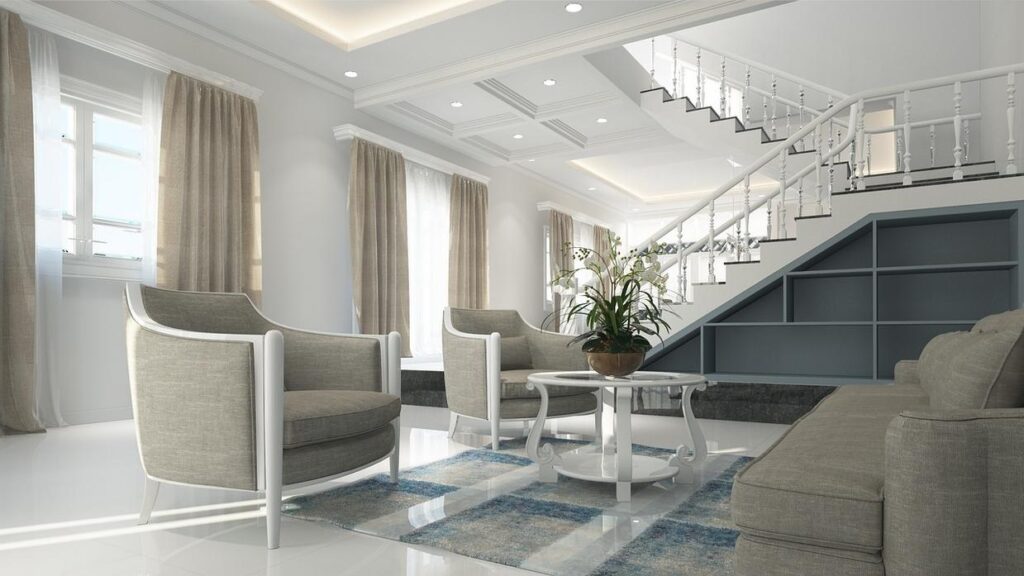
Choosing between minimalist vs maximalist homes can feel overwhelming when you’re trying to create a space that truly reflects your personality and lifestyle. You might love the clean calm of simplicity, yet feel drawn to bold colors, layered textures, and statement pieces. The real question isn’t which trend is more popular — it’s which approach works best for your space, habits, and long-term vision.
This article breaks down the defining features, benefits, and challenges of both design styles so you can confidently decide what fits your home. You’ll learn how each approach affects layout, storage, mood, and daily functionality, along with practical tips to blend elements if you’re stuck between the two.
Our insights are grounded in real-world interior styling principles, practical home setup strategies, and tested decor concepts that prioritize both aesthetics and livability — so you can make a choice that looks good and works beautifully.
Choosing your aesthetic isn’t a coin toss between silence and noise; it’s more like choosing a soundtrack for your daily life. Minimalism is a clear piano melody—spare, intentional, every note earning its place. Maximalism is a full orchestra, layered and expressive, where color and pattern crescendo together.
When comparing minimalist vs maximalist homes, think of a capsule wardrobe versus a vintage treasure chest.
• Color: muted neutrals vs saturated hues
• Furniture: functional essentials vs statement pieces
• Mood: calm retreat vs energetic gallery
Some argue simplicity feels cold. Others say abundance overwhelms. The truth? Your rhythm decides. Choose wisely.
The Philosophy of ‘Less’: Understanding Minimalist Design
Minimalism isn’t about living like a monk who misplaced his furniture. It’s about intentionality. The core principle is simple: every object has a purpose and a place. If it doesn’t serve a function or spark genuine joy, it’s probably just auditioning for clutter. In minimalist vs maximalist homes, the difference is clear—one whispers, the other shouts.
Key characteristics include clean lines, uncluttered surfaces, and a limited color palette—think whites, beiges, and soft grays. These tones aren’t boring; they’re a visual deep breath (and who doesn’t need one of those?). By stripping away excess, the design highlights what truly matters.
Functionality comes first. Furniture is selected for both form and purpose, often featuring simple geometry and high-quality materials like solid wood or stone. A chair should be comfortable and beautiful—not a sculptural mystery no one can sit on. Simplicity is sophistication, as Leonardo da Vinci famously said (and he knew a thing or two about design).
The result? Calm, spaciousness, and tranquility. A well-executed minimalist space feels like a visual vacation from the chaos of daily life. It’s less noise, more nuance—and far fewer things to dust.
The Art of ‘More’: Embracing Maximalist Design
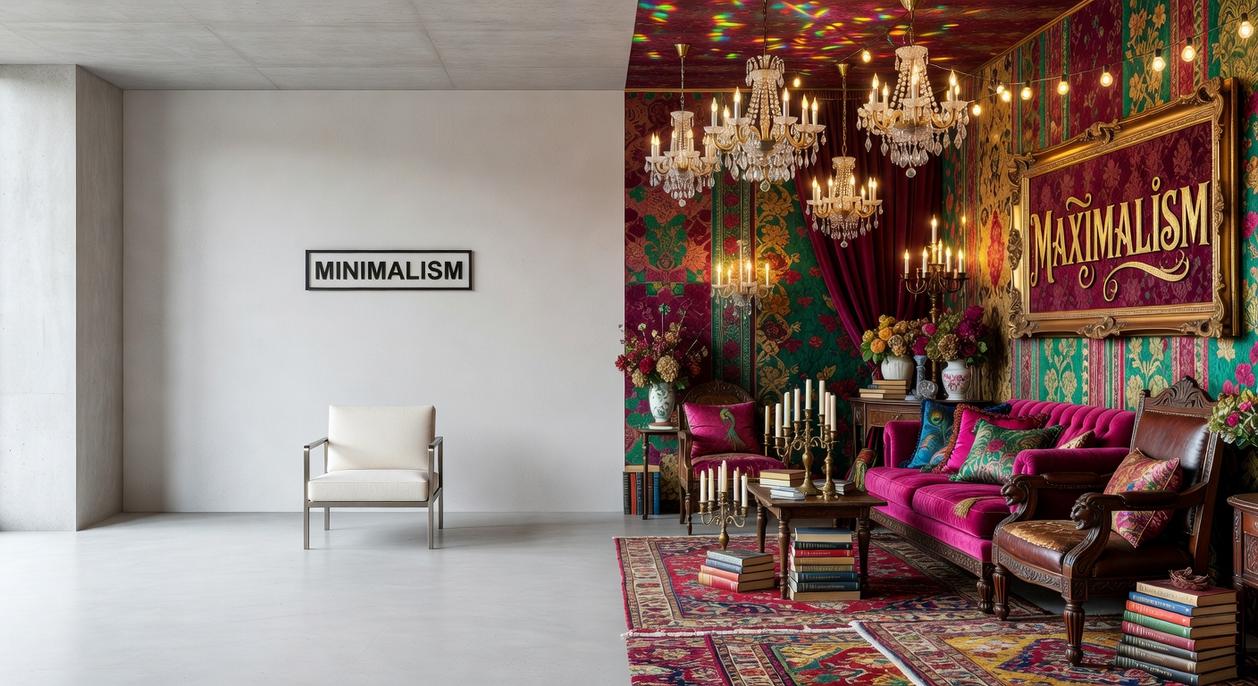
Let’s be honest: beige-on-beige rooms can feel a little… uninspired. If you’ve ever walked into a perfectly styled but personality-free space and thought, “Does anyone actually live here?” you’re not alone. That frustration is exactly where maximalism begins.
At its core, maximalism is a design philosophy that celebrates curated abundance—meaning your space is filled intentionally with things you love, not random clutter. It’s self-expression in physical form. Think bold jewel tones, layered patterns (yes, floral on stripes works), and rich textures like velvet paired with aged wood and brushed metal.
However, maximalism isn’t chaos. It’s storytelling. Every framed print, travel souvenir, vintage lamp, or inherited chair adds a chapter. Instead of hiding your personality, you put it on display. (Imagine your living room having more plot twists than a season finale.)
In the debate of minimalist vs maximalist homes, critics argue that “more” feels overwhelming. And sometimes, badly executed spaces do. Yet when thoughtfully layered, maximalist rooms radiate warmth, energy, and depth.
The result? A dynamic, lived-in atmosphere that sparks conversation. If you’re working with limited square footage, explore small space big ideas creative concepts for compact homes to balance abundance with intention.
A Head-to-Head Comparison: The Definitive Differences
When comparing minimalist vs maximalist homes, the differences show up immediately—yet choosing between them becomes easier when you break each element down.
Color Palette
Minimalism leans on neutral tones—think whites, beiges, and soft grays. These hues reflect light and reduce visual noise, which researchers link to lower cognitive overload (Journal of Environmental Psychology, 2014). To try this at home, start by painting walls a warm white and limit accent colors to one or two shades.
In contrast, maximalism embraces bold, saturated colors that sometimes clash on purpose. Jewel tones, patterned wallpaper, and vibrant art create energy. If you want to experiment without overwhelm, begin with one dramatic feature wall and build outward.
Furniture & Silhouette
Minimalist furniture favors clean lines and functional forms. Picture a low-profile sofa with hidden storage (yes, form follows function—very Bauhaus). Measure your space first, then choose pieces that serve at least two purposes.
Maximalist interiors, however, spotlight ornate or statement pieces: curved velvet chairs, carved wood tables, or vintage finds. The key is balance—anchor bold items with at least one solid-colored surface nearby.
Pattern & Texture
Minimalism relies on subtle texture—linen curtains, a wool throw, a jute rug—to add warmth without clutter. Layer no more than three textures per room for cohesion.
Meanwhile, maximalism layers patterns freely: florals with stripes, velvet with brass. To avoid chaos, repeat one color across patterns to tie them together (pro tip: a shared accent color acts like visual glue).
Use of Space & Decor
Minimalism celebrates negative space. Leave breathing room around furniture and follow a simple one-in, one-out rule when adding decor.
Maximalism fills space intentionally. Gallery walls, stacked books, and collected treasures create coziness—think of it as storytelling through objects, like stepping into a Wes Anderson set. Choose what resonates.
Finding the Middle Ground: Can You Be a ‘Minimalist Maximalist’?
First, let’s reframe the debate around minimalist vs maximalist homes. You don’t have to pick a side. Instead, try a hybrid approach—often called Warm Minimalism (clean lines with cozy touches) or Curated Maximalism (bold, but intentional).
Here’s how to apply it:
- Start with a neutral base: white or beige walls, simple furniture shapes.
- Layer gradually: add one patterned rug or bold art piece.
- Edit collections: display grouped objects, not everything at once.
For example, a calm linen sofa becomes a canvas for vibrant pillows. As a result, your space feels expressive—without visual chaos.
Defining Your Home’s Narrative: Which Style Speaks to You?
Now that you understand the philosophies behind minimalist vs maximalist homes, here’s my honest take: there’s no moral high ground in design. It’s not about right or wrong. It’s about resonance.
Personally, I believe your space should feel like an exhale. For some, that’s clean lines and open air. For others, it’s layered textures and collected stories (the kind that spark conversation over coffee).
So, where do you begin?
- Walk into one room.
- Notice your first reaction.
- Ask: Do I want more breathing room—or more personality?
Start there. Your home should support you, not impress strangers.
Designing a Home That Truly Feels Like You
You set out to understand the real differences between minimalist vs maximalist homes, and now you have the clarity to choose what truly fits your lifestyle. Whether you crave calm, clutter‑free spaces or layered rooms filled with personality, the right approach isn’t about trends — it’s about creating a home that supports how you live every day.
If you’ve been feeling overwhelmed by too many design ideas or frustrated that your space doesn’t reflect who you are, that discomfort is your signal. A well-designed home should feel intentional, functional, and inspiring — not chaotic or incomplete.
Now it’s time to act. Assess your space, define what energizes you, and start making focused changes — whether that means simplifying room by room or thoughtfully layering color, texture, and statement pieces.
If you want expert guidance that turns confusion into a clear, cohesive design plan, explore our proven styling insights and practical home setup strategies. We’re trusted by readers who want smart, achievable design solutions that actually work. Start transforming your space today and create a home that finally feels right.