
Creating a home that truly restores and inspires goes far beyond adding a few leafy accents. In this guide to nature inspired interiors, we move past surface-level decor and explore the foundational principles that make a space feel alive. Many “natural” designs fall flat because they focus on objects instead of atmosphere. Here, you’ll discover how texture, light, organic forms, and authentic materials work together to shape a cohesive, calming environment. Drawing from years of hands-on analysis and application of biophilic design concepts, this article shows you not just what to add—but how to design a home that genuinely breathes.
Biophilia—the idea that humans possess an innate tendency to connect with nature—explains why a sunlit room feels calming while a windowless box feels draining. Biophilic design applies this instinct to interiors, shaping spaces that echo the outdoors. Think less concrete bunker, more lakeside retreat (without the mosquitoes).
Direct experiences bring actual elements inside: a living fiddle-leaf fig, a small fountain, operable windows that invite fresh air. Indirect experiences reference nature through suggestion—wood grain patterns, botanical prints, or a landscape photograph. Critics argue photos and faux finishes are “good enough.” I disagree. If you can, choose the real thing; authenticity engages more senses and delivers measurable well-being benefits (see Kellert, 2018).
Focus on three pillars:
- AUTHENTIC MATERIALS: Choose solid wood, natural stone, wool, or linen over synthetics.
- Dynamic light: Maximize daylight with sheer curtains and mirrors; layer warm bulbs for evenings.
- Organic forms: Favor curved sofas, rounded tables, and irregular textures over rigid lines.
For nature inspired interiors that truly restore you, prioritize sunlight first—it’s the hardest element to fake. Then layer materials and form. START SIMPLE. Add one plant, swap one light fixture, replace one plastic surface. Small shifts compound into spaces that breathe. Choose quality always.
A Tactile World: Choosing Materials with Soul
Wood: The Foundation
Wood does more than fill a room—it shapes how it feels. Studies in environmental psychology show that natural wood surfaces can lower stress responses and heart rates compared to synthetic finishes (Fell, University of British Columbia). Walnut, with its deep chocolate tones, creates intimacy and warmth (think of a classic library scene). In contrast, light oak reflects more light, making spaces feel open and breathable—ideal for smaller rooms. Reclaimed or FSC-certified wood isn’t just ethical; it reduces environmental impact and often adds character through visible grain and patina. Pro tip: matte finishes feel more organic underfoot than high-gloss sealants.
Stone and Earth
Stone quite literally grounds a space. Research in biophilic design suggests that exposure to natural materials improves mood and cognitive performance (Terrapin Bright Green, 2014). Slate flooring adds texture and durability, while marble introduces cool refinement. Travertine’s porous surface softens light, and terracotta brings rustic warmth (no Tuscan villa required). These materials connect interiors to the outdoors—a cornerstone of nature inspired interiors.
Natural Textiles
Hard surfaces need balance. Linen curtains diffuse light; wool rugs absorb sound; cotton upholstery breathes; jute adds tactile contrast. Layering these materials increases sensory richness, which studies link to greater comfort and perceived luxury (Journal of Interior Design, 2018). It’s why boutique hotels rarely rely on one texture alone.
Living Elements
Finally, go beyond a single potted plant. Create plantscapes with varied heights, integrate preserved moss walls, or add a small indoor fountain for gentle sound and humidity control. According to NASA’s Clean Air Study, certain plants improve indoor air quality—practical and poetic. For enduring inspiration, explore timeless home design concepts that never go out of style.
Painting with Light: Harnessing Color and Sun
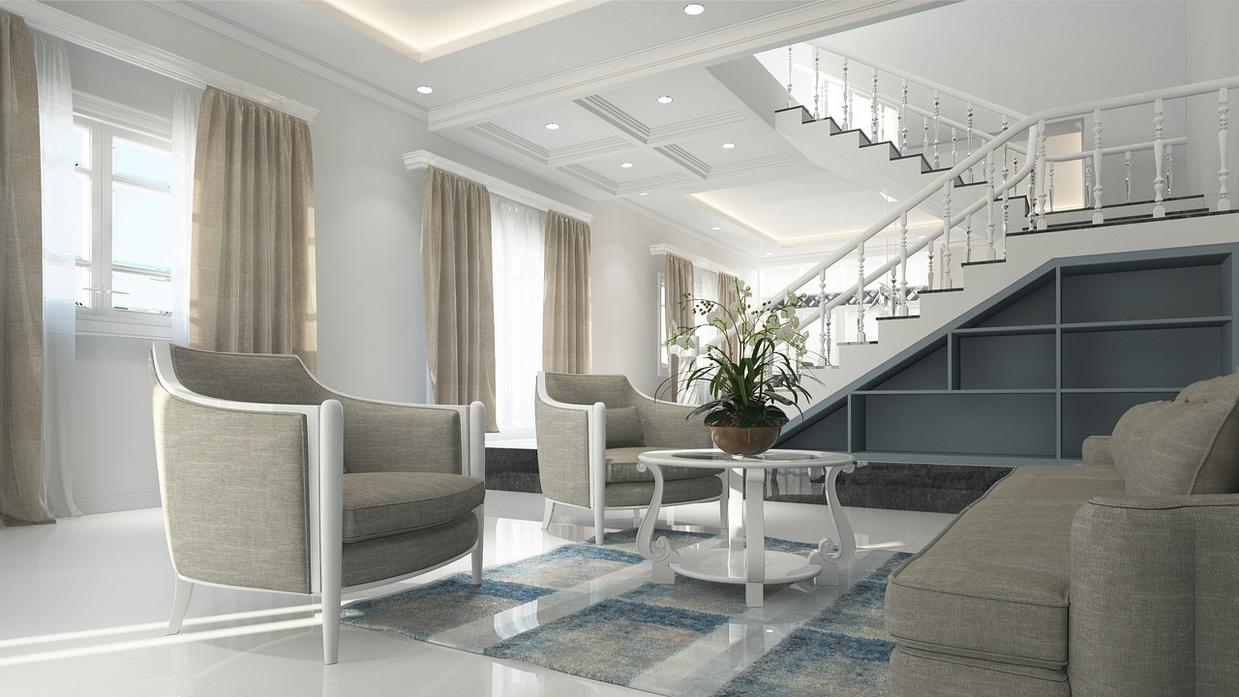
Light and color don’t just decorate a room—they shape how it feels to live in it. When you borrow from the outdoors, your space instantly feels grounded and timeless (and far less trend-chasing).
The Natural Palette
Think earthy terracotta, warm beige, and rich browns for a cocooning effect. Layer in forest hues like deep green or moss to create calm focus—studies show green environments can reduce stress and improve concentration (American Psychological Association). Prefer something breezier? Coastal shades—sandy whites and soft blues—reflect light beautifully and make smaller rooms feel expansive. That’s the magic of nature inspired interiors: they rarely clash, and they age gracefully.
Maximizing Natural Light
Sunlight boosts mood and regulates circadian rhythms (National Sleep Foundation). Sheer window treatments let light in while preserving privacy. Place mirrors opposite windows to bounce brightness deeper into the room. Choose light paint colors to amplify every ray. Pro tip: satin or eggshell finishes reflect more light than flat paint.
Layering Artificial Light
When the sun dips, recreate its warmth. Use 2700K dimmable bulbs for a soft glow. Combine table lamps, sconces, and floor lamps instead of relying on one harsh overhead fixture. The benefit? Flexible lighting that adapts to your mood—movie night included.
From Concept to Creation: Actionable Styling Tips
Design trends can feel abstract, so let’s simplify them.
Embrace Imperfection (Wabi-Sabi). Wabi-sabi is a Japanese philosophy that finds beauty in imperfection and impermanence. Instead of flawless finishes, think of a live-edge wood table with visible knots or hand-thrown pottery with uneven glazing. These details add warmth and authenticity (because real life isn’t factory-perfect).
Bring in Organic Shapes. Modern rooms often rely on straight lines and sharp angles. Balance that with curved sofas, round mirrors, or irregular coffee tables. Soft silhouettes make a space feel inviting rather than rigid.
- Natural Scentscaping. This simply means layering scent into your space. Use essential oil diffusers with pine, cedarwood, or lavender, or display fresh eucalyptus for a subtle aroma.
- Art and Decor. Choose landscape art or natural abstracts. Style stones, driftwood, or seashells as sculptural accents.
These small shifts help create calming, nature inspired interiors without overwhelming your space.
Your Naturally Inspired Sanctuary Awaits
You came here looking for a clear path to creating a home that feels grounded, calming, and connected to the outdoors. Now you have a complete framework to bring nature inspired interiors to life through thoughtful materials, natural light, and organic forms.
This isn’t about chasing a passing trend. It’s about easing the stress of artificial spaces and designing rooms that restore your energy every day. By choosing authentic textures and embracing organic principles, you create a timeless environment that nurtures and inspires.
Start small. Transform one room with a single intentional change—and begin building your sanctuary today.