
Open floor plans have evolved from a passing design trend into a defining feature of modern homes. If you’ve ever felt boxed in by tight hallways and isolated rooms, you’re not alone. Traditional layouts can feel dark, restrictive, and disconnected from the way families actually live today. This guide explores the true open concept living benefits, from improved natural light and better social flow to greater flexibility in furniture placement and décor. Backed by expert design insights and practical planning principles, you’ll discover why open layouts continue to be a smart, future-focused choice for renovations and new builds alike.
A Hub for Connection: Fostering Social Interaction
Tearing down walls between the kitchen, dining, and living areas can completely reshape how a home feels. By eliminating these barriers, you create one expansive communal zone instead of three disconnected rooms. In design terms, this is often called a great room—a unified living space that blends cooking, dining, and relaxing into one shared environment.
Where We Got It Wrong (At First)
In one remodel, we kept a partial divider between the kitchen and living room, thinking it would “define” the space. It didn’t. It just blocked sightlines and conversation. Parents couldn’t easily supervise homework at the island, and hosts had to step away from guests to finish meals. Lesson learned: visual openness matters as much as physical openness.
When done right, this layout encourages effortless togetherness. You can sauté vegetables while chatting with friends on the sofa. Kids can spread homework across the dining table without feeling isolated. (And yes, you can keep an eye on the pasta and the toddler at the same time.)
Critics argue open layouts are noisy and chaotic—and they can be. But smart zoning with rugs, lighting, and furniture placement reduces echo and defines activity areas.
The result? A central hub that makes entertaining easy. Guests move freely, conversations overlap naturally, and the home feels alive. That’s one of the most practical open concept living benefits.
For even deeper integration with nature, explore biophilic design principles for healthier indoor spaces.
Maximizing Light and the Perception of Space
One of the biggest design shifts I consistently recommend is reducing unnecessary interior walls. Natural light should travel, not stop short. When sunlight enters through a window, fewer barriers allow it to penetrate deeper into the home, illuminating corners that would otherwise feel dull and forgotten. The result? A brighter, more welcoming atmosphere that feels alive throughout the day (and saves a bit on electricity, too).
Beyond brightness, there’s a powerful psychological effect at play. Unbroken sightlines create what designers call a visual expanse—a perception that a space is larger than its actual square footage. Your eye moves freely from one end of the room to the other without interruption, which subtly signals openness and freedom. It’s the same illusion filmmakers use with wide-angle shots to make scenes feel grander.
For smaller homes, apartments, or condos, this approach can be transformative. In my opinion, it’s one of the smartest layout decisions you can make. Open layouts help:
- Reduce feelings of confinement
- Maximize shared natural light
- Create multifunctional living zones
- Enhance overall flow and comfort
These open concept living benefits are especially valuable when every square foot counts.
Finally, open layouts promote architectural harmony. Materials, color palettes, and decor themes flow seamlessly from one zone to the next, creating a unified aesthetic that feels intentional rather than pieced together.
Unparalleled Flexibility for a Multifunctional Life
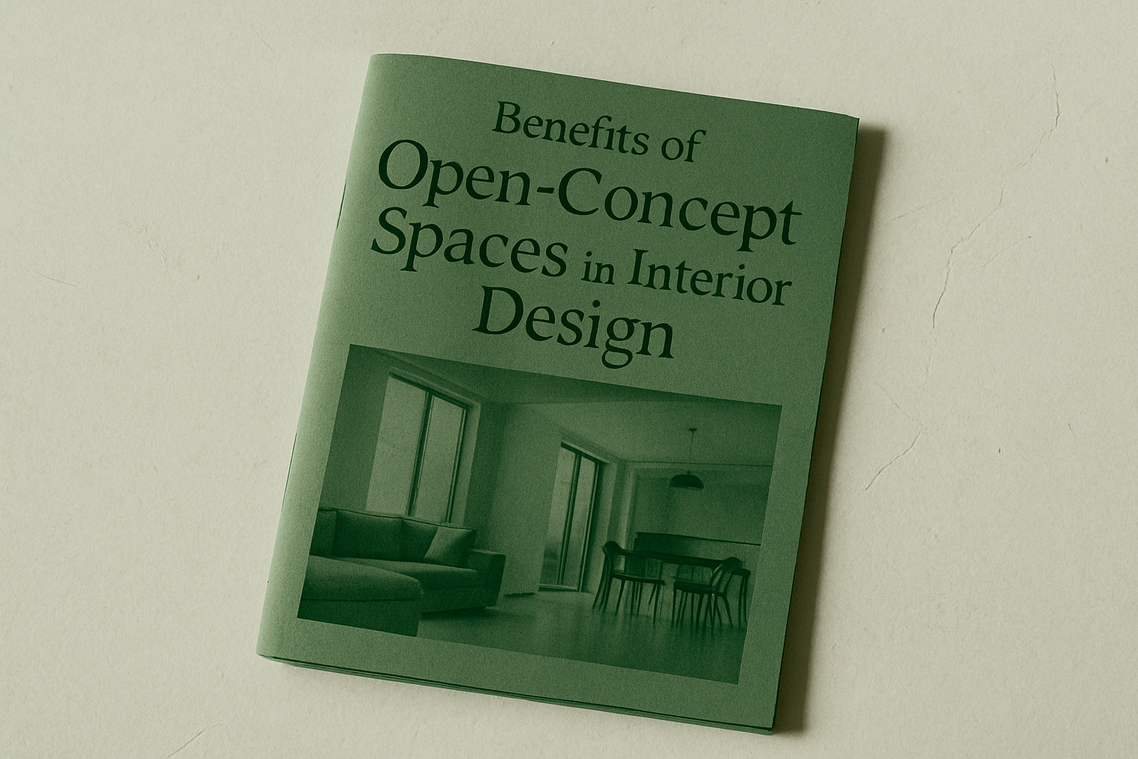
An open floor plan is like a stage without a fixed set. One day it hosts a holiday feast with an extended dining table and extra chairs; the next, it transforms into a cozy movie lounge with a sectional pulled front and center. Nothing is permanent. Furniture becomes movable scenery, shifting as your life shifts (no sledgehammer required). That’s the quiet magic behind open concept living benefits—freedom without renovation.
Creating “Zones” Without Walls
Think of the space as a well-organized suitcase: everything shares one container, but each item has its place. A plush area rug anchors the living zone. A pendant light hovering above the table signals “dining happens here.” A slim console behind a sofa subtly divides lounging from circulation. Even an accent wall in a deeper hue can frame a workspace. Strategic placement creates invisible boundaries that guide movement naturally. Pro tip: repeat one material or color across zones to keep flow seamless while still defining purpose.
The Evolving Home
Life changes, and your layout can too. Today’s play area becomes tomorrow’s homework hub, then later a refined reading nook. The space behaves like a living organism, adapting rather than resisting.
Interior Styling Freedom
Without boxed-in rooms, your home is a blank canvas. Minimalist calm, industrial edge, or layered eclectic charm—all breathe easier here, unrestricted and beautifully cohesive.
Practical Perks for Everyday Living and Resale Value
Open layouts aren’t just trendy—they’re practical. If you’re remodeling or house-hunting, prioritize flow first. Improved traffic flow means you can move from kitchen to living area without squeezing through narrow hallways (no more awkward sidesteps during dinner parties).
For families, this layout is more than aesthetic. Parental peace of mind comes from clear sightlines. You can prep meals, answer emails, and still keep an eye on toddlers building pillow forts in the corner. That kind of everyday visibility is priceless.
When it comes to resale, open concept living benefits often translate into broader buyer appeal. According to the National Association of Home Builders, open layouts consistently rank among top buyer preferences (NAHB).
Here’s what I recommend:
- Remove non-load-bearing walls strategically to maintain structure.
- Use rugs and lighting to define zones without closing space.
- Choose cohesive flooring to enhance visual continuity.
Smart layout choices today can mean faster offers tomorrow.
Designing a Life, Not Just a Layout
You came here to understand how open floor plans do more than change a layout — they change the way you live. Now you can see how removing barriers creates a home that feels brighter, more connected, and naturally adaptable to your daily routines.
At its heart, this is about embracing open concept living benefits — seamless flow, stronger connection, and spaces that evolve with your needs instead of limiting them. If your current layout feels closed off or disconnected, that frustration won’t fix itself.
Take the next step: reimagine one space in your home through an open concept lens and start designing a life that truly supports the way you want to live.