
Searching for open plan living ideas that feel intentional rather than overwhelming? Open layouts promise light, flow, and flexibility—but without the right approach, they can quickly feel undefined or cluttered. This article is designed to help you turn a wide, open space into a cohesive home that balances comfort, function, and visual harmony.
We break down smart layout strategies, styling techniques, and practical setup tips that make open spaces work beautifully for everyday living. From zoning with furniture and lighting to choosing cohesive color palettes and statement pieces, you’ll discover ideas that are both inspiring and achievable.
Our insights are grounded in hands-on interior styling experience, real-world home concept analysis, and carefully tested decor approaches that prioritize both aesthetics and livability. Whether you’re redesigning a large family area or refreshing a compact open-plan layout, you’ll find clear, actionable guidance to create a space that feels connected, stylish, and uniquely yours.
Open-concept spaces promise airiness, but without structure they echo more than they embrace. The fix isn’t shrinking the room; it’s defining it.
Undefined vs. Intentional Layouts
- Sofa floating randomly: feels adrift.
- Sofa anchoring a rug: creates a living “zone.”
Single Overhead Light vs. Layered Lighting
- One fixture: harsh, cavernous glow.
- Pendants, lamps, sconces: warmth and depth.
Some argue walls add clarity. True—but open plan living ideas use bookcases, rugs, and paint shifts to suggest boundaries without blocking light.
Pro tip: repeat one color across zones for cohesion.
Think of it like a movie set—every area has a purpose.
Creating “Invisible Walls”: How to Define Zones
Open layouts feel expansive, yet without structure they can drift into visual chaos. That’s where “invisible walls” come in—design strategies that define functional areas without building physical barriers.
The Power of Area Rugs
First, consider area rugs as anchors. An oversized rug visually separates a living zone from a dining space or kitchen by grounding the furniture arrangement. A common rule: at least the front legs of all major seating pieces should rest on the rug to create cohesion. According to the American Society of Interior Designers, defined zones improve both flow and perceived comfort in shared spaces. In other words, rugs aren’t just décor—they’re spatial cues (and yes, size really does matter here).
Strategic Furniture Grouping
Next, float your furniture. Instead of pushing a sofa against the wall, position it to act as a subtle divider between a seating area and a walkway. This creates an intimate “conversation pit”—a term designers use for seating arranged to encourage interaction. It’s one of the smartest open plan living ideas because it shapes movement naturally.
Architectural Cues
Finally, look up and down. A dropped ceiling beam, a shift from tile to wood flooring, or even a bold accent wall signals transition. Designers predict that mixed materials will dominate future layouts (a speculative but growing trend), blending flexibility with subtle definition.
Choosing Furniture That Unites and Divides
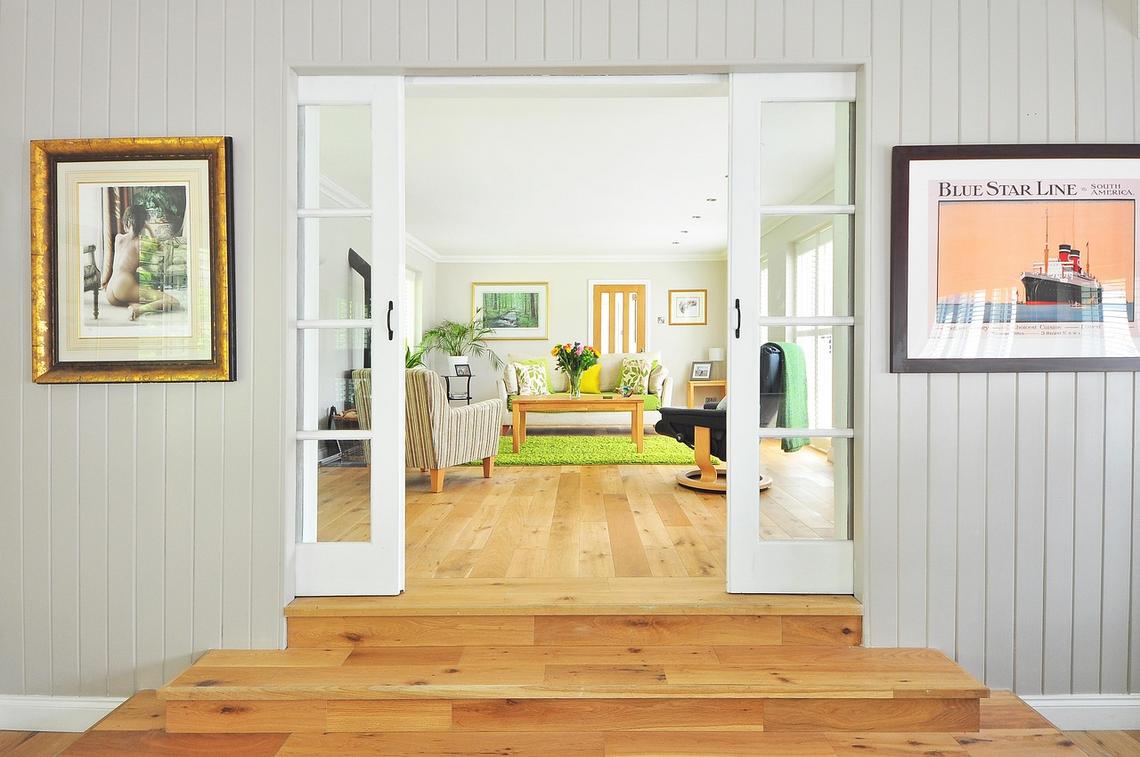
Scale Is Everything
Let’s start with a common frustration: buying furniture that looked perfect in the showroom but feels completely wrong at home. A loveseat that floats awkwardly in a large room. A bulky sectional that swallows every inch of walking space (and somehow still feels cramped). Scale simply means how the size of your furniture relates to the size of your room.
Before you buy, measure everything—walls, walkways, ceiling height. Then map it out with painter’s tape on the floor. It’s not glamorous, but it prevents expensive regret. According to the National Association of Home Builders, open layouts remain one of the most requested features in modern homes (NAHB, 2023). That openness only works if your furniture respects the space.
Multi-Functional Heroes
Next, let’s talk about pieces that earn their keep. In open plan living ideas, flexibility is survival. An ottoman with hidden storage controls clutter. A console table can double as a desk or sit behind a sofa to define zones. A kitchen island with seating becomes a prep station, dining spot, and social hub all at once. (Yes, one piece can wear multiple hats.)
Cohesive, Not Identical
Now here’s another pet peeve: perfectly matched furniture sets that feel like a showroom display. Cohesive means sharing a unifying element—similar wood tones, leg styles, or a consistent color family—without being identical. It feels curated, not copy-pasted.
Consider the Sightlines
Finally, keep sightlines clear. Low-profile sofas and streamlined chairs preserve that open, airy feel. After all, what’s the point of openness if your furniture builds walls?
A Unified Color Palette: Your Secret Weapon
A cohesive space rarely happens by accident. It’s usually built on the 60-30-10 Rule—a simple formula that keeps color from feeling chaotic.
- 60% Dominant Color – typically your walls.
- 30% Secondary Color – upholstery or large furniture.
- 10% Accent Color – pillows, art, decor.
Think of it as A vs. B: random colors in every zone (visually noisy) versus a controlled palette that flows naturally (calm and intentional). In open plan living ideas, that difference is everything.
Start with a light neutral foundation—soft white, warm beige, or pale gray. Neutrals connect living, dining, and kitchen areas seamlessly (like a good playlist transition).
Then weave your 10% accent color through accessories across each zone. Repeating that hue creates visual rhythm without overwhelming the eye.
Worried neutrals feel boring? Texture fixes that. A chunky knit throw, smooth leather chair, and woven rug add depth.
For more layout strategies, explore small home inspiration smart concepts that maximize space.
Layered Lighting: Crafting Ambiance and Function
Light a room well, and it feels intentional; light it poorly, and even great furniture falls flat.
First, ambient lighting sets the foundation. Recessed cans spaced 4–6 feet apart, slim LED flush mounts, or a centered chandelier distribute overall illumination. This base layer reduces harsh shadows and makes open plan living ideas feel cohesive, especially when bulbs share a consistent color temperature around 2700–3000K.
Next, task lighting adds precision. Pendant lights hung 30–36 inches above a kitchen island, an adjustable arc lamp beside the sofa, or low-profile under-cabinet strips sharpen focus where you chop, read, or work. The benefit? Fewer eye strain complaints and more usable surfaces.
Finally, accent lighting brings personality. Track heads angled at artwork, a slender floor lamp brightening a dark corner, or wall sconces framing a doorway create contrast and depth. Install dimmers on every layer for tailored control; shifting brightness lets you move from dinner-party sparkle to movie-night calm in seconds. Think of it as staging your home’s mood board—only brighter.
When layers work together, rooms look larger, colors read truer, and everyday routines feel effortlessly elevated, proving that smart lighting is both practical and transformative. Truly worth planning.
You now have the core strategies to handle the quirks of an open-concept layout. By defining zones with 8×10 area rugs, placing a 72-inch console behind the sofa, and layering LED lighting for warmth, you dissolve that empty cavern feeling. In other words, structure creates comfort.
Admittedly, some argue walls provide acoustics and privacy. Fair point. However, shelving units and upholstered panels absorb sound while preserving sightlines (and sanity). These features work because they add rhythm without shrinking footage.
Start small: anchor one zone with art or a rug inspired by open plan living ideas, then build outward beautifully.
Bringing Your Space Together with open plan living ideas
You started this guide looking for practical, inspiring ways to make your open space feel cohesive, functional, and beautifully styled. Now you have the strategies to define zones, balance layout, layer lighting, and tie everything together with intention.
An open layout can quickly feel cluttered, echoey, or disconnected without the right approach. That frustration of a space that looks unfinished or lacks flow is exactly what thoughtful planning solves. With the right furniture placement, consistent color palettes, and purposeful decor choices, your home can feel expansive yet intimate at the same time.
Don’t let your space fall flat after all this inspiration. Take one area today—your seating zone, dining setup, or entry transition—and apply one of these ideas immediately. If you want more step-by-step styling guidance, practical setup tips, and expertly curated decor inspiration trusted by thousands of home enthusiasts, explore more of our in-depth resources now and start transforming your space with confidence.