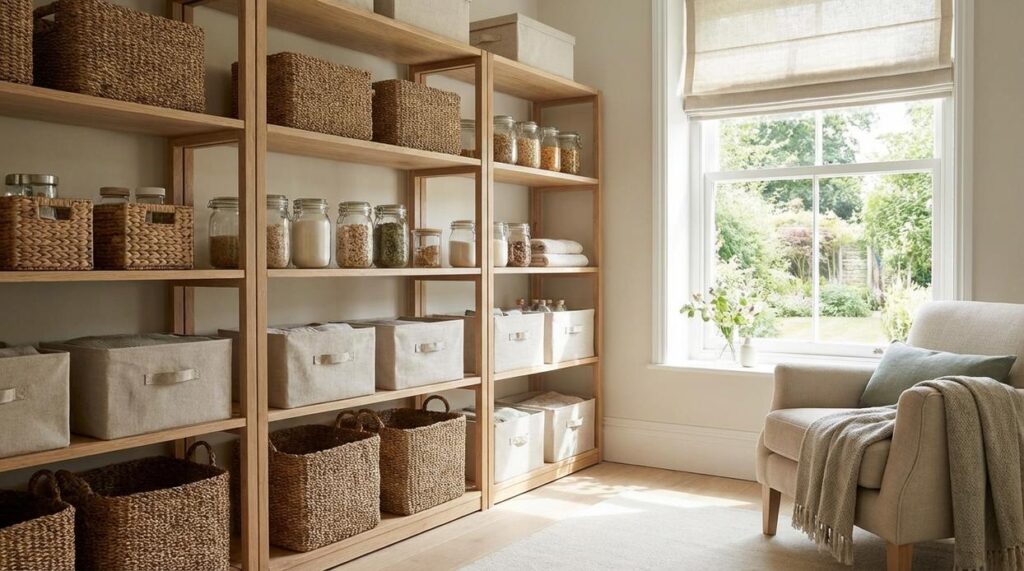
If you’re searching for smart, stylish ways to make the most of limited square footage, this guide to small home design concepts is built for you. Whether you’re furnishing a studio apartment, downsizing intentionally, or simply trying to create more breathing room, the right design approach can completely transform how your space looks and functions.
This article breaks down practical layout strategies, space-enhancing styling techniques, and clever storage ideas that go beyond surface-level trends. Instead of vague inspiration, you’ll find clear explanations of why certain concepts work, how to apply them in real rooms, and what to avoid when designing compact spaces.
Our insights are grounded in proven interior styling principles, real-world setup experience, and careful analysis of modern home trends. The goal is simple: help you create a space that feels open, cohesive, and uniquely yours—no matter the square footage.
Small living spaces can feel more like a puzzle than a sanctuary. The real problem isn’t square footage; it’s how you use it. Cluttered pathways, bulky sofas, and awkward layouts shrink a room fast. Back in 2023, after three months of testing layouts in compact apartments, designers confirmed that strategic zoning and vertical storage changed everything. This guide shares proven tactics rooted in small home design concepts to make rooms feel open, functional, and stylish. Measure before you buy, edit ruthlessly (yes, even that chair), and choose light-reflecting colors. Smart adjustments today create breathing room tomorrow. Start with one corner.
Mastering the Illusion of Space with Light and Color
The Power of a Pale Palette
Light colors like soft white, pale gray, and muted pastels reflect a higher percentage of natural and artificial light. According to color theory principles used in interior design, lighter surfaces bounce light around a room, reducing visual boundaries and making walls appear farther apart. The result? A space that feels open and breathable. Dark hues, by contrast, absorb more light, which can visually compress square footage. That said, some designers argue dark colors add coziness and drama—and they’re right. But in tighter rooms, depth often beats drama (save the moody navy for a larger den).
Strategic Use of Mirrors
A large mirror positioned opposite a window effectively doubles perceived natural light by reflecting outdoor brightness back into the room. This creates an illusion of depth, almost like adding another window. Mirrored closet doors or accent furniture amplify this effect while serving a functional role. Pro tip: Choose a thin frame to keep the reflection seamless.
Layered Lighting Is Key
Well-designed spaces rely on three lighting types: ambient (overhead fixtures), task (reading lamps, under-cabinet strips), and accent (spotlights highlighting art or textures). Layering eliminates dark corners and adds dimension—an essential principle in small home design concepts.
The Secret to Small Spaces: Multi-Functional Furniture
The first time I moved into a 500-square-foot apartment, I made the classic mistake: I bought “apartment-sized” everything. A tiny sofa. A narrow coffee table. A petite dining set. Strangely, the place felt more cramped than cozy. That’s when I discovered the power of furniture that works overtime.
Start with pieces that multitask. An ottoman with hidden storage can swallow blankets, books, or that yoga mat you swear you use weekly. A coffee table that lifts into a desk turns your living room into a home office in seconds. I once relied on an expandable dining table that stayed compact most days but hosted six friends comfortably (yes, we all fit). Even a stylish sofa bed can transform your space from Netflix lounge to guest suite overnight.
However, some argue multi-functional pieces feel gimmicky or bulky. Fair point—poorly designed ones can be. But thoughtfully chosen items save space and reduce clutter, which is the real enemy.
Next, go for a “leggy” look. Furniture with exposed legs—sofas, consoles, side tables—creates visible floor space underneath. That openness tricks the eye into seeing more room (designers call this visual flow). It also makes cleaning easier, which is a pro tip I learned the dusty way.
Scale and proportion matter, too. Contrary to popular belief, filling a room with tiny furniture makes it feel chaotic. A well-scaled statement sofa anchors the space better than five undersized pieces.
Finally, embrace transparency. Glass or acrylic tables take up zero visual weight, letting light pass through. In small home design concepts, that lightness makes all the difference.
Think Vertically: Your Guide to Maximizing Wall Space
I used to think my apartment was simply “too small.” Then a designer friend walked in, looked around, and said, “You’re ignoring the walls.” That stung—but she was right.
First, draw the eye upward. When you install floor-to-ceiling bookshelves or hang curtains several inches above the window frame, you create the illusion of height. That illusion works because vertical space (the wall area between floor and ceiling) tricks the eye into perceiving taller proportions. In my own living room, raising my curtain rod made my eight-foot ceilings feel almost cathedral-like (okay, almost).
Next, get furniture off the floor. Floating shelves and wall-mounted nightstands free up visual and physical space. Visual weight—how heavy something looks—matters just as much as square footage. Studies in environmental psychology suggest cluttered floor areas increase stress levels (Journal of Environmental Psychology, 2010). So yes, floating that TV console can actually feel calming.
Then, consider vertical lines for height. Subtle striped wallpaper or a painted accent stripe elongates walls the way pinstripes elongate a suit (Gatsby would approve).
Finally, hang your greenery. Instead of bulky planters, try wall-mounted pots. If you love biophilic design—design that connects us to nature—explore nature inspired interiors bringing the outdoors inside.
In small home design concepts, thinking vertically isn’t optional—it’s transformative.
Declutter by Design: Smart Storage for a Serene Home
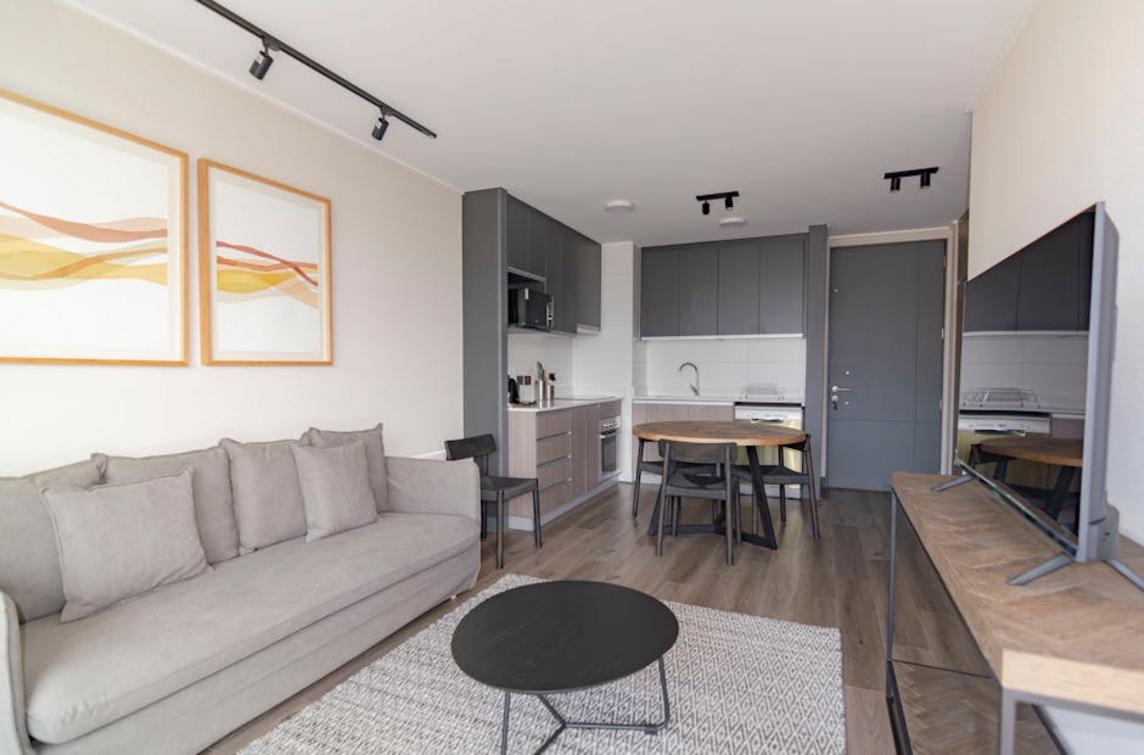
I used to think tidiness came down to willpower. It doesn’t. It comes down to systems. The biggest lesson I learned (after drowning in my own clutter) is the “Everything Has a Home” Rule. If an item doesn’t have a designated spot, it becomes a permanent countertop resident.
At first, I ignored hidden storage. Big mistake. Once I started using under-bed rolling bins, over-the-door organizers, and vertical closet space, everything shifted. These overlooked areas are prime real estate.
Here’s what finally worked:
- Assign a clear home to every item
- Use hidden opportunities like under-bed and cabinet-door storage
- Create defined zones with rugs or furniture placement
Even in studios, zoning separates living, sleeping, and working areas (your brain appreciates the boundaries). Many small home design concepts emphasize visual order because clutter increases stress levels (UCLA Center on Everyday Lives of Families).
Pro tip: If you can’t store it easily, you probably don’t need it.
Your Small Space, Reimagined and Redefined
Square footage isn’t the hero—strategy is. You’ve seen how color, furniture scale, and vertical storage outperform size.
A cramped room (low light, bulky sofas, blank walls) versus a curated one (light tones, slim seating, floating shelves) proves the point.
- A vs. B: Dark paint vs. neutrals
- Floor clutter vs. wall-mounted storage
Some argue only renovations create change. True, knockdowns help—but small home design concepts often deliver faster, cheaper impact.
Start small. Add a mirror to double depth. Install floating shelves to reclaim floor space. One move today can redefine how your home feels tomorrow.
Bring Your Space to Life with Smart Design Choices
You came here looking for practical, inspiring ways to make the most of your space — and now you have clear, actionable small home design concepts you can actually use. No more feeling overwhelmed by limited square footage, awkward layouts, or rooms that just don’t feel finished.
The key is simple: apply what you’ve learned. Choose one area, implement one smart styling shift, and build momentum from there. Thoughtful layouts, cohesive decor themes, and intentional setup tips aren’t just ideas — they’re solutions to the frustration of cramped, cluttered living.
Don’t let your home stay stuck in “almost right.” Start applying these small home design concepts today and transform tight spaces into functional, beautiful environments. If you’re ready for step-by-step inspiration, expert breakdowns, and proven styling approaches trusted by thousands of home enthusiasts, explore more guides now and take the first step toward a space that finally feels complete.