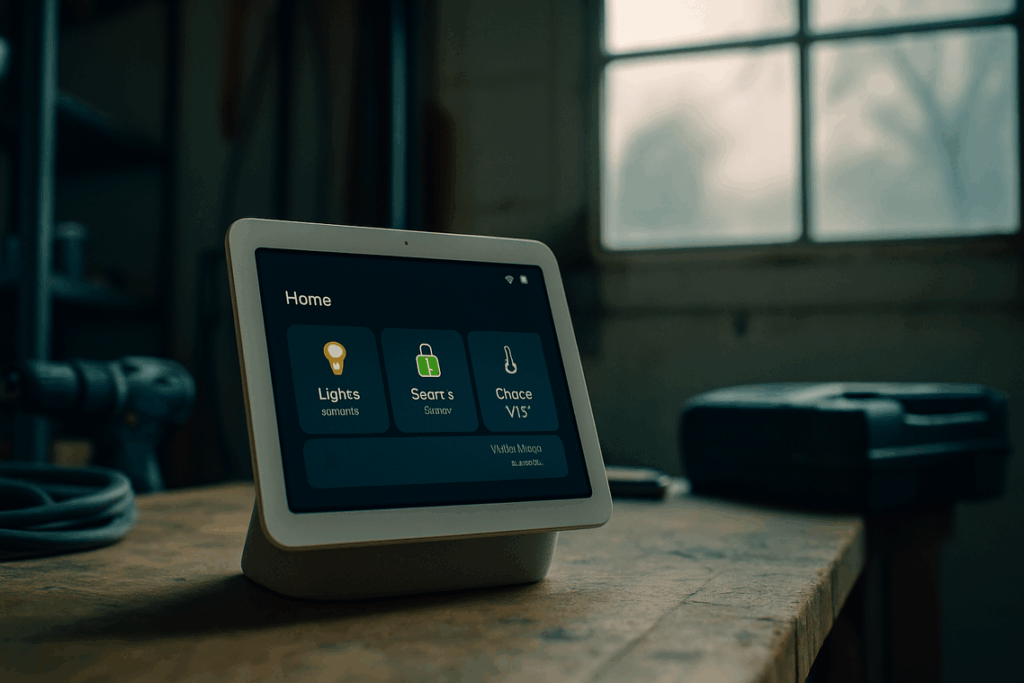
If you’re searching for practical ways to make your home feel more organized, functional, and visually cohesive, you’re in the right place. Modern living demands spaces that work smarter—not harder—and that’s where smart home storage solutions come in. This article is designed to help you discover creative storage concepts, space-saving layouts, and styling techniques that enhance both form and function.
We’ll break down actionable ideas you can apply immediately, whether you’re working with a compact apartment or a spacious home that still feels cluttered. From multipurpose furniture to hidden storage integrations and room-by-room organization strategies, every recommendation is grounded in practical interior styling principles and real-world usability.
Our insights are based on in-depth research into current home design trends, proven organization methods, and expert-backed layout strategies. By the end, you’ll have clear, achievable ideas to transform everyday spaces into streamlined, inspiring environments that truly support your lifestyle.
Reclaiming Your Space with Smart, Integrated Storage
Smart homes promise simplicity, yet somehow we end up with tangled cables, blinking hubs, and chargers colonizing every outlet. It’s frustrating when the very tech meant to streamline life creates visual noise.
This guide goes beyond basic cable clips and baskets. We focus on smart home storage solutions that blend devices into your décor, so your living room doesn’t look like a server closet.
Because organization isn’t just about aesthetics: clutter can block signals, overheat equipment, and make troubleshooting a nightmare.
Expect practical, actionable ideas like:
- Hidden charging drawers
- Built-in media niches
Evolving Traditional Furniture for a Tech-Centric World
The Modern Media Console
The media console is no longer just a platform for your TV—it’s COMMAND CENTRAL. Today’s best designs include built-in ventilation systems, which use rear perforations or whisper-quiet cooling fans to prevent gaming consoles and AV receivers from overheating (a real concern, since heat buildup can shorten electronics lifespan according to Energy Star guidelines).
Look for:
- IR-repeater-friendly doors made of tinted glass or acoustic fabric, allowing remote signals to pass through closed cabinets
- Deep cabinet compartments (16–20 inches) to house network switches, hubs, and oversized receivers
- Rear access panels for tool-free maintenance
The benefit? A clean façade with zero signal frustration. (Because nobody wants to stand up and open a cabinet just to pause a movie.)
Intelligent Bookshelves and Cabinets
Classic shelving can be retrofitted with integrated LED light strips—ideally 2700K–3000K for warm ambient glow—to highlight décor while improving visibility. Add hidden USB-C charging ports (up to 100W for laptops) and discreet wireless charging pads embedded beneath wood veneers.
For valuable tech, biometric smart locks provide fingerprint-secured compartments—practical security without bulky hardware. These upgrades transform traditional pieces into true smart home storage solutions while preserving timeless craftsmanship.
Cable Management as a Design Feature
Cable chaos doesn’t have to ruin a room’s aesthetic. High-end braided cable sleeves, magnetic cable holders mounted under desks, and furniture with built-in raceways turn wiring into an intentional design line rather than a tangled afterthought.
Pro tip: Match cable sleeve color to wall paint for a near-invisible effect.
When thoughtfully integrated, technology becomes INVISIBLE—but its convenience remains front and center.
Creating a Centralized Smart Home Command Center
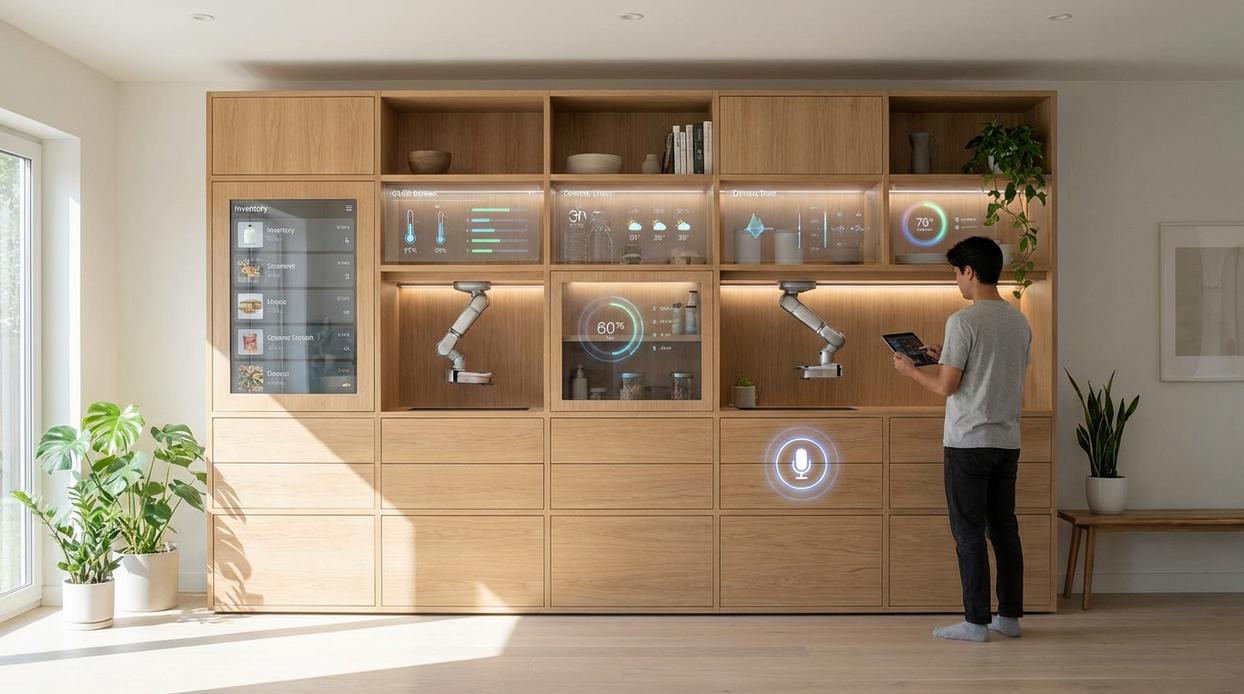
A smart home is convenient—until your router blinks red, three hubs are tangled in a drawer, and your Wi‑Fi dies mid-Netflix finale. The solution? A centralized command center designed with INTENTION.
The “Tech Closet” Concept
Convert a small closet or pantry into a dedicated hub for your modem, router, and smart bridges (devices that connect Zigbee or Z-Wave products to Wi‑Fi). Add:
- A wall-mounted rack or structured panel
- Labeled patch panels for Ethernet runs
- Quiet ventilation fans for THERMAL MANAGEMENT
Heat is the silent killer of electronics (yes, even the expensive mesh system). According to Energy Star, excess heat reduces device lifespan and performance. Some argue a closet traps heat and worsens airflow. That’s true—if you ignore ventilation. With intake vents and an exhaust fan, you create controlled airflow that open shelving simply can’t match. Pro tip: install a smart temperature sensor inside the closet to monitor spikes.
In-Wall Storage Solutions
Recessed media boxes and structured wiring enclosures hide hardware between studs for a seamless look. Competitors talk aesthetics; few mention signal integrity. Keeping low-voltage cables separated from power lines reduces interference and improves reliability. Clean wall. Clean signal. WIN-WIN.
Surface-Level Organization
For high-traffic zones like kitchens and entryways, use:
- Dedicated charging valets with hidden cable channels
- Drawer-based USB hubs
- Slim countertop docks to reduce visual clutter
Think of it as smart home storage solutions with purpose, not just concealment. If you’re starting fresh, revisit your layout strategy with this step by step guide to planning your first apartment layout. Because a truly smart home isn’t just connected—it’s controlled.
The Art of Concealment: Hidden and Multi-Functional Storage
Clutter is loud. Good design is quiet. The goal isn’t to own less—it’s to see less (there’s a difference). With a few practical adjustments, you can transform everyday furniture into discreet command centers.
Multi-Purpose Furniture is your first move. An ottoman with hidden storage can hold game controllers, VR headsets, or charging cables. A lift-top coffee table with a built-in power strip keeps laptops powered without cords snaking across the floor. Some end tables even conceal a smart speaker or compact subwoofer behind acoustic fabric—think of it as the Clark Kent of furniture. Pro tip: Measure ventilation needs before enclosing electronics to prevent overheating (Consumer Product Safety Commission guidance recommends airflow around powered devices).
Next, tackle Undercover Cable Routing. Start by mapping where each cord actually needs to go. Then:
- Use color-matched raceways along baseboards.
- Tuck flat extension cords beneath rugs with non-slip pads.
- Install furniture risers with built-in cable channels for desks and media consoles.
As a result, wires visually disappear without sacrificing access.
Finally, Leverage Vertical and Unused Spaces. Wall-mounted docks keep robotic vacuums, tablets, and handhelds off counters. Meanwhile, the space behind a wall-mounted TV is perfect for mounting Apple TV or Roku devices using adhesive brackets. Inside cabinet doors, attach slim organizers for remotes or small hubs.
Incorporating smart home storage solutions ensures every device has a designated, concealed home—so your space feels intentional, not improvised.
Your Blueprint for an Organized and Efficient Home
Let’s recap the three strategies that actually move the needle. First, adapt classic furniture—armoires, sideboards, and benches can discreetly house routers, consoles, and hubs (yes, even that blinking modem). Second, centralize core hardware so cables, power strips, and backup drives live in one ventilated zone. Third, embrace multi-functional, hidden solutions that blend tech into everyday décor instead of fighting it.
Some argue organization is cosmetic—that a few visible wires don’t matter. But clutter traps heat, shortens device lifespan, and complicates upgrades (dust is not your equipment’s friend). Thoughtful smart home storage solutions protect your investment and let automation run smoothly.
What competitors rarely mention? Ventilation gaps, labeled cable mapping, and upgrade space planning—small details that prevent costly rewiring later.
Your next step:
- Perform a one-room tech audit.
- Identify the biggest storage pain point.
- Apply one fix today.
Immediate improvement builds momentum. (And momentum builds beautifully organized homes.)
Bring Order and Style Into Every Corner of Your Home
You came here looking for practical, stylish ways to make your space feel more organized and intentional—and now you have the ideas to do exactly that. From rethinking unused corners to choosing pieces that serve both form and function, you’ve seen how thoughtful design can completely transform the way your home works for you.
Clutter isn’t just visual—it creates stress, wastes time, and makes your home feel smaller than it is. The good news? With the right approach and smart home storage solutions, you can take back control of your space without sacrificing personality or comfort.
Now it’s time to act. Start with one room, one problem area, or even one drawer. Apply the strategies you’ve learned and build momentum from there. If you’re ready for step-by-step guidance, curated inspiration, and expert-backed ideas that actually work in real homes, explore more of our proven concepts and practical breakdowns today.
An organized, beautifully styled home isn’t out of reach—it starts with one smart decision. Take that step now and transform your space into something that truly works for you.