Looking to refresh your space with ideas that feel intentional rather than overwhelming? This article is designed to help you discover smart, stylish home concepts that bring personality and balance into every room. Whether you’re exploring new interior styling approaches, experimenting with Thom-focused decor themes, or searching for practical setup tips that actually work in real homes, you’ll find clear, actionable guidance here.
Many homeowners struggle to turn inspiration into a cohesive look. We break down the “why” behind great design choices—how to pair textures, position furniture for flow, and incorporate statement home decor pieces without cluttering your space. Every recommendation is grounded in hands-on styling experience, trend analysis, and proven layout principles used by design professionals.
By the end, you’ll have a clearer vision for your home and the confidence to apply ideas that elevate your space in a way that feels authentic, functional, and visually striking.
Beyond the Big Box: Infusing Your Home with True Personality
Mass-produced rooms look polished, but they rarely feel personal. When you swap catalog sameness for meaningful finds, you gain a space that energizes you daily (and sparks better conversations).
Start with:
- Vintage heirlooms that carry history
- Local art that reflects your community
- Travel souvenirs with a story
These statement home decor pieces anchor a room and instantly set you apart.
The payoff? Authenticity, stronger emotional connection, and a home that evolves with you—not trends. Thoughtful sourcing also saves money long term by prioritizing lasting quality over disposable fads over time.
The Power of Texture: Handcrafted Ceramics and Artisanal Textiles
Texture, in design terms, refers to the surface quality of an object—how it feels or appears to feel. And in my opinion, it’s the secret ingredient that keeps a room from looking flat and forgettable. Smooth ceramics paired with rough clay finishes or woven fibers create visual depth, which simply means your eye has more layers to explore. According to design psychology research from the University of British Columbia, tactile variety can increase feelings of warmth and comfort in a space.
When it comes to ceramics, I always prefer handmade over mass-produced. There’s something about an asymmetrical vase or a slightly imperfect serving bowl that feels alive (perfection is overrated). Local artisan markets and curated online platforms are excellent sources for textured planters or one-of-a-kind pieces that double as statement home decor pieces.
For styling, group ceramics of varying heights and finishes on a console table. The contrast makes the arrangement feel intentional rather than accidental.
Meanwhile, textiles deserve equal attention. Instead of basic pillows, try a hand-dyed tapestry, a block-printed table runner, or a chunky knit throw. Functional, yes—but also art you can actually touch.
The Art of Illumination: Lighting as Sculptural Decor
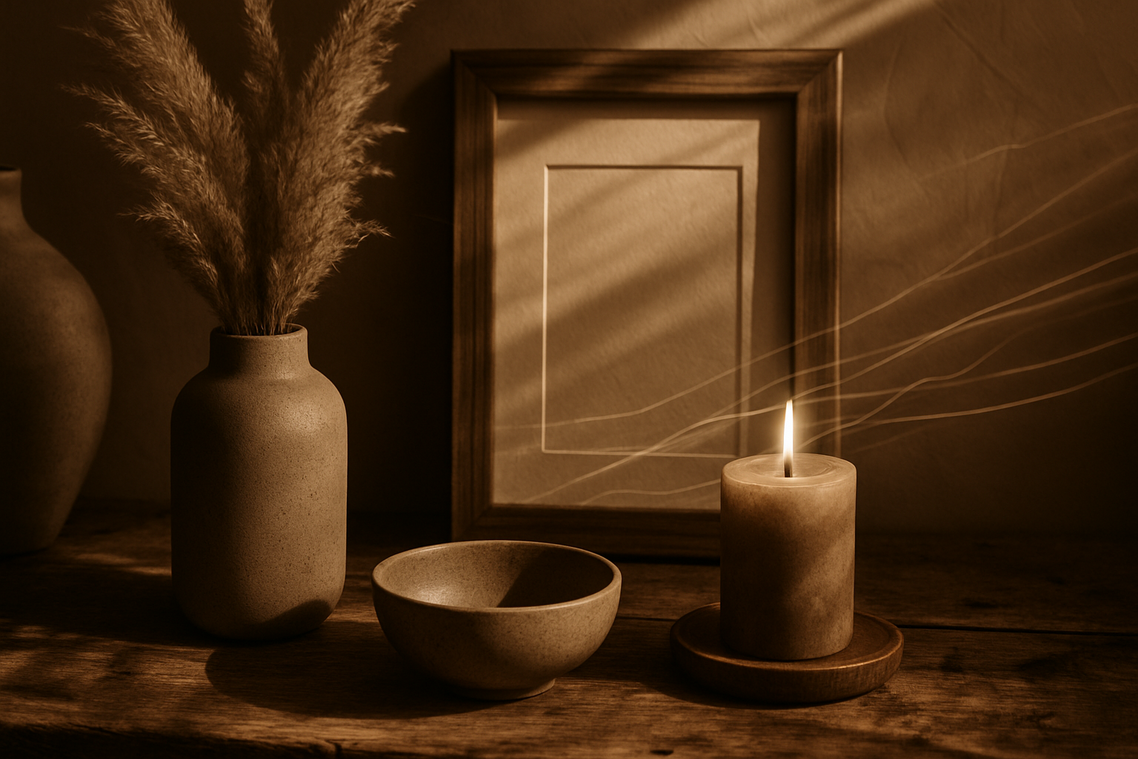
Lighting is often treated as pure function, but it can act as art. Think of it as sculpture that just happens to glow.
Arc lamps vs. tripod lamps offer a clear contrast. An arc lamp with a marble base sweeps dramatically over a sofa, creating hotel-lobby polish. A reclaimed-wood tripod lamp, on the other hand, feels grounded and earthy (like a cabin cameo in a city loft). Both work, but the mood shifts: sleek vs. soulful. Paper lanterns add softness, while minimalist metal shades sharpen edges.
Now consider pendants. A single, oversized fixture centered above a dining table commands attention more effectively than a cluster of small lights. Hand-blown glass feels fluid and expressive; woven rattan leans organic and coastal; matte black metal reads modern and restrained. This is where statement home decor pieces earn their place.
Some argue recessed lighting is cleaner and less risky. True, it disappears. But disappearance rarely creates atmosphere (unless you’re lighting a hospital corridor). Sculptural fixtures, especially on dimmers, let you shift from bright brunch to low-lit dinner with a slide.
Pro tip: install dimmer switches to control intensity and highlight texture, shadow, and silhouette beautifully.
Curating Your Story: The Magic of Vintage and Found Objects
The Soul of Secondhand
Vintage decor (items at least 20 years old) carries patina—the natural wear that forms over time. That subtle fading or worn edge? It’s proof of life. Compare that to brand-new pieces: pristine, yes, but often impersonal. A factory-made mirror reflects your room; an antique mirror reflects decades of stories. Some argue new items are more reliable—and they can be—but character rarely comes shrink-wrapped (unless you count a movie prop from Mad Men).
What to Look For
Instead of hunting rare collectibles, start simple:
- Ornate antique mirrors
- Vintage maps or botanical prints
- Old wooden crates for storage
- Colored glass bottles grouped together
These statement home decor pieces add depth instantly.
Styling Approach
Now, balance is key. Modern sofa vs. antique crate. Sleek lighting vs. aged brass frames. Old + new prevents a space from feeling like a museum—or a showroom. For color harmony, revisit a beginners guide to using accent colors effectively. In the end, curated always beats coordinated.
Living Art: Biophilic Design and Unconventional Greenery
More Than Just a Potted Plant
Biophilic design—the practice of integrating natural elements into interiors—goes beyond a lonely ficus in the corner. It’s about shaping spaces that echo forests, shorelines, and open air. Think living walls layered with mounted staghorn ferns, sculptural air plant holders, or glass vessels lined along a sunlit windowsill for propagation.
• Create vertical gardens as statement home decor pieces.
• Suspend air plants at varying heights for movement.
Beyond the living, incorporate large-scale dried branches, collected stones, shells, or preserved moss art. Speculation: As urban homes shrink, designers will increasingly favor immersive, nature-first interiors over purely minimalist schemes. Some argue greenery is high-maintenance, yet drought-tolerant species and preserved botanicals counter that claim. The future may blur indoors and outdoors entirely. Expect smart irrigation and modular walls to make adoption easier than ever. For renters and renovators alike.
The Conversation Starter begins with a clear focal point. A statement piece is the item that instantly draws the eye and signals your style. Think of statement home decor pieces as the room’s headline act (every stage needs one).
To choose yours, start here:
- Go big on scale: an oversized abstract canvas from a local artist.
- Play with color: a uniquely shaped accent chair in a vibrant hue.
- Embrace the unexpected: a large, unconventional sculpture.
Next, give it breathing room. Avoid clustering other bold items nearby. Finally, test placement, step back, and adjust until it commands attention.
From House to Haven: Start Your Style Story Today
I remember standing in my first apartment, staring at beige walls and feeling nothing. It looked fine. It just wasn’t me. That’s when I realized a home becomes meaningful through intentional choices, not random purchases.
You now have a framework for choosing decorative items that are personal, not generic. By layering texture, adding unique lighting, hunting for vintage finds, and incorporating living art, you escape the cookie-cutter look (the showroom vibe).
Start small. Choose statement home decor pieces—a ceramic vase or vintage print—and build outward. Your home is your canvas. Today.
You came here looking for clarity on how to bring intention, personality, and cohesion into your space—and now you have a clear path forward. By understanding how statement home decor pieces anchor a room, define mood, and guide styling choices, you’re better equipped to transform any area from ordinary to unforgettable.
The real challenge isn’t finding decor—it’s knowing how to choose pieces that truly reflect your taste without overwhelming the space. When your home feels disjointed or uninspired, it affects how you relax, host, and live day to day. Thoughtful design fixes that.
Bring Your Vision to Life
Now it’s time to act. Start by identifying one area in your home that feels incomplete. Choose one impactful element from the ideas you’ve explored and build around it with confidence. Focus on balance, proportion, and intention.
If you want expertly curated inspiration, practical styling breakdowns, and proven decor strategies trusted by design enthusiasts, explore more of our in-depth guides today. Don’t let your space stay “almost there.” Take the next step now and create a home that feels unmistakably yours.