
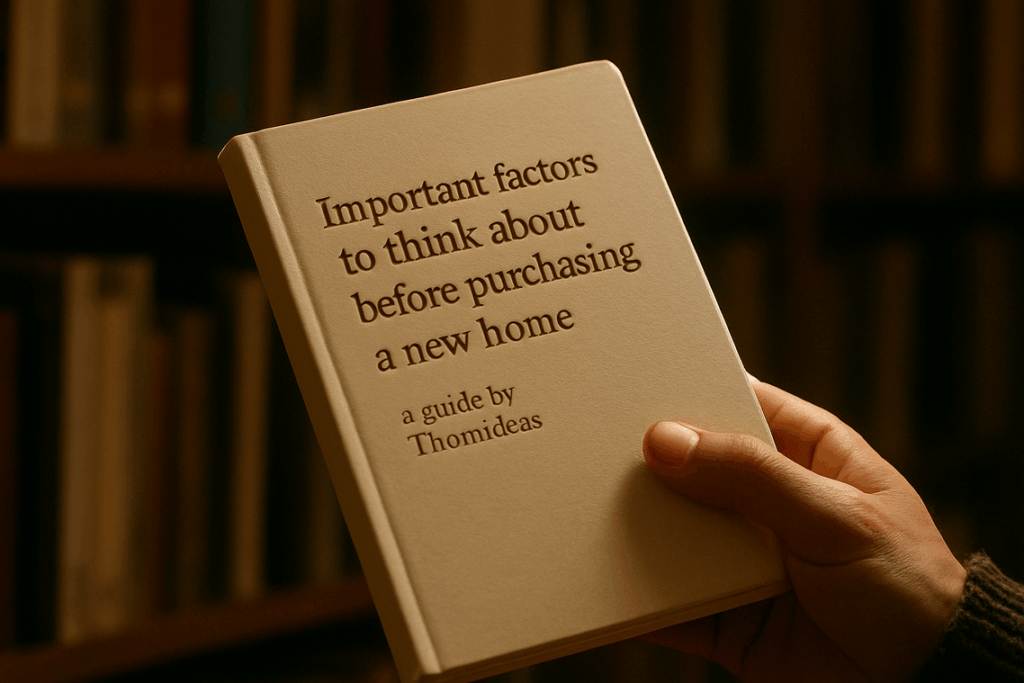
I’ve seen too many people fall in love with a house during a showing, only to regret it six months after moving in.
You’re probably scrolling through listings right now, trying to figure out what actually matters beyond granite countertops and fresh paint. The staging looks perfect. But will this place work for your real life?
Here’s the truth: most buyers focus on the wrong things. They get distracted by cosmetic details while missing the structural and layout issues that will frustrate them every single day.
I’m going to show you what to consider before buying a home ththomideas that goes deeper than the standard inspection checklist.
This isn’t about finding a perfect house. It’s about finding the right house for how you actually live. The one that fits your routines, supports your habits, and adapts as your life changes.
You’ll learn which features matter for long-term happiness and which questions to ask before you sign anything. We focus on how a home’s bones and layout affect daily living, not just how it photographs.
By the end, you’ll know exactly what to look for when you walk through that next showing.
Beyond Curb Appeal: Assessing a Home’s Foundational ‘Bones’
I’ll be honest with you.
Most people walk into a home and fall in love with the wrong things.
Fresh paint. New countertops. That trendy light fixture in the dining room.
But here’s what I’ve learned after years of looking at homes. Those pretty touches? They’re easy to change. What you really need to worry about are the bones.
Start with the roof. I don’t care how nice the kitchen looks if you’re going to need a $15,000 roof replacement in two years. Ask about the age. Look for missing shingles or sagging spots. A roof should last 20 to 30 years depending on the material.
Walk the foundation too. Get down in the basement or crawl space if there is one. Cracks happen, sure. But big cracks or water stains? That’s your wallet screaming at you to walk away.
Windows matter more than people think. Stand next to them and feel for drafts. Check the seals between the panes. Foggy glass means the seal failed and you’re looking at replacements.
Now let’s talk about flow.
Walk from the garage to the kitchen like you just bought groceries. Does it make sense? Or are you hauling bags through three rooms and up a flight of stairs?
I’m big on this. A home should work with your life, not against it. Is there a spot near the door where you can drop your keys and mail without cluttering the dining table? These small things add up every single day.
Here’s my take on what to consider before buying a home Ththomideas. Check the big three systems before you get emotionally attached.
HVAC first. How old is the furnace? The AC unit? Anything over 15 years and you’re on borrowed time. Look for rust or weird noises.
Plumbing next. Open every cabinet under every sink and look up. Water stains mean leaks. Old galvanized pipes? Budget for replacements.
Electrical last. Pop open the panel box. Does it look like something from 1970? Can it handle your home office setup or an EV charger? Most older panels can’t.
(I once saw a house with beautiful hardwoods and granite counters. The electrical panel had scorch marks. Hard pass.)
You can always paint walls or swap out fixtures later. But replacing a foundation or rewiring a house? That’s the kind of money that changes your whole financial picture.
Focus on the bones first. Everything else is just decoration.
If you want more practical setup guidance, check out how to set up training room ththomideas blockbyblockwest for space planning ideas that actually work.
Envisioning Your Lifestyle: Evaluating Interior Potential
You walk into a house and immediately start picturing your couch against that wall. Your dining table near the window. Your life unfolding in these rooms.
But here’s what most people miss.
They fall in love with the idea of a space without really understanding how it’ll work for them day to day.
Some real estate experts say you should ignore the current decor and just focus on bones. They’re right about not getting distracted by someone else’s taste. But they often skip the part about how to actually evaluate what those bones mean for your life.
Let me show you what to consider before buying a home ththomideas that’ll help you see past the staging.
Mastering Natural Light
I always check which way the windows face first.
South-facing windows? You’ll get consistent light all day. North-facing? Cooler and more even (great if you hate glare on your laptop screen). East gives you morning sun. West hits hard in the afternoon.
Walk through the space at different times if you can. Morning light feels completely different than 4 PM light. This isn’t just about ambiance. It affects your energy bills and whether your plants will actually survive.
The ‘Blank Canvas’ Test
Look at the floors, walls, and ceilings like they’re your foundation.
Are they neutral enough that you can work with them? Or will you need to rip everything out to make the space feel like yours?
There’s a big difference between painting walls (cosmetic) and replacing flooring throughout (major renovation). One costs you a weekend. The other costs you months and thousands of dollars.
Understanding Scale and Proportion
Bring a measuring tape. I’m serious.
That couch you love might look ridiculous in a room that’s two feet narrower than your current living room. Your king bed might leave you with six inches of walking space on each side.
Download a simple room planning app before you visit. Punch in the dimensions. See if your life actually fits.
The Hidden Value of Smart Storage
Everyone counts closets. But that’s just the start.
Look for spots where you could add built-in shelving later. Check if there’s a pantry (not just kitchen cabinets). See if there’s a mudroom or entry area where coats and shoes won’t pile up in your living space.
Good storage means you’re not constantly fighting clutter. It means your home stays livable instead of turning into a maze of stuff you can’t put away.
The benefit? You’ll know within the first year whether you made a smart choice or bought someone else’s dream that doesn’t fit your reality.
The Full Picture: Vetting the Neighborhood and Future-Proofing Your Purchase
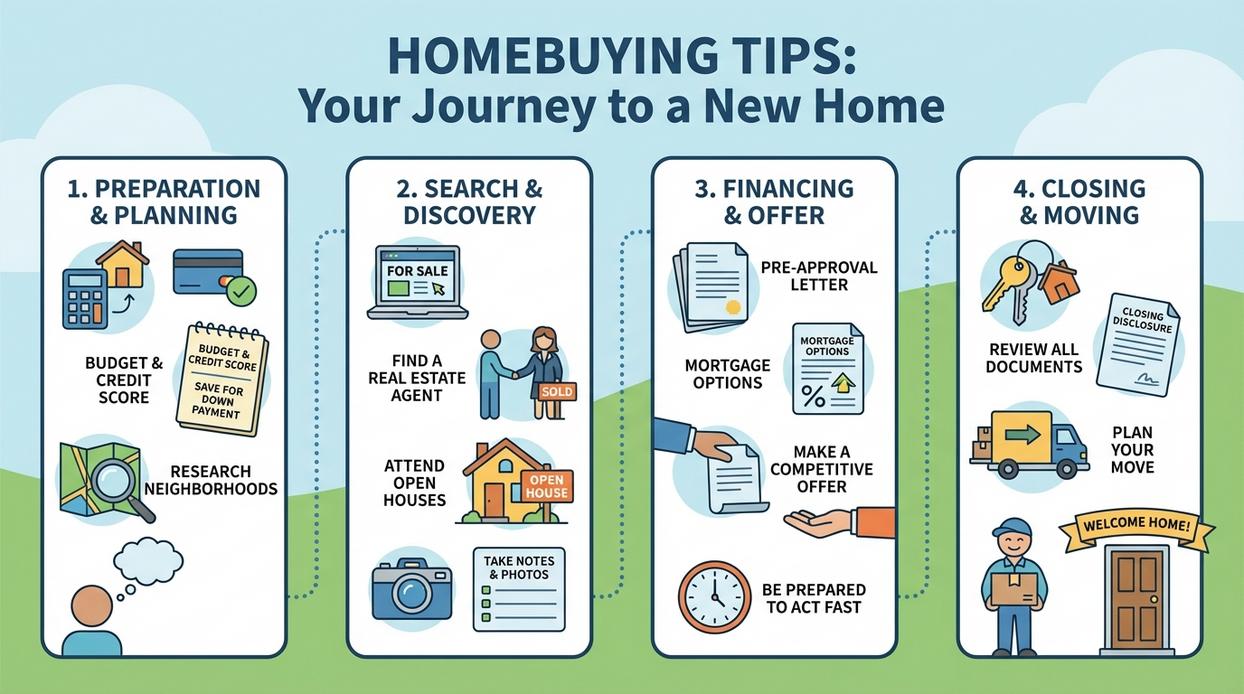
Here’s what most people get wrong about buying a home.
They fall in love with the house and forget about everything around it.
I see this all the time. Someone finds a place with the perfect kitchen and hardwood floors. They make an offer that same day. Then six months later, they realize the train that runs behind the property wakes them up at 5 AM every morning.
Some experts will tell you that you can always change the house but never the location. They say if the neighborhood isn’t perfect, walk away.
But that’s not realistic either.
No neighborhood is perfect. And if you wait for one that is, you’ll be renting forever (or living with your parents, which has its own challenges).
The real question isn’t whether the area is flawless. It’s whether you actually know what you’re getting into.
The 24-Hour Test
Visit the property at different times. I mean actually different times.
Go on a weekday morning around 7 AM. Is there traffic? Can you hear your future neighbors getting ready for work?
Stop by on a random afternoon. Walk around the block. Notice the dogs, the kids, the general vibe.
Then come back on a weekend evening. This is when you’ll see if the quiet street turns into a party zone or if everyone’s just watching Netflix like normal people.
You’d be surprised what you miss during a single showing.
Map Your Real Life
Think about your actual routine. Not the one you wish you had. For additional context, Set up Training Room Ththomideas Blockbyblockwest covers the related groundwork.
How long will your commute take? And I don’t mean Google Maps at 2 PM on a Sunday. I mean during rush hour when you’re actually going to work.
Where’s the nearest grocery store you’d actually shop at? The closest park where you’d walk your dog or let your kids play?
A beautiful home that adds an hour to your daily commute gets old fast. Trust me on this.
When considering what to consider before buying a home ththomideas, location logistics matter just as much as the property itself.
What’s Coming Next
Here’s something most buyers skip completely.
Research what’s planned for the area. Call the city planning department. Check local news sites. Ask neighbors who’ve lived there for years.
Is there a new highway extension coming through? A shopping center? A school?
Some changes boost your property value. Others tank it.
You can’t predict everything. But you can avoid buying next to an empty lot that’s zoned for commercial development.
Will This Work in Five Years?
I want you to think ahead.
Not just about next month or next year. Think about where you’ll be in five to ten years.
Are you planning to have kids? Does the home have space for that?
Will you be working from home permanently? Is there room for an actual office, not just a corner of your bedroom?
What if you need single-level living down the road? Can this house adapt, or will you be forced to move again?
The best home isn’t the one that’s perfect today. It’s the one that can grow with you without requiring a complete overhaul or another move.
Look, I’m not saying you need to find a property that checks every single box. That doesn’t exist.
But you should know which boxes matter most to you. And you should know what you’re compromising on before you sign anything.
The Final Check: Practical Setup and Budgeting for Day One
You’ve made it through inspections and closing paperwork.
Now comes the part nobody really prepares you for. The actual move-in.
I’ll be honest with you. I don’t have a perfect formula for what every buyer should budget on day one. Every home is different. Some need a fresh coat of paint and you’re good. Others? You might discover things that weren’t obvious during the walkthrough.
What I do know is this. Most first-time buyers underestimate what they’ll spend in those first few weeks.
What to Consider Before Buying a Home ththomideas
Here’s what you should think about before you hand over those keys.
Post-Purchase Costs
Your mortgage payment isn’t the whole story. You’ll need cash on hand for things that come up right away. We explore this concept further in Ththomideas.
New locks are non-negotiable (you don’t know who has copies of the old keys). Deep cleaning usually runs a few hundred dollars if you hire it out. Paint and minor repairs add up faster than you’d think.
I wish I could tell you exactly what to budget. But honestly? It depends on the house and what you’re willing to do yourself versus hiring out.
The Utility Transfer Plan
Nothing worse than moving in and realizing you have no power or internet.
Call your utility companies at least a week before closing. Some can transfer service same-day but others need more notice. Here’s what you’ll need to arrange:
| Utility | When to Call | What You’ll Need |
|---|---|---|
| Electricity | 5-7 days before | Account number, move-in date |
| Water/Sewer | 5-7 days before | Property address, ID |
| Gas | 5-7 days before | Account setup, safety inspection |
| Internet/Cable | 7-10 days before | Installation appointment |
Some providers require you to be present for activation. Plan accordingly.
The First 48 Hours Box
Pack one box that stays with you during the move.
Not in the truck. In your car.
Basic tools, cleaning supplies, phone chargers, toilet paper. Maybe some snacks because you’ll be too tired to think about dinner. A change of clothes helps too.
Trust me on this. You don’t want to dig through twenty boxes looking for a screwdriver when you need to assemble something on day one.
Making Your Purchase with Confidence
You came here to look past the pretty staging and fresh paint.
Now you have a framework that works. You can walk through any home and see what really matters.
I’ve watched too many buyers fall for surface charm. They ignore the foundation issues and the awkward layout. Six months later they’re dealing with regret and unexpected repairs.
This methodical approach changes that. You’re evaluating what to consider before buying a home ththomideas based on structure, how you’ll actually live there, and whether it grows with you.
The difference is simple: you’re making a decision with your eyes open.
Here’s what you do next. Print this guide or save it on your phone. Bring it to your next property tour and work through each point. Check the bones, test the flow, picture your real life in those rooms.
You’ll know when you find the right one. It won’t just look good in photos. It’ll support the life you want to build.
 Virginia Warreneztira is a visionary designer and consultant known for her ability to synthesize complex aesthetic concepts into cohesive, livable environments. With an eye for bespoke interior styling and structural harmony, she focuses on creating spaces that balance architectural integrity with modern warmth. Her work often emphasizes the intersection of durability and elegance, providing homeowners with tailored frameworks that evolve alongside their personal lifestyles.