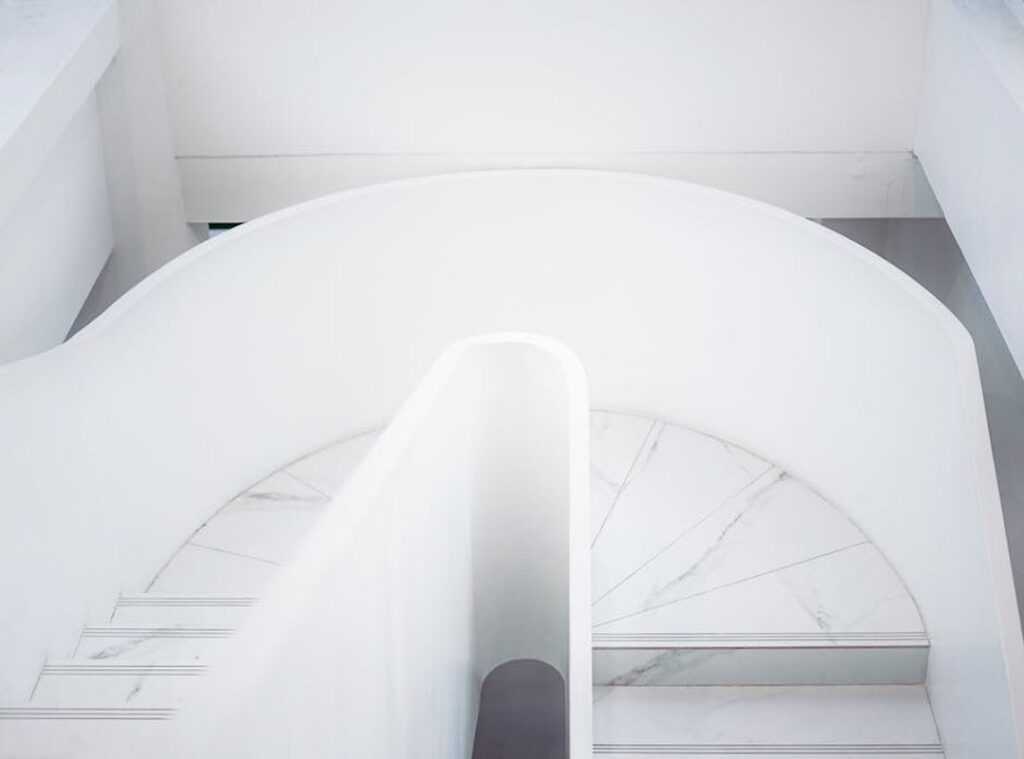
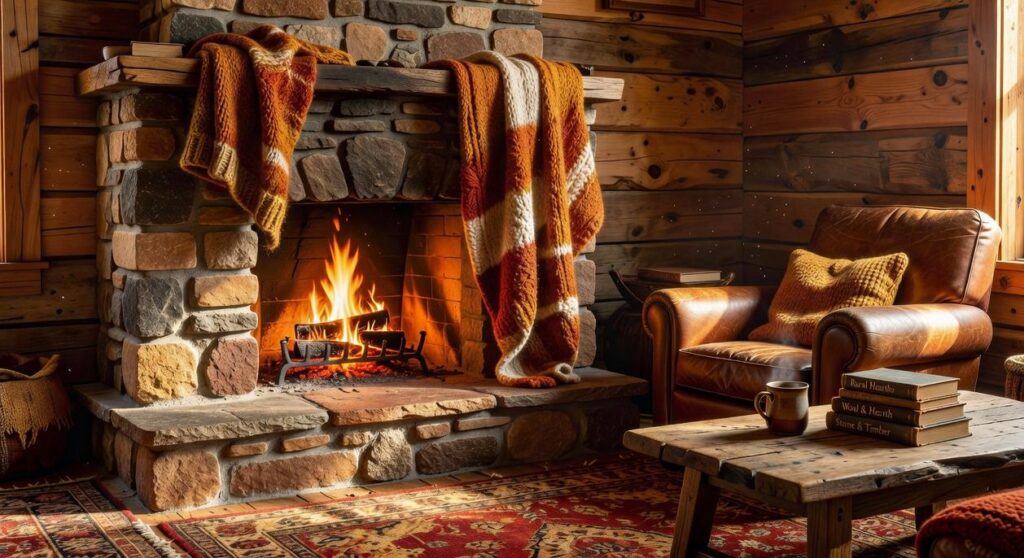
If you’re searching for ways to create a home that feels calm, inviting, and effortlessly refined, this guide to warm minimalist design will give you the clarity you need. Many homeowners love the simplicity of minimalism but struggle with spaces that feel cold or impersonal. The goal here is to show you how to balance clean lines and clutter-free layouts with warmth, texture, and personality.
In this article, you’ll discover practical styling approaches, smart layout ideas, and thoughtfully chosen decor elements that bring comfort into minimalist spaces. From color palettes and layered textiles to lighting choices and furniture selection, every recommendation is grounded in real-world interior styling principles and proven design techniques.
Our insights are shaped by hands-on experience analyzing home concepts, testing layout strategies, and breaking down what truly makes a space feel cohesive and livable. By the end, you’ll have actionable ideas to confidently transform your home into a space that feels both simple and warmly welcoming.
Why does minimal sometimes feel cold? The answer lies in misunderstanding simplicity. “Simple and clean” isn’t sterile; it’s intentional. In warm minimalist design, every piece earns its place while adding comfort. Clean lines, layered textures, and neutral palettes create clarity, but the benefits show up in how you feel: calmer, lighter, more at home.
Try:
- Soft throws in wool or linen for tactile warmth
- Ambient lighting at 2700K to mimic sunset
- Natural wood accents for organic depth
Some argue minimalism erases personality. Not true. Thoughtful edits highlight what matters (Marie Kondo would approve). Simplicity makes coziness shine.
The Foundation: Mastering Your Color Palette and Light
Choosing a “Warm Neutral” Base
Color sets the emotional temperature of a room. Cool neutrals—like stark white or blue-based grey—reflect more blue light, which can feel crisp but sometimes clinical (think modern art gallery at 9 a.m.). In contrast, warm neutrals—ivory, beige, mushroom, and warm greys—contain subtle yellow, red, or brown undertones. These undertones soften shadows and make skin tones, wood finishes, and textiles look richer.
Some argue cool tones feel cleaner and more contemporary. Fair point. But in everyday living spaces, warm neutrals create a more inviting canvas—especially in a warm minimalist design where comfort matters as much as simplicity.
The 60-30-10 Rule for Simplicity
This classic design ratio keeps rooms cohesive:
- 60% main color: walls, large rugs, sofas
- 30% secondary color: curtains, accent chairs
- 10% accent color: cushions, art, decor
It’s not about restriction—it’s about balance. When colors are proportioned intentionally, the eye relaxes (and clutter suddenly feels less chaotic).
Layering Light for Coziness
One overhead fixture casts flat, harsh light. Layered lighting adds depth and function:
- Ambient: ceiling or recessed lights
- Task: reading lamps, desk lights
- Accent: wall sconces, shelf lighting
Multiple sources create soft pools of light that feel intimate and adaptable.
Practical Tip: Choose bulbs between 2700K–3000K for a cozy glow. Anything above 4000K leans clinical (great for hospitals, less great for movie night). Pro tip: use dimmers to fine-tune mood throughout the day.
Functional Forms: Selecting Furniture That Serves Both Aesthetics
I’ve always believed the best rooms are the ones that look effortless—but secretly work very hard. That’s where the “Clean Lines, Soft Edges” principle comes in. Clean lines refer to simple, streamlined silhouettes often found in modern design. But left unchecked, they can feel cold (think corporate lobby at 8 a.m.). I prefer balancing those crisp frames with rounded corners, curved arms, or plush upholstery to soften the visual impact. The result? Structure without severity.
Some argue minimalist furniture should stay sharp and architectural. I disagree. A home isn’t a showroom—it should invite you to sit down and stay awhile.
Multi-functional pieces are key. A storage ottoman hides blankets. Nesting tables expand when guests arrive. A slim console with drawers keeps keys and mail out of sight. Clutter competes with calm, and smart furniture reduces visual noise while earning its footprint.
Material matters more than people think. Pair metal or matte-black frames with warm woods like oak or walnut. Layer in linen or cotton upholstery for texture. These natural elements soften modern shapes and create depth—essential in warm minimalist design.
Finally, layout shapes experience. Keep pathways open and intuitive, but anchor seating into intimate zones for conversation. I like to imagine how people will move, pause, and gather (yes, like blocking a movie scene).
For more on this balance, explore curated comfort designing cozy yet refined living spaces.
The Art of Texture: Adding Warmth Without Adding Clutter
Why Texture Is a Minimalist’s Best Friend
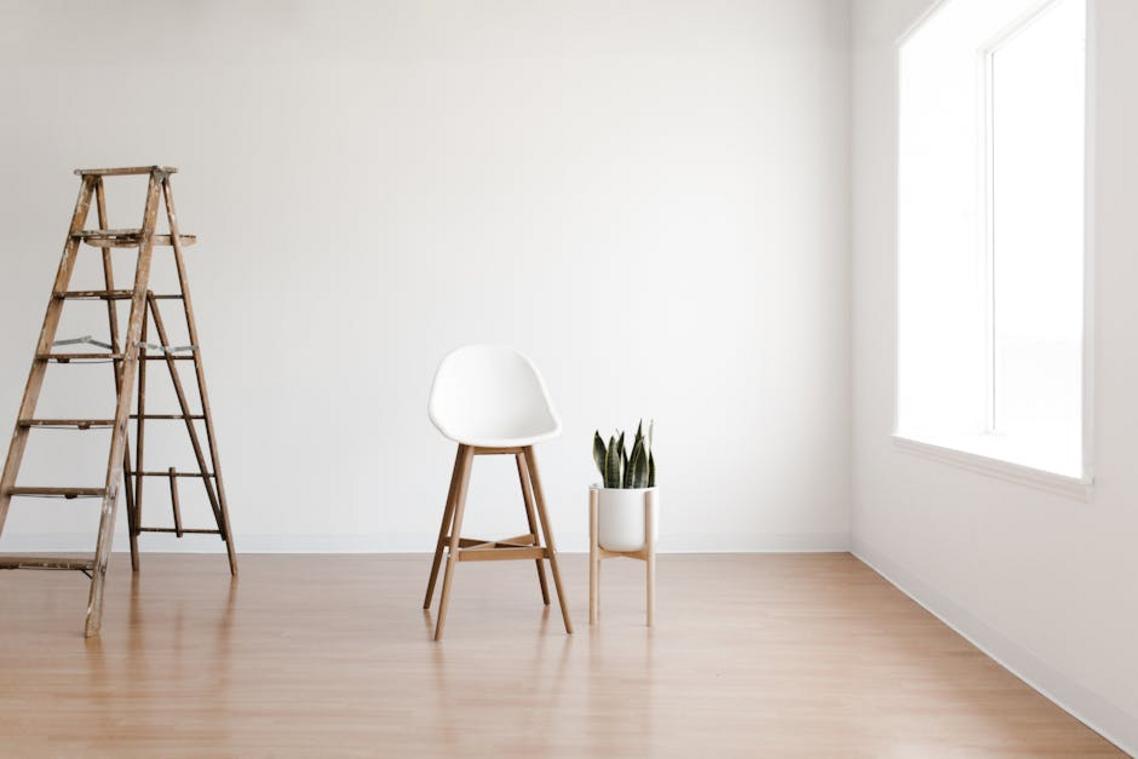
Back in 2020, when stark white interiors dominated social feeds, many homeowners realized something after a few months: their spaces felt cold. That’s when designers began leaning harder into texture. In a simple palette, texture refers to the surface quality of materials—how something feels or appears to feel. Think soft, nubby, woven, or plush. In warm minimalist design, texture replaces excess decor, adding depth without visual noise (because no one wants their living room to feel like a storage unit).
Some argue minimalism should be sleek and bare. However, without textural contrast, rooms can feel unfinished. The balance lies in layering, not adding.
A Checklist of Cozy Textures
- Chunky knit blankets
- Velvet or bouclé pillows
- Jute or wool rugs
- Linen curtains
Pro tip: After testing layouts for three weeks, many stylists found swapping smooth cotton for linen instantly softened a room.
The Rule of Three
Group textured items in odd numbers—three pillows, for example. Odd groupings feel curated rather than chaotic (it’s visual psychology at work).
Floors and Walls Matter
Meanwhile, large area rugs anchor furniture and define zones.
| Element | Impact on Space |
|---|---|
| Wool Rug | Softens acoustics, adds warmth |
| Grasscloth Wallpaper | Subtle depth without busy pattern |
Ultimately, texture creates comfort—without clutter.
Intentional Details: Decorating with Purpose
Decorating with intention means every object earns its place. Start with the “One In, One Out” rule—a simple system where adding something new requires removing something old. This prevents visual clutter and keeps your space evolving without overflowing (because somehow, decor multiplies overnight).
Instead of busy gallery walls, choose one or two larger art pieces you truly love. Bigger statement works create breathing room and anchor a warm minimalist design more effectively than scattered frames ever could.
To soften clean lines, bring nature indoors:
- A leafy plant for height and movement
- A sculptural branch in a vase
- A bowl of smooth stones for texture
Finally, consider scent. A subtle candle or diffuser adds an invisible layer of comfort—proof that good design isn’t just seen, it’s felt.
Bringing Your Simple, Cozy Vision to Life
Creating a home that feels both simple and inviting can sound contradictory. Minimalism is often mistaken for stark or cold, but that’s a misunderstanding. Minimalism, at its core, means removing excess so what remains truly matters. Coziness comes from comfort-driven details like texture and warmth.
The key to warm minimalist design is clarity:
- Warm neutrals (think soft beige, taupe, creamy whites)
- Layered textures like linen, wool, or woven fibers
- Functional furniture that serves a purpose beautifully
Start small—perhaps a textured throw or calming color shift (yes, one pillow can change a mood). Simplicity, when intentional, naturally feels welcoming.
Bring Your Vision of warm minimalist design to Life
You came here looking for clarity on how to create a space that feels calm, intentional, and beautifully simple. Now you understand how warm minimalist design blends clean lines with cozy textures, neutral palettes with depth, and simplicity with personality.
The real challenge wasn’t knowing what looks good — it was knowing how to bring it all together without your space feeling cold, empty, or overwhelming. That tension between minimal and inviting is exactly where most homes fall short.
Now it’s your move.
Start by choosing one room and simplifying it with purpose. Layer in warm tones, natural materials, and thoughtful decor that reflects you — not clutter. Keep what adds meaning. Remove what adds noise. Refine as you go.
If you’re ready to transform your home with clarity and confidence, explore our expert-backed ideas and practical styling breakdowns today. We’re trusted by design-focused homeowners who want simplicity without sacrificing warmth.
Your space should feel like peace the moment you walk in. Start creating that feeling now.
 Helen Rogersofers is a leading expert in functional home optimization and contemporary decor themes. She specializes in translating high-level design theory into practical, accessible setup strategies that maximize the potential of any floor plan. Through her insightful breakdowns and focus on material textures, Helen empowers individuals to refine their surroundings with confidence, making sophisticated design achievable for the everyday enthusiast.