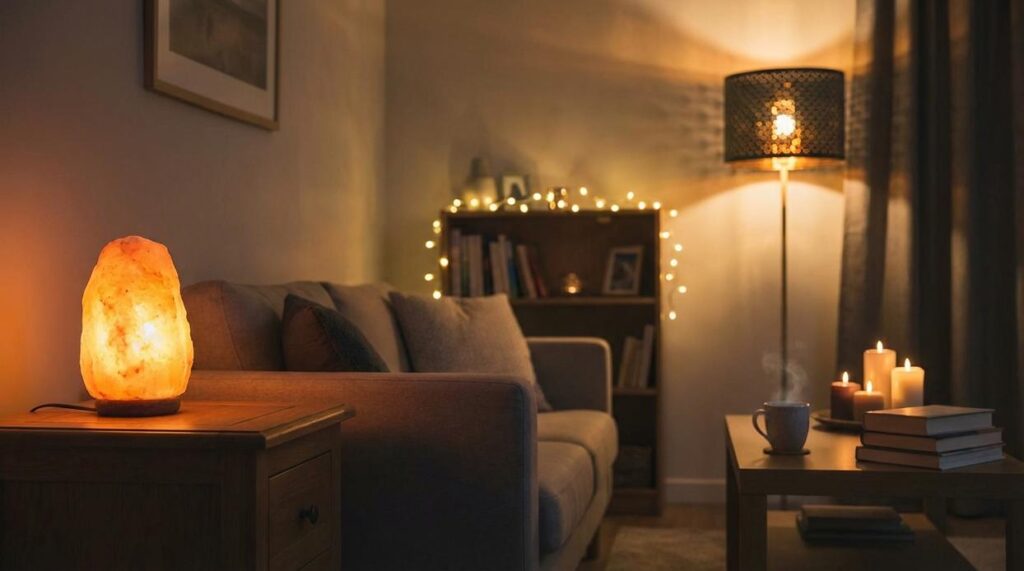
Designing a living room can feel overwhelming—an empty space filled with possibilities, yet no clear direction. If your space feels disjointed, cluttered, or impersonal, the missing piece isn’t more décor—it’s a strategy. This guide delivers a clear blueprint rooted in timeless design principles, helping you transform any room from a blank canvas into the true heart of your home. We focus on the essential elements of layout, scale, color, and texture, breaking them down into practical, easy-to-follow steps. With proven styling insights and a structured approach, you’ll gain the clarity and confidence to design a living room that feels cohesive, functional, and uniquely yours.
Principle 1: Define Function and Master the Flow
Start With Purpose, Not Pillows
Start with ‘Why’: Before choosing a single piece of furniture, define the primary functions of your living room. Is it for entertaining, family movie nights, quiet reading, or all three?
This step sounds obvious, yet it’s where most confusion begins. Function simply means what you actually do in the room. When you’re clear on that, every design decision becomes easier (and you’ll avoid buying that gorgeous chair no one sits in).
Next, create zones. A zone is a clearly defined area dedicated to one activity. For example:
- A seating cluster around the TV for movie nights
- Two armchairs and a lamp for reading
- A small table and chairs for games or conversation
Rugs help visually “anchor” each zone, making an open space feel intentional rather than chaotic.
Now, map your traffic flow—the natural pathways people take through a room. Designers recommend keeping walkways 30–36 inches wide (Houzz). This prevents that cramped, obstacle-course feeling.
Finally, establish a focal point—the main visual anchor, like a fireplace or large window. Arrange seating to face or frame it. When everything acknowledges that focal point, the room instantly feels balanced and intuitive.
Principle 2: Harness the Power of Scale and Proportion
First, get the furniture to room ratio right. A massive sectional in a tight apartment will swallow space, while a petite loveseat in a loft feels like a postage stamp. Measure your room first, then map furniture dimensions with painter’s tape before buying.
Next, embrace the “breathing room” concept. Negative space—the empty area around objects—keeps a layout from feeling cramped. Leave 14–18 inches between your coffee table and sofa, and at least 3–5 inches between the sofa and wall. (Yes, pushing everything flush isn’t always better.)
Then, vary heights. If every piece sits low, the room feels flat. Mix tall lamps, mid-height shelving, and eye-level art to guide attention upward. Think of it like a movie set—layers create drama.
Finally, decode rug sizing. In smaller spaces, follow the “front-legs-on” rule: place just the sofa’s front legs on the rug. In larger rooms, use the “all-legs-on” rule so every major piece connects. Pro tip: when in doubt, size up—too small looks accidental.
Balanced scale and proportion anchor your living room design, making traffic flow naturally and conversations comfortable rather than cramped. Adjust, step back, and refine until everything feels intentionally placed.
Principle 3: Weild Color and Light to Shape Mood
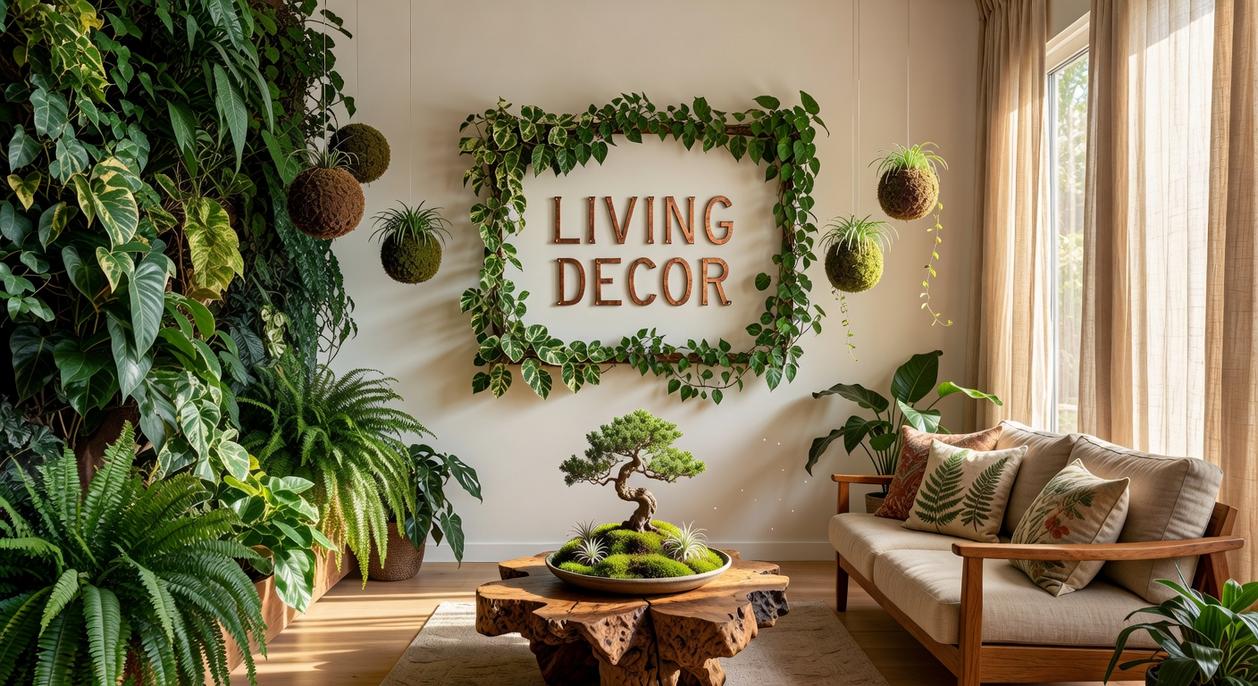
Color and light aren’t decorative extras—they’re psychological tools. Designers often start with the 60-30-10 Rule, a balanced formula used from Manhattan lofts to suburban model homes: 60% dominant color (usually walls), 30% secondary color (upholstery), and 10% accent (pillows, art, objects). It prevents the all-beige “builder-grade” look (you’ve seen it) while keeping bold choices controlled.
Some argue rules like 60-30-10 feel restrictive. Fair. But without structure, rooms often drift into visual chaos. Think of it less as a rule and more as jazz rhythm—you can improvise once you know the beat.
Understanding Light Changes Everything
Natural light shifts by region and exposure. North-facing rooms in colder climates cast bluish tones, muting warm paint colors. Southern exposure intensifies warmth. Artificial light—LED, incandescent, halogen—alters perception further (the Kelvin scale matters; 2700K is warm, 4000K is cool).
Sheen matters too: matte hides wall imperfections, eggshell reflects softly, satin bounces more light—ideal in dim spaces.
Layer lighting intentionally:
- Ambient: central chandelier or flush mount.
- Task: floor lamps beside reading chairs.
- Accent: picture lights or wall sconces to highlight architectural niches.
When balancing elements of living room design, always coordinate lighting before final paint selection. Pro tip: test swatches under both daylight and evening bulbs.
For deeper layout strategy, review how professional designers approach space planning.
Principle 4: Inject Personality with Texture and Detail
I once redesigned a friend’s apartment that looked perfect in photos—but felt like a waiting room in real life. Everything matched. Everything was sleek. And yet, no one wanted to sit down. That’s when I learned that texture, not color, is what makes a space feel alive.
Texture refers to the surface quality of materials—how something feels or visually suggests it would feel. Without varied textures, a room can seem sterile and uninviting (like a furniture showroom after closing time). By contrast, layering textures adds depth and tactile comfort.
For example, try pairing smooth leather with chunky wool, sleek metal with rough-hewn wood, or soft velvet with crisp linen. The contrast creates balance. Pro tip: if your space feels flat, add one “cozy” texture and one “raw” texture.
However, personality isn’t about piling things in. Curate, don’t clutter. Group objects in odd numbers—three or five—and vary their height and shape for compelling vignettes.
Finally, consider the finishing touches. Curtains soften light, while blinds create structure. Plants breathe life into static corners. Art should reflect your story, not just match the sofa. Thoughtful elements of living room design transform a house into somewhere you actually want to stay.
Your Living Room, Designed with Purpose
You came here looking for clarity, and now you have it. With Function, Scale, Color/Light, and Texture guiding your decisions, you’re no longer guessing—you’re designing with purpose. This framework removes the overwhelm that so often leads to mismatched furniture, awkward layouts, and spaces that look good but don’t feel right.
When you ground your creativity in these four principles, your living room becomes more than stylish—it becomes supportive of your everyday life.
Now take the first step. Reassess your space through the lens of Function and define what it truly needs to do for you. Thousands of homeowners trust our proven design insights to simplify the process—start today and create a living room that finally works as beautifully as it looks.