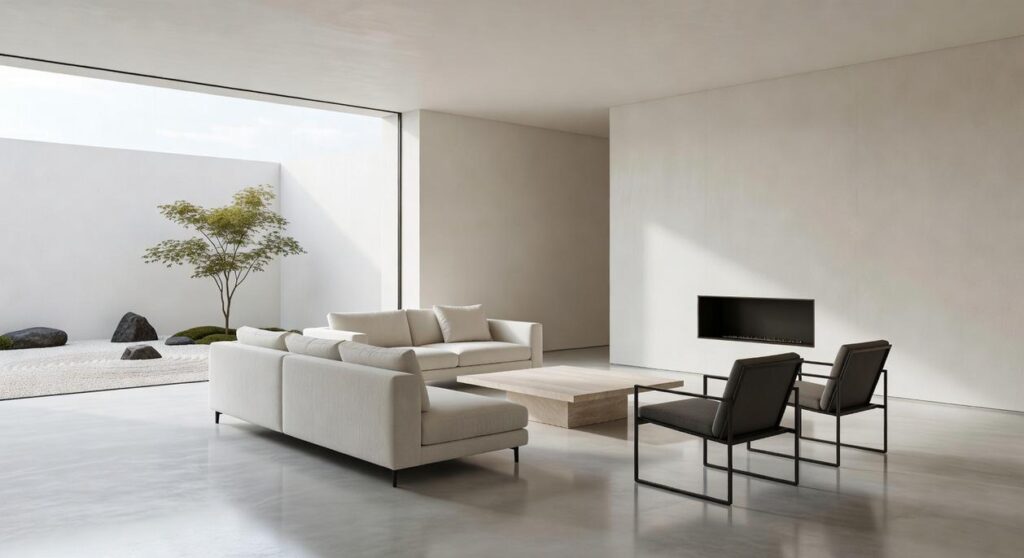
Choosing between modern vs traditional home design can feel overwhelming when you’re trying to create a space that truly feels like home. Maybe you’re drawn to clean lines and minimal palettes, or perhaps you love rich textures and timeless architectural details—but how do you decide which direction fits your lifestyle, space, and long-term vision?
This article breaks down the defining features, benefits, and challenges of each style so you can make a confident, informed decision. We’ll compare layout principles, color schemes, furniture choices, materials, and overall atmosphere to help you see which approach aligns with your personal taste and practical needs.
To ensure accuracy and real-world relevance, the insights here are informed by established interior styling principles, current design trends, and expert-backed space planning strategies. Whether you’re renovating, building from scratch, or simply refreshing a room, you’ll gain clarity on which design path makes the most sense for your home.
Choosing Your Forever Style: Classic Charm vs. Contemporary Cool
Stuck between crown molding and clean lines? You’re not alone. The debate over modern vs traditional home design feels a bit like choosing between a Nancy Meyers kitchen and a minimalist loft straight out of Architectural Digest.
Classic style favors:
- Ornate details
- Warm woods
- Symmetry
Contemporary cool leans into:
- Open spaces
- Neutral palettes
- Sleek materials
Some argue timeless always wins (hello, “old money” aesthetic). Others crave the crisp calm of today’s trends. The real win? Choosing what fits your daily life—and sparks joy every time you walk in. At last, home.
The Enduring Allure of Classic Design: Order, Ornament, and Timelessness
Classic design begins with a simple but powerful idea: order creates beauty. Rooted in ancient Greek and Roman architecture, this style emphasizes symmetry (balanced proportions on either side of a central axis), harmony, and carefully considered ornament. Think of the Parthenon’s columns or a Roman villa’s courtyard—everything aligned, everything intentional. That architectural discipline still shapes today’s interiors.
Key Elements
Materials matter. Classic spaces favor dark woods, marble, velvet, and silk—natural, high-quality materials that age gracefully. Marble fireplaces aren’t just decorative; they signal durability and permanence. Velvet drapery softens structured rooms, balancing strength with comfort. (It’s the design equivalent of a tailored suit with a silk lining.)
- Rich hardwood flooring
- Polished stone surfaces
- Intricate carved detailing
Architectural Features
Look for crown molding, wainscoting (decorative wall paneling), detailed fireplaces, and column-like structures. These features add depth and visual rhythm while increasing perceived value in a home.
Some argue modern vs traditional home design favors minimalism for practicality. Fair point—clean lines are easier to maintain. Yet classic design offers something minimalism often lacks: a sense of history and permanence. The result is formal yet inviting, elegant yet livable. For deeper inspiration, explore architectural archives like https://www.classicist.org/. Pro tip: symmetry in furniture placement instantly elevates a room.
The Clean Lines of Now: Simplicity and Fluidity in Contemporary Homes

Contemporary design is often confused with “modern,” but they’re not the same. Contemporary means of the moment—a fluid style that evolves with current tastes. Right now, that means minimalism, clean lines, and spaces free of visual clutter. Think of it as editing your home the way a filmmaker trims a scene: only what serves the story stays.
To clarify the modern vs traditional home design debate, contemporary homes lean toward what feels current rather than historically rooted. Traditional design embraces ornament and symmetry; contemporary design strips those away in favor of simplicity and function.
Key elements include:
- Neutral color palettes like whites, grays, and beiges
- Strategic pops of bold accent color (a cobalt chair, a matte-black island)
- Materials such as metal, glass, and plastic for sleek contrast
Architecturally, you’ll notice open-concept floor plans and large, unadorned windows that maximize natural light. Ornamentation is minimal. Lines are straight. Surfaces are smooth.
The overall vibe? Airy, spacious, and quietly sophisticated. Form follows function—a principle meaning design choices are guided by purpose first, decoration second. (Yes, even that sculptural lamp earns its keep.)
Pro tip: keep décor intentional. In contemporary spaces, every piece should justify its presence.
The Definitive Breakdown: Where Classic and Contemporary Diverge
If you’ve ever stood in your living room thinking, Why does this feel off?, you’re not alone. One of the biggest frustrations in interior styling is mixing elements from completely different design philosophies without realizing it. The result? A space that feels confused instead of cohesive.
Let’s break it down clearly.
Color Palette
Classic interiors lean into rich, warm tones—think burgundy, emerald, navy, and soft creams. These are often called jewel tones, meaning deeply saturated colors inspired by precious stones. Contemporary spaces, on the other hand, favor stark neutrals like black, white, and gray, sometimes energized with bold accent colors.
The pain point? People fall in love with a moody velvet sofa, then paint the walls bright white and wonder why it clashes.
Furniture Style
Classic furniture is ornate—carved wood, curved legs (also known as cabriole legs), and substantial silhouettes. Contemporary pieces prioritize clean geometry, smooth surfaces, and slim profiles often raised on thin metal or wooden legs.
• Classic feels grounded and formal.
• Contemporary feels open and airy.
Trying to pair a heavy carved armoire with a sleek glass coffee table can feel like forcing a period drama character into a sci‑fi movie (it rarely ends well).
Materials & Textiles
Classic design features dark woods, bronze finishes, silks, velvets, and intricate patterns. Contemporary interiors prefer light woods, steel, chrome, linen, cotton, and mostly solid colors.
A common annoyance? Buying trendy chrome lighting when the rest of the room is warm oak and velvet. The undertones fight each other.
Lighting
Classic spaces showcase crystal chandeliers and fabric shades. Contemporary lighting leans toward recessed fixtures, track systems, and sculptural metallic lamps.
Overall Philosophy
At its core, this is a modern vs traditional home design debate. Classic prioritizes decoration and detail. Contemporary embraces minimalism—where negative space (intentional empty areas) becomes a design feature.
Still unsure which direction works for you? Understanding open concept living benefits challenges and smart solutions can clarify how space and light influence your choice.
Pro tip: Commit fully. Half-classic, half-contemporary often looks accidental—not curated.
Creating a Hybrid Haven: How to Marry Classic and Contemporary
Blending styles sounds risky. Critics of modern vs traditional home design argue you’ll create visual chaos (like mismatched socks at a board meeting). Fair point. But the 80/20 RULE keeps things intentional: choose one dominant style (80%) as your foundation, then layer 20% accents from the other.
For example:
- A sleek, contemporary sofa against classic wainscoting.
- An ornate mirror anchoring a minimalist room.
“Dominant” simply means the primary visual language—lines, colors, textures.
Some purists insist on TOTAL consistency. Yet contrast creates focal points and depth. Pro tip: repeat one finish across both styles to unify the space.
A few years ago, I stood in my living room torn between ornate crown molding and a sleek, flat-panel media wall. I thought I had to choose sides in the modern vs traditional home design debate. However, once I understood the principles behind each style, everything shifted. The real challenge isn’t picking a label; it’s recognizing what resonates with you. For instance, do you gravitate toward classic symmetry or contemporary simplicity? Start by identifying three elements you love—perhaps arched doorways, neutral palettes, or minimalist lighting (yes, very Nancy Meyers-core). From there, build a space that feels unmistakably yours.
Designing a Home That Truly Reflects You
You came here looking for clarity on modern vs traditional home design, and now you have a clearer vision of how each style shapes the feel, function, and personality of a space. Whether you’re drawn to clean lines and minimal palettes or rich textures and timeless architectural details, the right choice comes down to how you want your home to make you feel every single day.
The real challenge isn’t choosing what looks good in photos. It’s creating a space that feels cohesive, comfortable, and aligned with your lifestyle. When design decisions feel overwhelming, it’s easy to stall, second-guess yourself, or end up with a mix that doesn’t quite work.
Now is the time to act. Start by defining which elements resonate with you most, then build a clear plan around layout, color, furniture, and décor. If you want expert guidance that simplifies the process and helps you avoid costly mistakes, explore our proven home concept insights and practical setup strategies. We’re trusted by design enthusiasts for breaking down complex styling decisions into clear, actionable steps.
Your home should feel intentional, not accidental. Take the next step today and turn your vision into a space that finally feels complete.