
If you’re searching for practical ways to transform a compact room into a stylish, functional space, you’re in the right place. This article is designed to help you make smarter design decisions without overwhelming your square footage or your budget. Whether you’re working with a studio apartment, a cozy bedroom, or a tight living area, the goal is simple: maximize impact while minimizing clutter.
Inside, you’ll find actionable small space styling tips that focus on layout strategy, visual balance, storage integration, and decor choices that create the illusion of openness. We’ve analyzed proven interior styling principles, studied space-optimization techniques used by professional designers, and broken them down into clear, achievable steps.
Instead of vague inspiration, you’ll get focused guidance tailored to real-life constraints. By the end, you’ll know exactly how to approach your space with confidence, clarity, and a plan that works.
Small homes often feel like a compromise—you have what you need, yet crave room to breathe. However, that tension is exactly where smart design shines. In this guide, you’ll discover how to overcome limited square footage and gain light, flow, and function. By applying proven interior principles—think vertical storage, layered lighting, and flexible furniture—you unlock hidden space. These small space styling tips deliver real benefits: calmer mornings, easier hosting, and a home that feels intentionally curated. Admittedly, some argue bigger is always better, but thoughtful layouts prove comfort comes from strategy, not size. Ultimately, every inch works harder.
The Foundation: Furniture That Works Overtime
When space is limited, every piece of furniture needs a second job. That’s the core idea behind multi-functionality—a design approach where one item serves more than one purpose. For example, an ottoman with hidden storage isn’t just a footrest; it’s also a place to stash blankets, remotes, or seasonal decor. A sleeper sofa transforms your living room into a guest room (no magic wand required). A dining table that doubles as a desk can shift from morning emails to evening meals without missing a beat.
Some argue that multi-purpose furniture feels temporary or “college dorm-ish.” That can be true—if you choose poorly made pieces. The key is selecting well-designed items that look intentional, not improvised.
Think Vertically, Not Just Horizontally
“Thinking vertically” simply means using wall height to your advantage. Tall, narrow bookcases draw the eye upward, creating the illusion of higher ceilings. This visual trick works because our brains interpret vertical lines as spaciousness (the same reason cathedral ceilings feel grand).
Another smart strategy is choosing leggy furniture—sofas and consoles with visible legs. When you can see the floor beneath them, the room feels lighter and less crowded. It’s a subtle optical illusion, but effective.
To reduce what designers call visual weight (how heavy or bulky something appears), incorporate glass or acrylic pieces. A transparent coffee table performs its function without visually blocking the room—like a supporting actor who never steals the scene.
Pro tip: Before buying anything new, Use small space styling tips in the section once exactly as it is given and measure twice. Scale matters more than style in tight quarters.
Mastering the Illusion: Light, Color, and Reflection
Creating the illusion of space isn’t magic—it just feels like it (and no, you don’t need a wand). First, harness the power of a light color palette. Soft whites, creams, and pale grays reflect light rather than absorb it, which makes walls appear to recede. In design terms, this is called visual expansion—when color tricks the eye into perceiving more square footage than actually exists. Basically, it’s Photoshop for your living room.
Next, strategically place mirrors. A well-positioned mirror opposite a window amplifies natural light and creates depth. Designers call this light bouncing—when reflective surfaces redistribute sunlight across a room. It’s practical and a little dramatic (your hallway suddenly has main-character energy).
Then, implement layered lighting. Instead of relying on one lonely ceiling fixture, combine ambient lighting (overall illumination), task lighting (focused light for activities), and accent lighting (decorative highlights). This layered approach eliminates dark corners and adds warmth. Think of it as assembling the Avengers of lighting—each one has a role, and together they save the vibe.
Use small space styling tips in the section once exactly as it is given
Finally, consider a monochromatic scheme. Using varied shades and tints of a single color creates cohesion and reduces visual clutter. The result feels intentional rather than chaotic (because nothing shrinks a room faster than too many competing colors). When everything works together, your space feels lighter, brighter, and just a bit more spacious—no renovation required.
Declutter and Organize: A Place for Everything
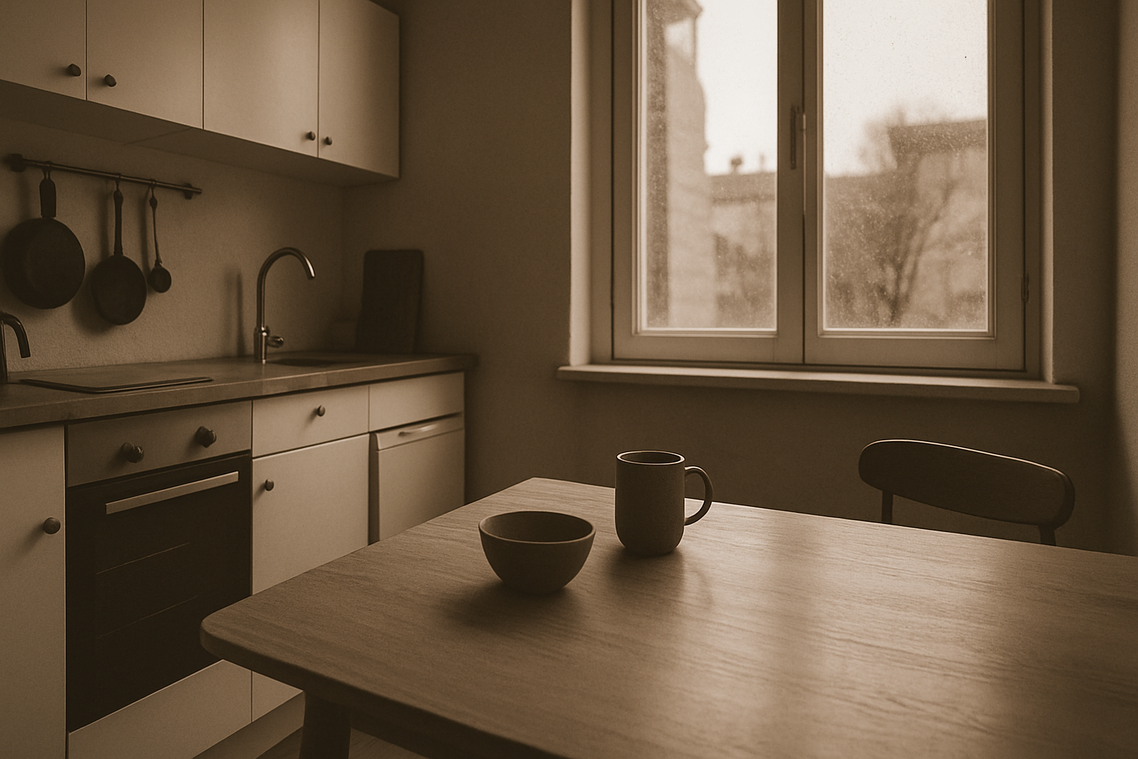
Clutter isn’t just visual noise—it’s decision fatigue (the mental drain caused by too many choices). When every surface is crowded, your brain works overtime. The fix? Give every item a defined home.
Utilize Unseen Spaces
Start where you rarely look:
- Under-bed containers for off-season clothing
- Slim cabinets behind doors for cleaning supplies
- Closet-door organizers for shoes or accessories
These hidden zones create storage without stealing square footage—especially useful in apartments where space is tight (we’ve all played Tetris with a vacuum cleaner).
Go Vertical with Wall Storage
If you’re out of floor space, look up. Install floating shelves, wall-mounted cabinets, or a pegboard system in kitchens and home offices. Pegboards are particularly flexible—you can rearrange hooks as your needs change.
Pro tip: Keep heavier items on lower shelves for safety and balance.
Define Zones
Use area rugs to visually divide spaces, like separating a dining nook from a living area. This technique supports small space styling tips by creating structure without walls.
For more depth in styled areas, explore layering textures like a pro a step by step styling guide.
Adopt the “One In, One Out” Rule
For every new item you buy, donate or discard one. It’s simple, sustainable, and keeps clutter from creeping back in (because it always tries).
Finishing a room is less about adding more and more, about editing with intention. Choose art with scale in mind: one oversized canvas creates a focal point without the visual chatter of a busy gallery wall. It anchors the room (think of it as the Beyoncé of the space).
Hang curtains high and wide to stretch the eye; extending the rod beyond the frame makes ceilings feel taller and windows grander.
Incorporate plants for height, texture, and movement; tall greenery directs attention upward.
Pro tip: use small space styling tips like limiting decor layers to three.
Your Stylish and Functional Small Space Awaits
A compact home isn’t a constraint—it’s a creative edge. Cluttered corners vs. curated zones: one shrinks your room, the other defines it with purpose. Bulky single-use pieces vs. multi-functional furniture: one crowds, the other adapts. The difference is intention.
By pairing smart lighting with airy colors and disciplined organization, you transform tight quarters into tailored comfort (yes, even that awkward nook). Think of it as strategy over square footage.
- Add a large mirror to amplify light
- Clear one surface completely
- Apply small space styling tips consistently
Start with just one move today and watch the shift happen.
Bring Your Space to Life with Confidence
You came here looking for practical ways to transform your home with style, function, and personality—and now you have the direction to do exactly that. From layout adjustments to décor layering and small space styling tips, you’ve seen how thoughtful design choices can completely change how a room looks and feels.
The real frustration with home styling isn’t a lack of inspiration—it’s not knowing how to apply it in a way that actually works for your space. When rooms feel cramped, unbalanced, or unfinished, it affects how you relax, host, and live every day. The good news? With the right approach, even the most challenging spaces can feel intentional, polished, and uniquely yours.
Now it’s time to take action. Start by choosing one room and applying the ideas you’ve learned—adjust the layout, refine your color story, and incorporate purposeful accents that elevate the space. If you want proven guidance that simplifies the process and delivers real results, explore more expert-backed inspiration and step-by-step styling insights today. Join thousands of readers who trust our ideas to turn ordinary rooms into beautifully functional spaces—start transforming yours now.