
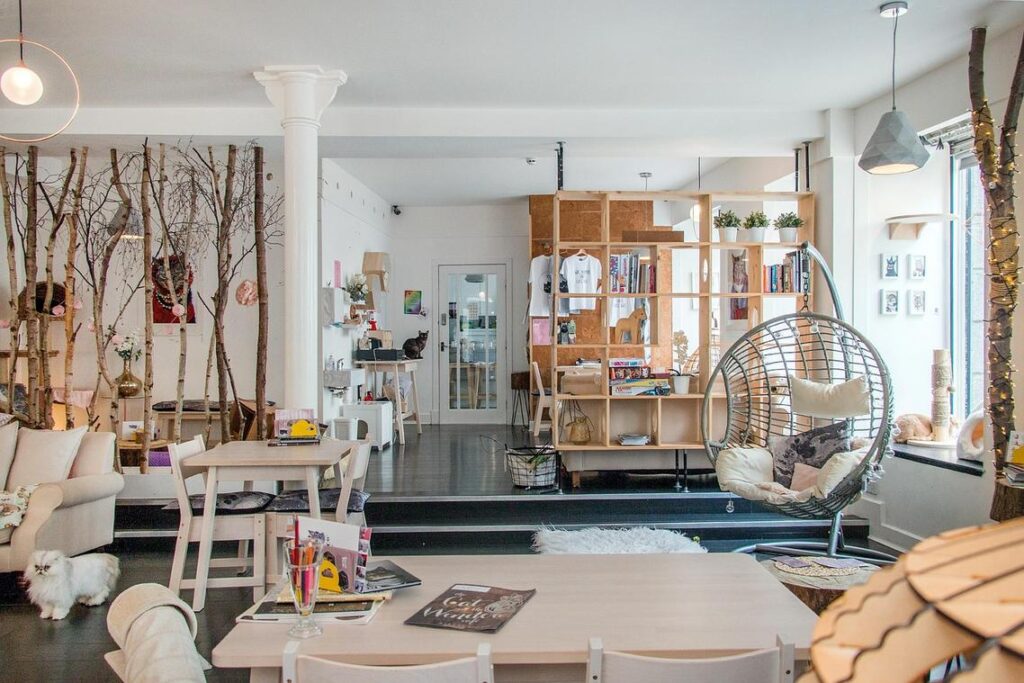
If you’re searching for fresh home concepts that feel both stylish and livable, you’re in the right place. Creating cozy refined living spaces isn’t about chasing trends—it’s about understanding how layout, texture, color, and lighting work together to shape the way a home looks and feels. This article breaks down practical interior styling approaches, Thom-focused decor themes, and smart setup techniques that turn everyday rooms into thoughtfully curated environments.
We’ve analyzed leading design principles, real-world styling challenges, and proven layout strategies to ensure every recommendation is both inspiring and actionable. Whether you’re refreshing a single room or reimagining your entire home, you’ll find clear guidance rooted in expert-backed insights and functional design logic.
Expect approachable ideas, detailed breakdowns, and practical tips you can apply immediately—so your space doesn’t just look beautiful, but truly feels intentional, balanced, and effortlessly inviting.
Many homeowners feel forced to choose between a picture-perfect show-home and a space you can sink into. Style vs. comfort. Instagram vs. Sunday naps. Yet that tension is a false choice.
On one side, styled rooms look stunning but feel untouchable. On the other, practical spaces invite relaxation yet lack harmony. The solution? Blend both using proven principles like proportion, layered lighting, and materials that support well-being.
Instead, think cozy refined living spaces where aesthetics serve comfort, not compete with it (because no one relaxes on a velvet pedestal). This roadmap shows you how to design beauty you can live in.
The Foundation: Core Principles of a Relaxing Atmosphere
Creating a calming home starts with understanding a few core principles—and applying them with intention.
1. Color Psychology for Calm
First, consider your palette. Color psychology (the study of how colors affect mood and behavior) shows that warm neutrals like taupe, cream, and soft beige promote relaxation, while muted earth tones such as sage or clay feel grounding. Deep blues and forest greens can lower visual “noise,” making a room feel serene. If you’ve ever noticed how spas lean heavily on these shades, that’s no accident. When in doubt, test paint swatches in natural light before committing.
2. The Power of Texture
Next, layer materials. Combining velvet cushions, wool throws, or linen curtains with wood tables or stone accents creates depth and tactile comfort. Texture prevents a neutral room from feeling flat (think less waiting room, more retreat). This layering technique is essential in cozy refined living spaces because it engages both sight and touch.
3. Mastering Layered Lighting
Finally, use three lighting layers: ambient (overall glow), task (focused light for reading), and accent (highlighting art or shelves). Swap harsh overheads for dimmers, floor lamps, and table lamps to create warmth and flexibility throughout the day.
The Living Room: Engineering the Perfect Social & Solo Lounge
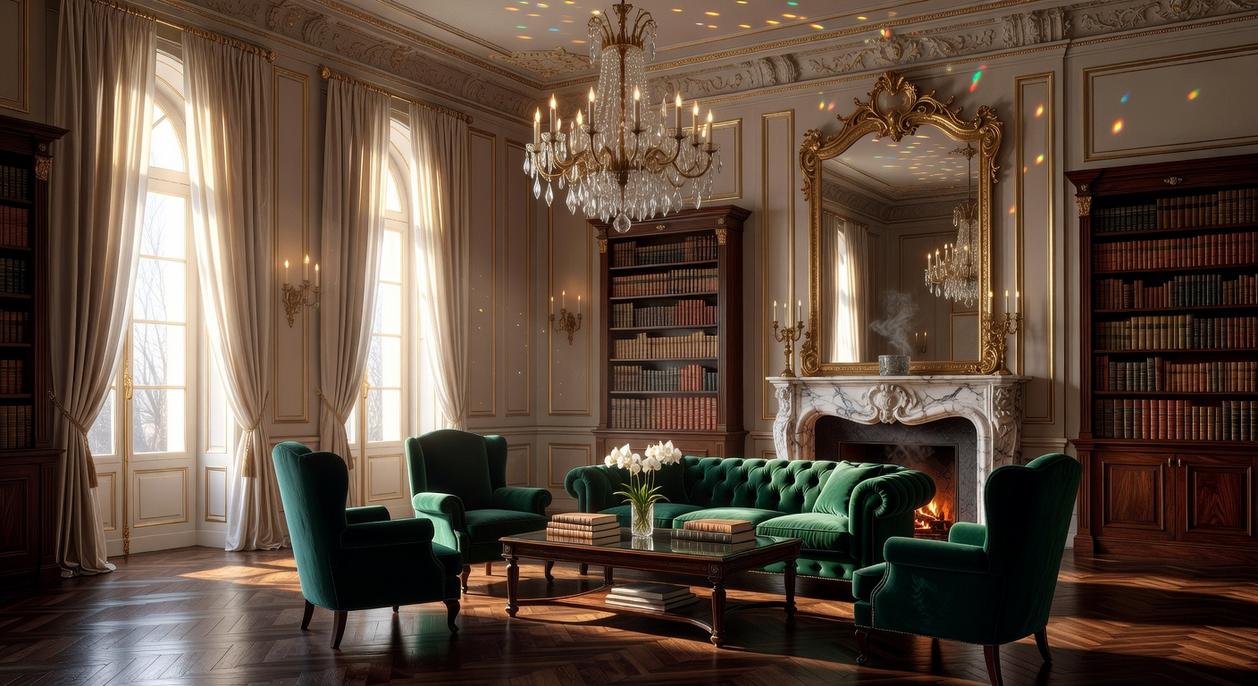
A living room isn’t just a place to sit. It’s a multifunctional space—meaning it serves more than one purpose, from hosting friends to unwinding alone. Let’s break down how to design it with clarity and intention.
The Anchor Piece – The Sofa
First and foremost, the sofa is your anchor piece (the main furniture item that visually and functionally grounds the room). Some argue style should come first. After all, a sculptural sofa can look like it belongs in a design magazine. However, if it’s uncomfortable, it fails its primary job.
Seat depth—how far back the seat extends—matters more than most people realize. Deeper seats invite lounging; shallower ones support upright conversation. Cushion material also plays a role. High-density foam offers structure, while down-blend cushions feel softer but require fluffing. As for upholstery, choose durable, soft-touch fabrics like performance linen or tightly woven blends (especially if pets or spills are part of your reality).
Functional Layouts for Flow and Connection
Now, let’s clarify “flow.” Flow refers to how easily people move through a space without obstacles. Arrange seating to face each other to encourage conversation. At the same time, create subtle zones—perhaps a reading chair by a lamp or a media-focused setup near the TV. This balance keeps the room dynamic yet cohesive, ideal for cozy refined living spaces.
Essential Comfort Accessories
Finally, texture completes the story. A plush area rug absorbs sound and adds warmth underfoot. Oversized throw pillows and soft blankets soften sharp lines. In short, these elements turn a furnished room into an inviting retreat.
The Bedroom: Designing Your Ultimate Restorative Retreat
I used to think my bedroom was “fine”—until a week of terrible sleep forced a reset. That experience taught me one thing: the bed is the sanctuary.
The Bed as a Sanctuary
High-quality, natural-fiber bedding isn’t indulgent; it’s foundational. Linen (a breathable fabric made from flax) regulates temperature beautifully. Organic cotton reduces exposure to chemical residues. Bamboo viscose feels silky and wicks moisture. According to the Sleep Foundation, breathable materials help maintain optimal sleep temperature, improving rest quality (SleepFoundation.org). Some argue luxury bedding is overpriced. Fair—but if you spend roughly a third of your life in bed, isn’t comfort a smart investment? (Pro tip: prioritize sheets first; upgrade duvets later.)
Strategic Clutter Control
Clutter competes for your attention—even subconsciously. I noticed clearer surfaces meant a quieter mind. Woven baskets, decorative boxes, and minimalist nightstands transform storage into design.
| Storage Solution | Why It Works | Style Impact |
|---|---|---|
| Woven baskets | Softens hard edges |
Warm, organic texture |
| Decorative boxes | Hides small items | Polished look |
| Slim nightstands | Limits accumulation | Airy feel |
Creating a Tech-Free Zone
Blue light suppresses melatonin, the hormone that regulates sleep (Harvard Health Publishing). A central charging station outside the bedroom helps. Swap screens for warm-toned reading lamps. Yes, it’s inconvenient at first (I missed scrolling), but sleep improved within days.
Sensory Soothing
Blackout curtains block disruptive light. A white noise machine masks ambient sounds. Lavender or chamomile in a diffuser may promote relaxation (National Institutes of Health notes preliminary supportive findings).
This is how cozy refined living spaces begin—and how bedrooms become true retreats.
For more inspiration, explore earthy modern decor blending natural tones with contemporary design.
Finishing touches transform a house into a feeling.
First, curate a scent-scape: a signature aroma from candles, diffusers, or fresh flowers lingers, greeting guests like the opening notes of their favorite song. Think of how a scene in a Nancy Meyers film feels instantly warm.
Next, bring nature indoors. Studies show houseplants reduce stress and improve air quality, while low-maintenance options like snake plants or pothos thrive with minimal fuss.
Meanwhile, consider the sound of home: a calming playlist, a quality speaker, or softer surroundings that hush street noise. Together, these details elevate cozy refined living spaces into true sanctuary.
Last year, I realized my living room looked like a magazine spread but felt like a waiting room. I had chosen sleek chairs over soft ones, neutral paint over warmth. The truth is, a home that feels as good as it looks comes from intentional balance, not compromise. You do not have to pick between sterile style and comfortable clutter. Think holistically about color, texture, lighting, and personal touches to create cozy refined living spaces.
Start small:
• swap harsh bulbs for warm light
• add one textured throw
One thoughtful change can shift everything. Comfort and beauty can coexist.
Bringing Your Vision of Cozy Refined Living Spaces to Life
You came here looking for clarity, direction, and practical ideas to create cozy refined living spaces that feel intentional instead of overwhelming. Now you have the styling principles, layout strategies, and decor insights to move forward with confidence.
The truth is, most homes feel unfinished not because of budget—but because of uncertainty. Too many options. Too many trends. Not enough clear guidance. When every piece has purpose and every detail supports comfort and elegance, your space transforms from simply decorated to deeply lived-in and refined.
The recommendation is simple: start small, stay consistent with your chosen theme, and refine one area at a time. Layer texture thoughtfully. Edit ruthlessly. Prioritize warmth, balance, and functionality in every decision.
If you’re ready to stop second-guessing your design choices and finally create a home that feels cohesive, elevated, and inviting, take the next step now. Explore more expert-backed styling insights and practical setup guides trusted by thousands of design-focused readers. Don’t let your space stay “almost there.” Start refining it today.
 Virginia Warreneztira is a visionary designer and consultant known for her ability to synthesize complex aesthetic concepts into cohesive, livable environments. With an eye for bespoke interior styling and structural harmony, she focuses on creating spaces that balance architectural integrity with modern warmth. Her work often emphasizes the intersection of durability and elegance, providing homeowners with tailored frameworks that evolve alongside their personal lifestyles.